4,000-Year-Old Arrow Wound Reveals Violent Conflict Among Early Shepherds
Introduction
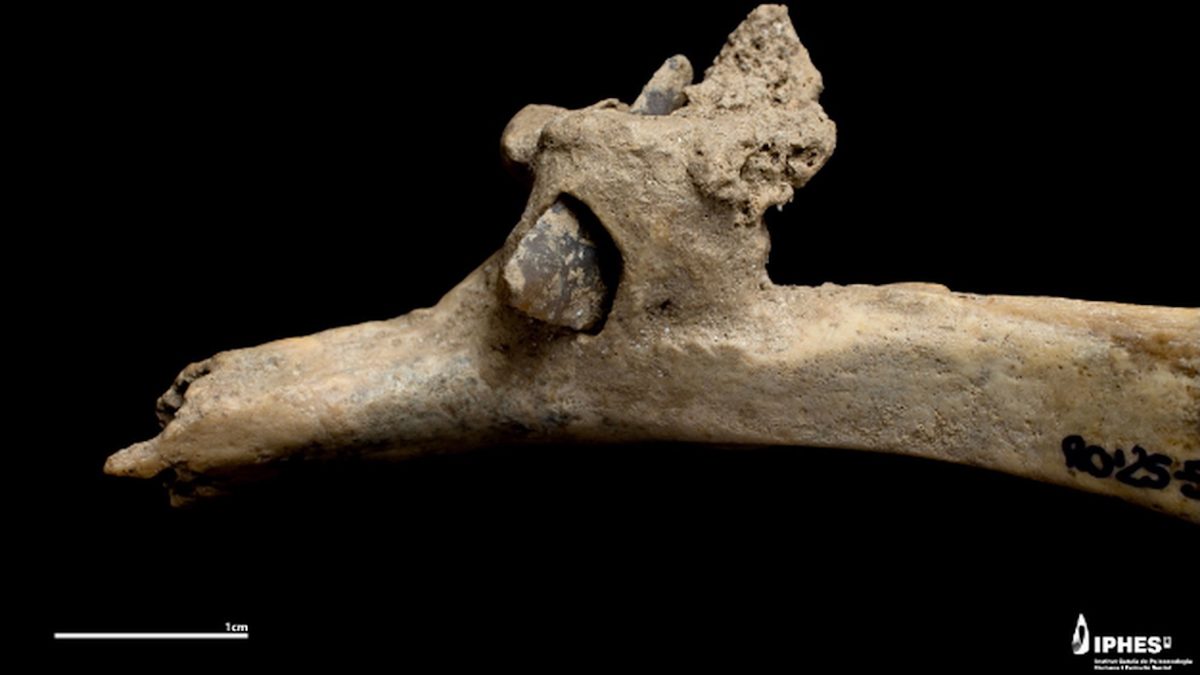
In the rugged Pyrenees Mountains, a remarkable forensic discovery has shed light on social dynamics and conflict among early pastoral communities dating back 4,000 years. Archaeologists from the Catalan Institute of Human Paleoecology and Social Evolution (IPHES-CERCA) and the Universitat Autònoma de Barcelona have unearthed a flint arrowhead lodged in the rib of a prehistoric shepherd. This finding not only reveals evidence of interpersonal violence but also indicates that the victim likely survived the initial injury, offering rare insights into the lives of the region’s earliest herders.
Key Details
- Location: Roc de les Orenetes cave, approximately 79 miles north of Barcelona, at an altitude exceeding 5,900 feet.
- Archaeological context: Over 6,000 bone fragments from 60+ individuals, mostly adult men, spanning two to three centuries.
- Type of injury: Flint arrowhead embedded in a rib bone, entering from the back.
- Evidence of healing: Bone regeneration around the arrowhead suggests survival after the attack.
- Other trauma: Signs of cut marks from axes and daggers and intentional fractures found throughout the assemblage.
- Research team: Led by Carlos Tornero and Miguel Ángel Moreno.
Background
Discovered in the late 1960s, the Roc de les Orenetes site has been the subject of extensive excavation for over six years, revealing an unparalleled trove of skeletal remains from prehistoric shepherds who inhabited the high-altitude regions of Catalonia. Previous studies have highlighted the robust physical condition of this community, consistent with a demanding pastoralist lifestyle involving strenuous activity and resource cultivation in challenging mountainous terrain.
The cave served as a burial site for local herders over multiple generations, indicating a sustained, organized community with specific mortuary customs. The presence of weapon-related traumas—cut marks, fractures, and embedded arrowheads—raises complex questions about the social relationships within this group, including whether violence was ritualistic, accidental, or the result of genuine conflict.
Impact Analysis
The discovery of a flint arrowhead embedded directly in a rib bone is a rare and graphic example of prehistoric interpersonal violence. According to excavation director Carlos Tornero, the trajectory of the arrow suggests it was shot from behind, a detail that implies possible ambush or betrayal. Despite the severity of the injury, the surrounding bone tissue shows signs of healing, indicating the individual survived the initial wound. This challenges assumptions that such injuries were instantly fatal in prehistoric contexts.
“Considering the position and trajectory of the arrow, it could have killed the person at two moments: either at the moment of impact, due to bleeding or lung damage (for example, a pneumothorax), or shortly afterward, due to infection,” said Tornero.
Further analysis is expected to clarify whether the victim ultimately succumbed to complications or other causes. The healing evidence points to a period of survival post-injury, which may suggest rudimentary medical knowledge or community care among these early pastoralists. The presence of other trauma patterns—cuts and fractures—provides a broader context of frequent physical confrontations, whether from inter-personal disputes or external threats.
Broader Context
This case contributes to a growing body of research illustrating the complex social fabric of early pastoral societies in southern Europe during the third millennium BCE. While these groups relied on cooperative practices for herding and resource management, the evidence of violence reminds us that prehistoric communities were not immune to conflict. The mountain environment, with its limited resources and harsh conditions, may have exacerbated tensions.
Moreover, the burial practices—interring weapons alongside the deceased—highlight symbolic or ritualistic elements tied to identity, status, or memory. Understanding these interactions is critical for reconstructing early social organization and conflict resolution mechanisms among pre-agrarian societies transitioning toward more sedentary lifestyles.
Future Outlook
Ongoing research by the IPHES-CERCA team aims to deepen understanding of the circumstances surrounding this injury. Advanced forensic techniques will analyze the force of impact, weapon type, and positioning of both attacker and victim. These insights could reveal social hierarchies, violence triggers, or even the presence of warfare among early shepherd communities.
Additionally, integrating archaeological findings with environmental and ethnographic data will provide a fuller picture of how prehistoric mountain herders lived, worked, and interacted. Such studies may illuminate survival strategies and social bonds that developed in the face of environmental challenges and internal strife.
Conclusion
The discovery of a 4,000-year-old arrow wound embedded in a shepherd’s rib bone at Roc de les Orenetes offers a vivid glimpse into the realities of prehistoric life in the Pyrenees. Far from idyllic, these early pastoralist communities experienced conflict and violence, yet also showed resilience and survival potential. As further analyses unfold, this finding promises to enrich our understanding of human social evolution, highlighting the interplay between cooperation and conflict in ancient societies.