Optimism in Oil Markets Amid Tight Diesel Supply and Trade Talks
Optimism in Oil Markets Amid Tight Diesel Supply and Trade Talks
Introduction
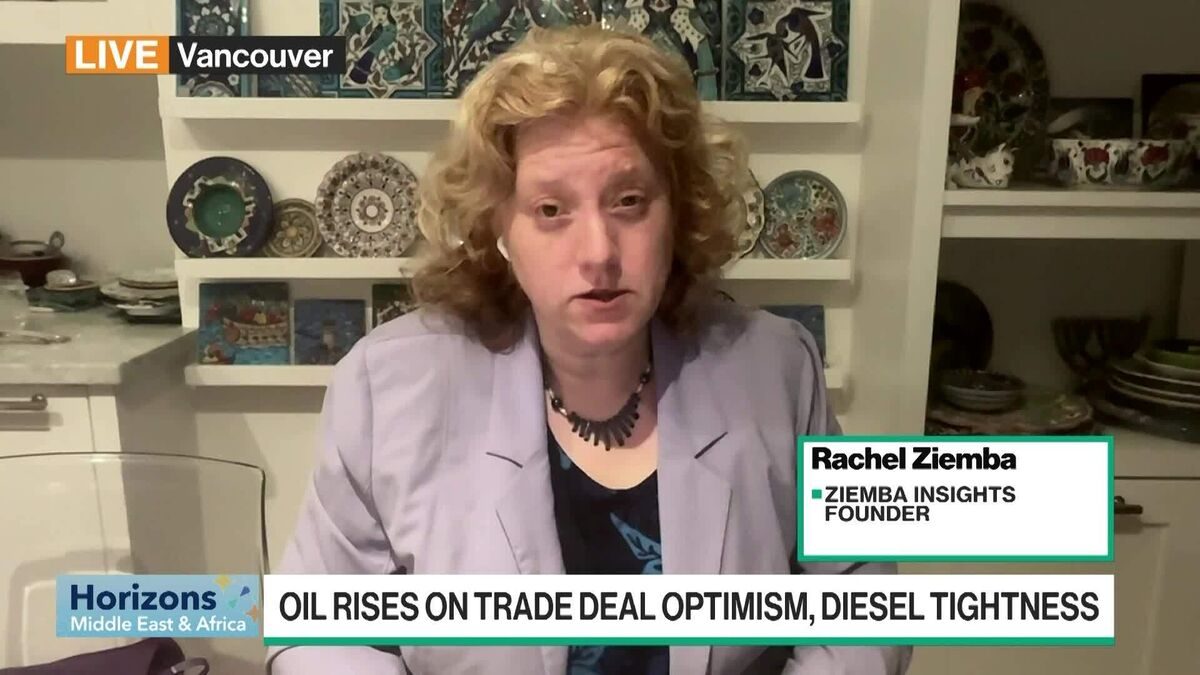
The oil markets have recently displayed notable resilience, with prices experiencing an upswing for the second consecutive day. This rise is being attributed to two main factors: optimism surrounding ongoing trade negotiations in the United States and a tightening supply of diesel fuel globally. Rachel Ziemba, founder of Ziemba Insights, shared her insights with Bloomberg, highlighting the intricate dynamics at play in the oil sector as the global market braces for the implementation of new tariffs.
Key Details
- Oil prices increased due to positive sentiment around US trade negotiations.
- Tightness in diesel markets is contributing to overall market optimism.
- Global tariffs are set to take effect soon, influencing trading behaviors.
- Rachel Ziemba emphasizes the interconnectedness of oil markets and geopolitical factors.
Background
As the global economy becomes increasingly intertwined, the movements in the oil markets often reflect broader geopolitical trends. In recent weeks, discussions surrounding US trade policies have taken center stage, with impending deadlines prompting urgent negotiations. Investors and analysts are closely monitoring these developments, as the outcome could have significant implications for oil demand and prices.
Meanwhile, the diesel market has been facing supply constraints, leading to heightened prices and market volatility. Diesel fuel is a critical component of the global supply chain, as it powers transportation and various industrial activities. With demand for diesel remaining strong, any disruption in supply can lead to pronounced price increases, further impacting the oil markets.
Analysis
Ziemba's remarks shed light on the complexities of the oil market, particularly in the context of international trade and supply dynamics. The optimism surrounding US trade talks is particularly significant, as successful negotiations could alleviate some of the uncertainties that have plagued the market. Traders are hopeful that a resolution will stabilize relationships between the US and major trading partners, potentially leading to increased demand for oil.
Moreover, the tightening of the diesel supply is a critical factor that cannot be overlooked. As many countries transition towards cleaner energy sources, the demand for diesel has remained robust, especially in sectors that are slower to adopt alternative fuels. This persistent demand, coupled with supply chain disruptions, creates a scenario where diesel prices may continue to rise, thereby exerting upward pressure on crude oil prices.
Ziemba articulates that these market trends do not exist in isolation; rather, they are influenced by a host of factors including geopolitical tensions, economic policies, and environmental regulations. The interconnected nature of these elements necessitates a cautious approach for investors, who must navigate the complexities of the global oil landscape.
Conclusion
As oil markets continue to react to developments in trade negotiations and supply constraints in diesel, it is imperative for stakeholders to remain vigilant. The potential for increased tariffs adds another layer of uncertainty, but the current optimism may provide a temporary uplift in prices. In the coming weeks, as key deadlines approach and market dynamics evolve, the oil industry will need to adapt to the shifting landscape, ensuring that they are prepared for any potential disruptions that may arise.