Major Airlines Waive Change Fees Amidst Potent Nor'easter Disrupting Northeast Travel
Introduction
A significant nor'easter storm is currently impacting the Northeastern United States, leading to widespread travel disruptions and power outages. In response to the severe weather conditions, major U.S. airlines have proactively waived change fees for passengers with flights scheduled to, from, or through the affected region. This measure aims to provide flexibility and reduce stress for travelers facing potential cancellations and delays due to the storm.
Key Details
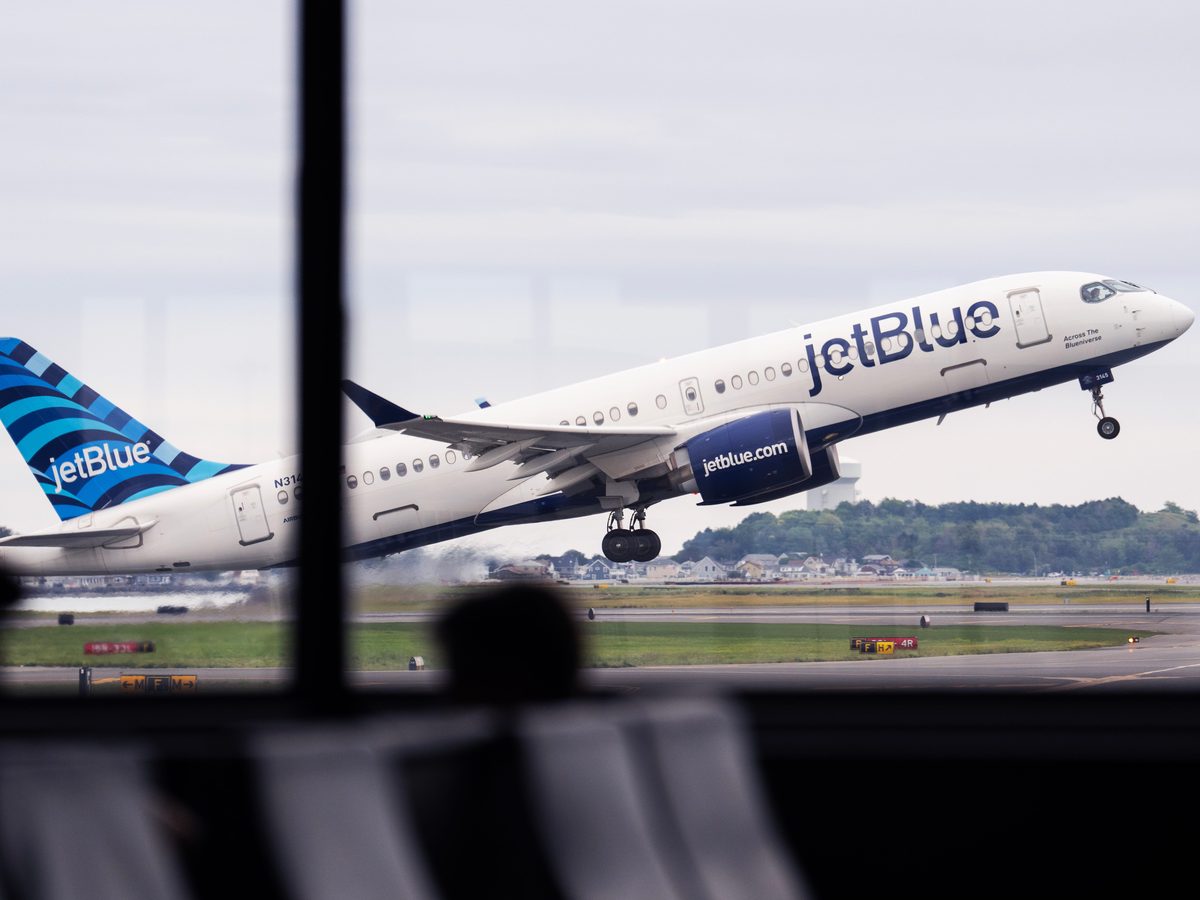
- Airlines Offering Fee Waivers: American Airlines, Delta Air Lines, JetBlue Airways, and United Airlines.
- Affected Airports: Numerous airports across the Northeast, including major hubs like LaGuardia Airport (LGA) in New York and Logan Airport (BOS) in Boston. Travel advisories extend from Virginia to Maine.
- Rebooking Flexibility: Passengers can rebook flights for new dates up to September 29 or 30, depending on the specific airline's policy.
- Impact of the Storm: As of Saturday afternoon, over 87,000 customers in the region had lost power, with nearly 35,000 outages reported in New York alone. Boston Logan International Airport had seen over 260 flight cancellations by Saturday afternoon.
- State of Emergency: New York Governor Kathy Hochul declared a state of emergency for parts of the state on Friday in anticipation of the severe weather.
Background
Nor'easters are powerful winter storms that form along the East Coast of North America, characterized by strong northeasterly winds and heavy precipitation, often including snow, sleet, and rain. These storms can cause significant disruption, particularly during peak travel seasons. The current nor'easter is a potent system, bringing heavy rainfall and strong winds to a densely populated region. The declaration of a state of emergency by New York's governor underscores the severity of the anticipated impact, highlighting the potential for widespread damage and disruption to essential services.
“The rain is underway, and while it's only a half an inch or so thus far, mark my words: Much more is coming,” stated Governor Kathy Hochul at a press briefing on Saturday morning, emphasizing the escalating nature of the storm.
Impact Analysis
The decision by major airlines to waive change fees is a crucial step in mitigating the impact on travelers. For passengers whose travel plans are disrupted, this policy eliminates the financial penalty associated with rebooking, offering a much-needed reprieve during a stressful situation. The widespread power outages, affecting tens of thousands of households, also pose a significant challenge, potentially impacting communication, transportation infrastructure, and personal safety. The high number of flight cancellations at major airports like Boston Logan indicates the storm's intensity and its direct effect on air travel operations. This situation is compounded by the logistical challenges of managing flight schedules, crew assignments, and passenger re-accommodations during a widespread weather event.
Broader Context
The proactive stance taken by airlines in waiving change fees reflects a broader trend in the industry towards greater customer flexibility, particularly in the wake of the significant disruptions experienced during the COVID-19 pandemic. Airlines have become more attuned to the need for adaptable travel policies to maintain customer loyalty and manage operational challenges during unforeseen events. This incident also highlights the vulnerability of densely populated coastal regions to severe weather phenomena, which are increasingly being studied for potential links to climate change. The economic impact of such storms extends beyond immediate travel disruptions, affecting local businesses, tourism, and infrastructure repair costs.
Future Outlook
As the nor'easter continues its path, further disruptions to travel and potential for additional power outages are expected. Airlines will likely continue to monitor the situation closely, potentially extending fee waivers or issuing further advisories as needed. The recovery process for affected regions will depend on the storm's duration and intensity, as well as the resilience of local infrastructure. Travelers are advised to stay informed about their flight status and airline policies. The long-term implications may include increased investment in weather-resilient infrastructure and more sophisticated storm prediction and response strategies for both government agencies and private enterprises.
Conclusion
The current nor'easter presents a significant challenge to the Northeastern United States, impacting tens of thousands of residents and disrupting air travel. The swift action by major airlines to waive change fees demonstrates a commitment to passenger service amidst adverse conditions. While the immediate focus is on managing the fallout from the storm, including power restoration and flight resumptions, the event serves as a reminder of the region's susceptibility to severe weather and the importance of preparedness and adaptive strategies in both the public and private sectors.
Source: businessinsider.com