Tradwife Trend Reflects Women's Search for Control Amidst Workplace Burnout
Introduction
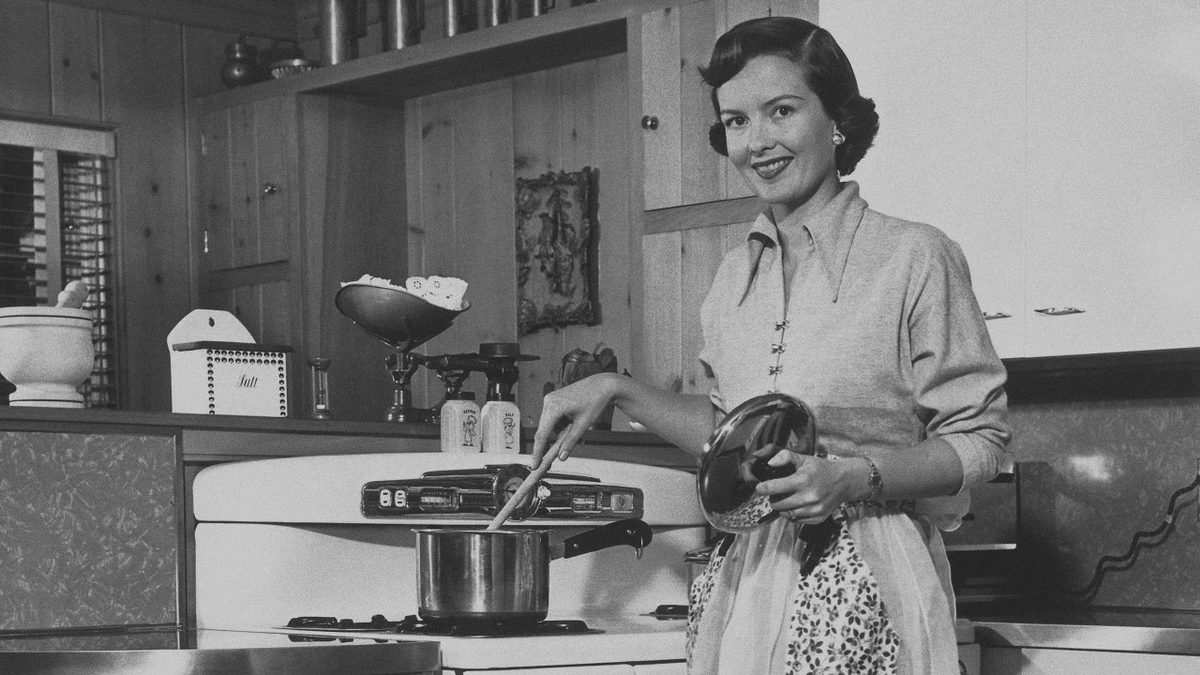
The image of the modern “tradwife” has emerged as a prominent cultural touchstone, often showcased on social media platforms like Instagram. These influencers present an idealized vision of domestic bliss, featuring activities such as baking bread and managing a household, positioning themselves as a counterpoint to the perpetually busy and often exhausted “girlboss” archetype. This stark contrast has ignited debate: is this simply a modern iteration of the long-standing “mommy wars,” where women’s personal choices about work and family life are subjected to public scrutiny and judgment? Or does the tradwife phenomenon signify something deeper? Our research delves into these questions, seeking to understand the underlying motivations and implications of this trend.
Key Details
- The tradwife-girlboss dichotomy often frames the debate as a choice between “opting out” of the workforce or “leaning in.”
- Public discourse frequently interprets the tradwife lifestyle as a debate between oppression and empowerment, focusing on the choice to stay home and embrace domesticity.
- Research indicates that the core issue is women’s fundamental search for control over their lives, rather than a simple rejection of work.
- Many prominent tradwife influencers, such as Nara Smith and Hannah Neeleman, are actively working women who monetize their domestic content, blurring the lines between traditional homemaking and entrepreneurship.
- A study of 335 Gen Z women revealed that while they generally viewed a traditional homemaking lifestyle positively and did not perceive it as inherently oppressive, they rated its associated risks significantly higher than other lifestyle descriptions.
- Specifically, a married tradwife’s situation was rated 41% riskier than a woman simply enjoying domestic activities. Even a working, married woman was perceived as being in a situation 24% riskier than the woman who just enjoyed domestic activities.
- The risk perception varied by relationship status and orientation, with a traditional heterosexual homemaker rated 23% riskier than a queer tradwife.
- Approximately two-thirds of Gen Z participants believed the traditional tradwife lifestyle was not a viable option for everyone, suggesting an awareness of the complexities and potential limitations.
Background
Contemporary women have grown up in an era where dual-income households are the norm. However, societal expectations regarding domestic responsibilities have not kept pace. Women continue to shoulder a disproportionate amount of household labor, even as they increasingly participate in the paid workforce. This persistent imbalance, coupled with intensifying demands at home, contributes to widespread burnout. The tradwife aesthetic appears to be gaining traction precisely at a time when inflexible workplace structures exacerbate this burnout, pushing many women out of their careers, particularly before reaching leadership positions. The inability to reconcile caregiving duties with demanding work schedules is a primary driver for women leaving the workforce.
Impact Analysis
The tradwife aesthetic seems to represent less a yearning for a return to a bygone era and more a profound disillusionment with the current structure of modern work. The influencers associated with this culture are often working women themselves. Figures like Nara Smith and Hannah Neeleman, while embodying the tradwife ideal in their content, identify as working mothers and entrepreneurs. They have successfully built businesses by curating and monetizing their domestic lives, demonstrating that a fulfilling career can coexist with, and even be built around, domesticity and motherhood. This challenges the simplistic binary often presented in public discourse. The Gen Z study further highlights this nuance: while young women do not necessarily view traditional homemaking as oppressive, they perceive it as carrying significant risks, particularly concerning financial independence and stability, especially in heterosexual relationships. This suggests an understanding that embracing a purely domestic role, without a viable income stream or flexible support, can be precarious.
“The tradwife influencer moment is not evidence that women want to stop working. It may be evidence that women want more control over how work fits into their lives and their families.”
Broader Context
The tradwife trend intersects with broader societal conversations about work-life balance, gender roles, and economic precarity. In a world grappling with increasing costs of living and the lingering effects of the pandemic on work structures, the appeal of a lifestyle that promises greater control and perceived stability is understandable. The “girlboss” culture, while celebrating female ambition, often masks the immense personal cost—burnout, stress, and the constant pressure to perform. The tradwife aesthetic, in its idealized form, offers an alternative narrative, one that prioritizes home, family, and a slower pace of life. However, as our research indicates, the reality is more complex. The influencers who popularize this lifestyle are often highly savvy entrepreneurs, demonstrating a different form of agency and control. Their success lies in their ability to create a work structure that aligns with their personal values and life circumstances, rather than conforming to rigid external expectations.
Future Outlook
The implications for employers are significant. If women are drawn to alternative lifestyles that offer greater autonomy over their time, particularly in managing caregiving and domestic responsibilities, businesses must pay attention. The desire for freedom and autonomy, as highlighted by our research into women leaving corporate America for entrepreneurship and their perceptions of power, is a key driver. Companies that fail to adapt their structures to better accommodate caregiving needs and offer greater flexibility risk losing valuable talent. The tradwife phenomenon, therefore, should not be dismissed as a fringe movement but understood as a signal of a deeper dissatisfaction with the status quo of work. The future likely involves a greater demand for flexible work arrangements, remote options, and policies that support working parents. The question is not whether women can “have it all,” as famously posed years ago, but whether the current models of work and life are truly livable and offer genuine control and security.
Conclusion
The tradwife debate, at its core, is not about whether women should work or stay home, but about the fundamental human need for control and autonomy. The idealized domesticity presented by tradwife influencers, while appealing to some, is often a carefully curated brand built by working women. Their success lies in creating work that integrates with, rather than competes against, their domestic lives. This trend underscores a critical need for workplaces to evolve. By offering greater flexibility and better supporting the integration of paid work and caregiving, employers can retain talent and address the burnout epidemic. Ultimately, both the tradwife and the girlboss, despite their apparent differences, are seeking the same thing: the freedom to construct a life that is both secure and genuinely livable.
Source: fastcompany.com