Nor'easters Intensify Across New England Amid Rising Ocean Temperatures
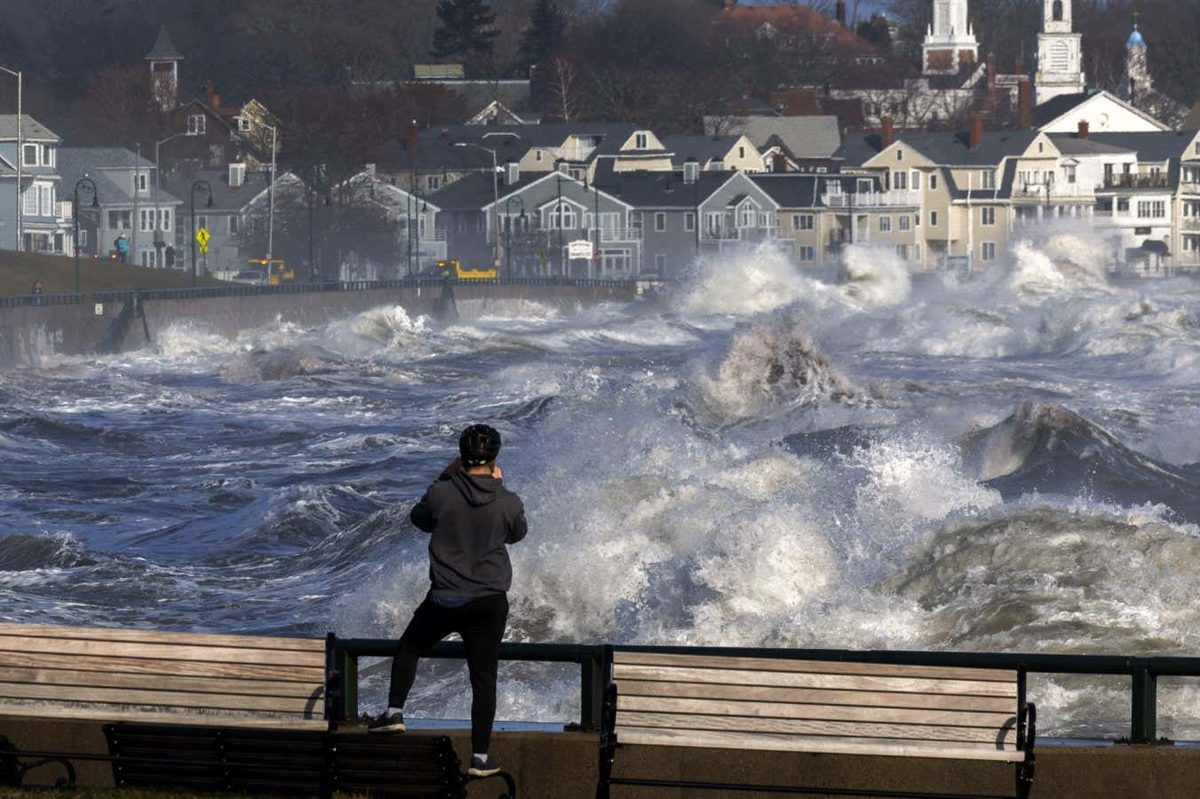
Nor'easters Intensify Across New England Amid Rising Ocean Temperatures
Introduction
In recent years, residents of New England have experienced a noticeable increase in the severity of winter storms, particularly nor'easters—powerful low-pressure systems that form along the East Coast. These storms, known for heavy snow, rain, and strong winds, are becoming more intense, according to new meteorological research. Much like hurricanes in the southern Atlantic, nor'easters are drawing energy from warmer sea surface temperatures, a trend directly linked to climate change. As ocean waters off the northeastern U.S. continue to warm, scientists warn that the region may face more frequent and destructive winter storms in the coming decades.
Key Details
- Recent nor'easters have shown increased wind speeds and precipitation levels compared to historical averages.
- Sea surface temperatures in the western North Atlantic have risen by over 1°C since the mid-20th century.
- Warmer oceans provide more moisture and energy, fueling stronger storm development.
- Coastal communities from Massachusetts to Maine face heightened risks of flooding and erosion.
- Urban infrastructure, including power grids and transportation, is under growing strain during major storm events.
Background
Nor'easters typically form when cold Arctic air from Canada collides with warm, moist air from the Gulf Stream off the East Coast. This contrast creates ideal conditions for powerful cyclogenesis—storm development. Traditionally, these storms peak between November and March, bringing blizzards, coastal flooding, and gale-force winds. While nor'easters are not tropical cyclones, they can rival hurricanes in terms of impact, especially in densely populated areas like Boston, Providence, and Portland.
Historical data from the National Oceanic and Atmospheric Administration (NOAA) shows a clear trend: the most intense nor'easters have increased in both frequency and strength since the 1980s. This coincides with rising sea surface temperatures, particularly in the Gulf of Maine, one of the fastest-warming marine regions on Earth. According to NOAA, the Gulf of Maine has warmed at a rate nearly three times the global average over the past decade, providing ample fuel for winter storms.
Analysis
The intensification of nor'easters is a direct consequence of climate change. As greenhouse gas emissions trap more heat, the oceans absorb over 90% of this excess energy. Warmer waters not only expand in volume—contributing to sea level rise—but also increase evaporation, pumping more moisture into the atmosphere. This additional moisture enhances precipitation during storms, leading to heavier snowfalls and more intense rainfall events.
Dr. Jennifer Francis, a senior scientist at the Woodwell Climate Research Center, explains: "Warmer ocean temperatures are like adding fuel to the fire. Even a small temperature increase can significantly boost a storm’s intensity, especially when it tracks close to the coast where water is warmest."
Furthermore, changes in the polar jet stream—potentially influenced by Arctic warming—may be slowing storm systems, allowing nor'easters to linger longer over coastal areas. This prolonged exposure increases the risk of flooding, power outages, and structural damage. Urban planners and emergency management officials are now reevaluating preparedness strategies, including flood barriers, stormwater management, and evacuation protocols.
Economically, the cost of nor'easters is rising. A 2023 study published in Nature Climate Change estimated that damages from extreme winter storms in the Northeast could increase by up to 40% by 2050 if warming continues unabated. Insurance claims, infrastructure repair, and lost productivity all contribute to this growing burden.
Conclusion
The increasing power of nor'easters is a clear signal of a changing climate. While these storms are a natural part of the Northeast’s weather pattern, their intensification poses serious challenges for communities, infrastructure, and emergency response systems. Addressing the root causes of climate change through emissions reduction, alongside investing in resilient infrastructure, is essential to mitigate future risks. As sea temperatures continue to rise, the Northeast must prepare for a new era of more powerful and disruptive winter storms.