Nintendo Switch 2: Maximize Storage with microSD Express Cards
Introduction
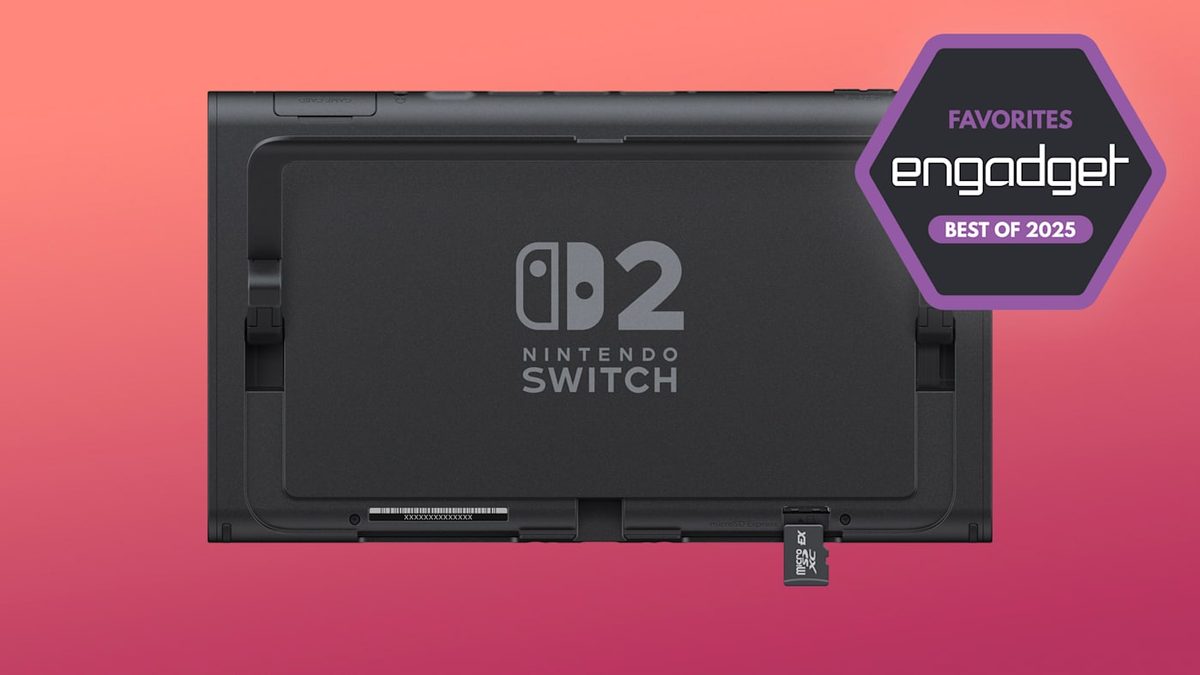
The launch of the Nintendo Switch 2 marks a significant milestone in portable gaming technology. With a substantial built-in storage capacity of 256GB—eight times that of the original Switch—it's designed to cater to avid gamers looking to enjoy a plethora of titles. However, as the gaming landscape advances, so does the demand for storage. High-performance games like Cyberpunk 2077 and Split Fiction are already pushing the limits, necessitating the search for additional storage solutions.
Key Details
The Nintendo Switch 2 is the first mainstream gaming device to adopt microSD Express cards, a significant upgrade from the standard microSD used in its predecessor. Here are some key points regarding these new storage options:
- Capacity and Performance: microSD Express cards support faster data transfer rates, making them ideal for high-demand games.
- Current Options: Retailers have limited availability of microSD Express cards, but options include:
- 128GB Cards: SanDisk ($54), PNY ($45).
- 256GB Cards: Samsung ($60), SanDisk ($73), Lexar ($50).
- 512GB Cards: Lexar ($100), GameStop Express ($100).
- 1TB Capability: Nintendo supports cards up to 2TB, but no models exceed 1TB as of now.
Background
The transition to microSD Express cards reflects a broader shift in gaming technology, driven by the need for enhanced performance and efficiency. Unlike traditional microSD cards, which often utilize the UHS-I standard, microSD Express cards leverage the PCI Express interface, promising significantly higher speeds. For instance, microSD Express cards can achieve theoretical maximum speeds of up to 985 MB/s, a marked improvement over the 104 MB/s seen with UHS-I cards.
This upgrade is critical for the Nintendo Switch 2, designed to run demanding titles that may not have been feasible on previous hardware. The console's integration of UFS 3.1 storage further emphasizes the need for high-performance expandable storage, as it seeks to maintain seamless gameplay and quick load times.
Impact Analysis
The implications of adopting microSD Express cards extend beyond mere storage capacity. The enhanced speed and efficiency can lead to a more responsive gaming experience, reducing loading times and improving overall gameplay fluidity. However, the higher price point of these cards poses a potential barrier for consumers. Traditional microSD cards are significantly cheaper, and the cost of microSD Express cards may deter some users from maximizing their console's potential.
"If you can hold off on buying one of these things early on, that's probably a good idea. Prices will eventually come down as more options hit the market."
Broader Context
The gaming industry has seen a notable trend towards higher storage capacities and faster data transfer rates, driven by the increasing complexity of modern games. As titles become more intricate, requiring larger files and extensive downloadable content, the need for effective storage solutions becomes more pronounced. The Nintendo Switch 2 is at the forefront of this shift, emphasizing the significance of microSD Express technology in accommodating next-generation gaming experiences.
As the market for microSD Express cards evolves, competition among brands is expected to increase, potentially leading to more affordable options for consumers. Additionally, as other manufacturers begin to adopt this technology, it may result in broader compatibility and improved availability of microSD Express cards across different platforms.
Future Outlook
Looking ahead, the landscape for microSD Express cards is likely to expand, with manufacturers racing to meet the demands of a growing user base. Nintendo's commitment to supporting higher-capacity cards indicates a long-term strategy to facilitate gamers' storage needs. As demand increases, the production of microSD Express cards is expected to ramp up, resulting in more competitive pricing and diverse options.
For gamers, this means that while early adoption may come at a premium, patience could yield better value as the market matures. Until then, utilizing the built-in storage of the Switch 2 to its fullest is advisable, allowing players to manage their game libraries effectively without compromising on performance.
Conclusion
The transition to microSD Express cards for the Nintendo Switch 2 marks a significant advancement in gaming technology, emphasizing the need for higher performance and storage efficiency. As the market evolves, consumers must navigate the complexities of pricing and availability while keeping an eye on future developments. For now, understanding the options available and making informed choices will be key to maximizing the gaming experience on the Nintendo Switch 2.