DuckDuckGo Introduces AI Image Filter to Reduce AI-Generated Content by Significant Margin
Introduction
As artificial intelligence-generated content increasingly floods the internet, users often find it challenging to separate authentic media from computer-generated images. Responding to this growing concern, DuckDuckGo, the privacy-focused search engine, has introduced a new filter feature that allows users to opt out of seeing AI-generated images in their search results. This development emerges amidst rising debates about AI's impact on internet content quality and user experience.
Key Details
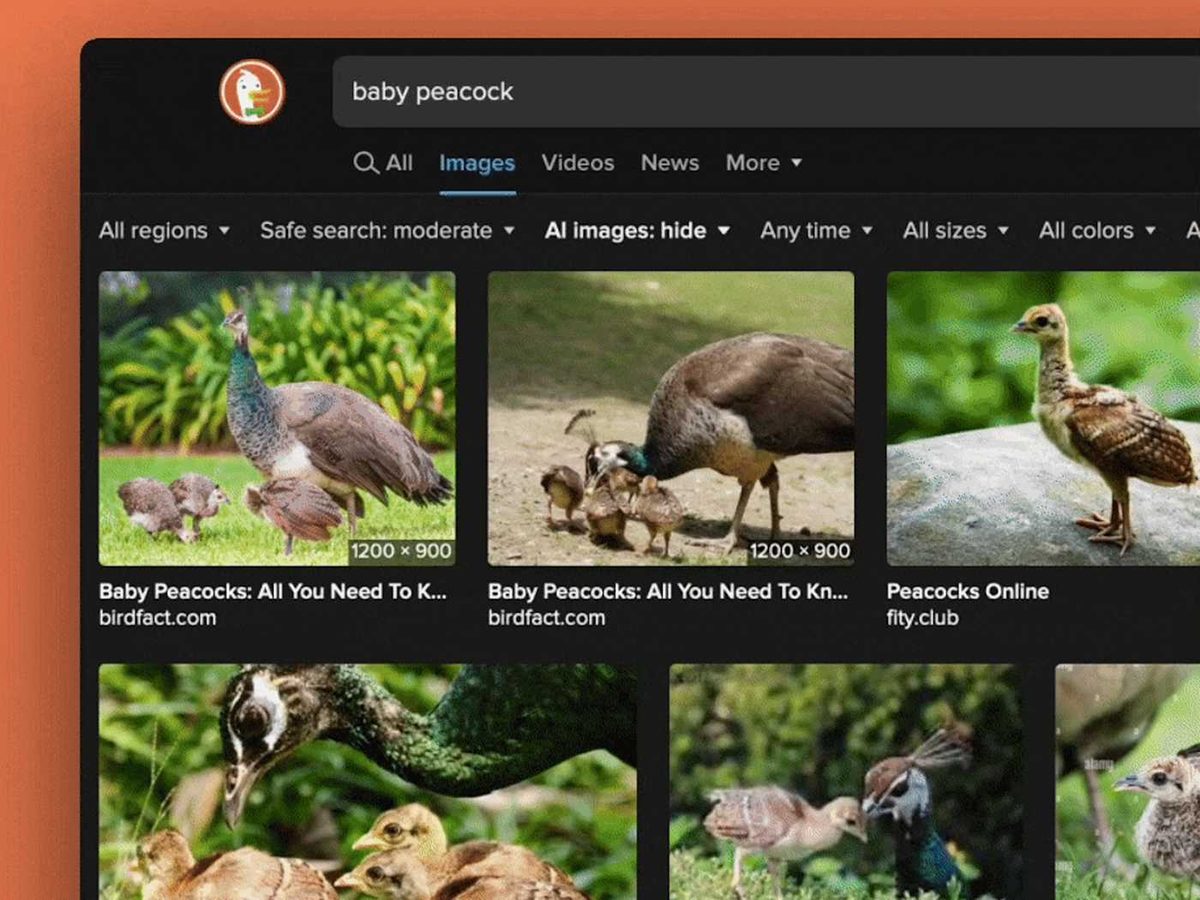
- New dropdown menu labeled "AI images" for filtering search results on DuckDuckGo.
- Option to hide AI-generated images, giving users more control over displayed content.
- The filter is based on manually curated open-source block lists maintained by uBlockOrigin and other contributors.
- DuckDuckGo acknowledges the filter may not catch all AI images but will significantly reduce their presence.
- Additional filters are in development to further refine search results.
Background
Since late 2023, AI-generated content has proliferated across multiple online platforms, often compromising the quality and reliability of search engine results. Google Search, for instance, has faced criticism for an increasing number of AI-generated images cluttering results, with "baby peacock" image searches becoming emblematic of this overload. Despite Google’s efforts to mitigate AI content, users still report frequent encounters with AI slop—low-quality or irrelevant AI content that diminishes the search experience.
DuckDuckGo’s philosophy centers on providing a private, useful, and optional user experience. The company’s latest filter aligns with this ethos by empowering users to decide how much AI-generated content they want to see, if any.
Impact Analysis
This filter represents a crucial step in improving search result relevance and user satisfaction for DuckDuckGo users. By integrating community-maintained block lists from open-source projects like uBlockOrigin, DuckDuckGo leverages crowd-sourced intelligence to effectively reduce AI-generated noise. Although the filter does not guarantee a complete removal of AI images, the reduction is expected to significantly improve the clarity and authenticity of visual search results.
DuckDuckGo stated, "Our philosophy about AI features is ‘private, useful, and optional.’ Our goal is to help you find what you’re looking for. You should decide for yourself how much AI you want in your life – or if you want any at all."
This initiative could influence other search engines and platforms to adopt similar user-customizable filters, balancing innovation with user preference and privacy.
Broader Context
The introduction of an AI image filter by DuckDuckGo comes at a time when the internet is grappling with the implications of AI-generated content. From deepfakes to synthetic images, AI tools have transformed digital media creation, but also introduced challenges related to misinformation, copyright, and user trust. Search engines, as gateways to information, play a pivotal role in how users perceive and interact with digital content.
DuckDuckGo’s move underscores the growing demand for transparency and control in how AI is integrated into everyday technologies. By adopting open-source block lists, the company also brings community involvement into managing AI content dissemination, signaling a participatory approach to tackling AI-related issues.
Future Outlook
DuckDuckGo has indicated plans to expand filtering options beyond AI-generated images, aiming to offer users even greater control over their search experience. As AI technology continues to evolve, search platforms will likely face ongoing pressure to refine how AI content is identified and managed to maintain user trust and content quality.
Furthermore, DuckDuckGo's approach may inspire regulatory discussions about transparency standards for AI-generated content, emphasizing user consent and choice. The company’s stance of keeping AI-related features optional aligns with broader digital privacy movements seeking to empower users rather than impose automated content curation.
Conclusion
The new AI image filter by DuckDuckGo marks a significant development in user empowerment amid the rise of AI-generated online content. By providing a straightforward tool to reduce AI images in search results, DuckDuckGo enhances the search experience, supports privacy, and fosters user autonomy. This feature highlights the complex balance between embracing AI innovation and preserving content quality and authenticity on the internet.
As AI integration deepens across digital platforms, such user-centric solutions could become essential for maintaining trust and relevance in the rapidly evolving online information ecosystem.