Elon Musk Faces 300,000 Deaths Linked to Aid Cuts and Tesla’s Market Losses Amid Political Fallout
Introduction
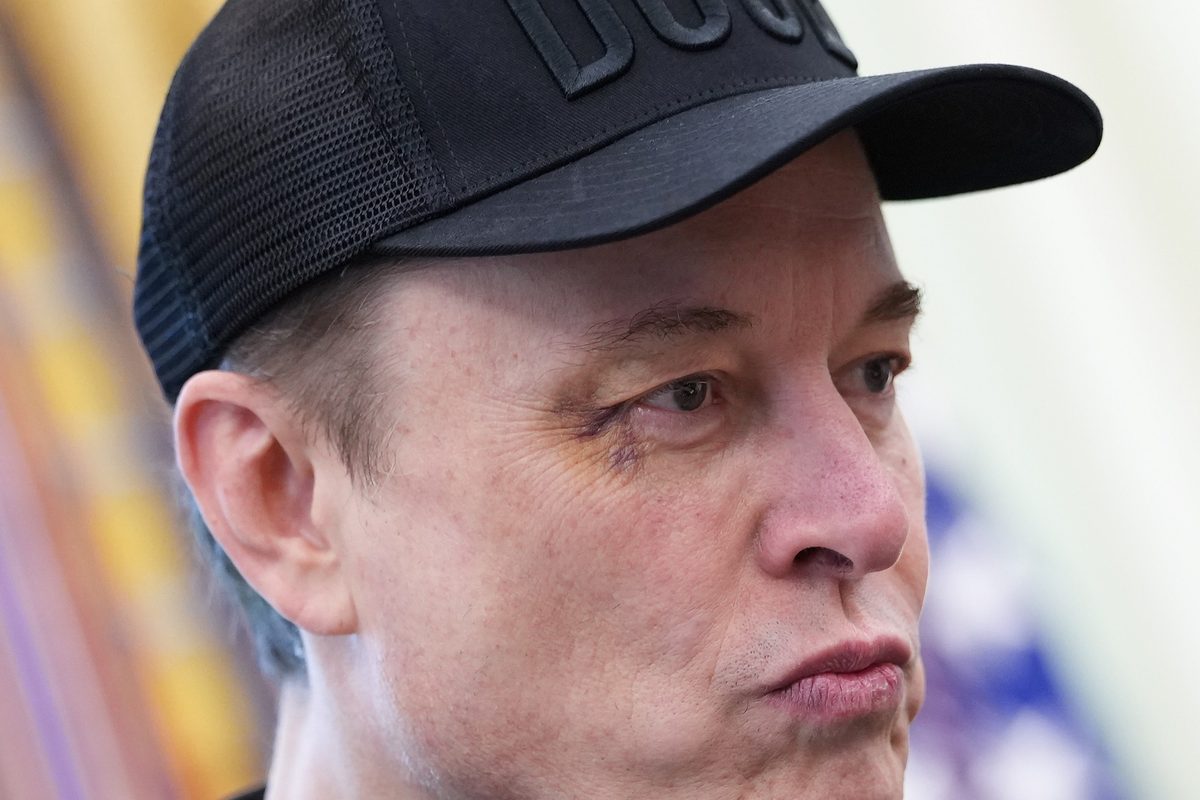
Elon Musk, one of the most prominent figures in global technology and business, recently concluded a turbulent five-month stint leading the US Department of Government Efficiency (DOGE). His exit from the role was marked by a visible black eye, which he humorously attributed to a rough play moment with his young son. However, beneath this lighthearted anecdote lies a series of serious challenges: declining company performance, increasing public disapproval, and critical backlash for controversial policy decisions made during his time in government.
Key Details
- Musk appeared at a press conference with former President Donald Trump in the Oval Office, showing a black eye he said came from his son's punch.
- Under Musk's leadership, Tesla experienced its first year-over-year quarterly sales decline in nearly five years, losing market share in key countries.
- Public opinion in the United States has soured, with a majority now expressing dislike for Musk.
- Musk claimed to have saved the government approximately one trillion dollars by cutting wasteful spending but these claims largely failed to materialize.
- A researcher linked the elimination of humanitarian aid funding overseen by Musk to an estimated 300,000 deaths overseas, mostly children.
- Reports from within the Trump administration describe Musk as "exhausted and exasperated," struggling to handle backlash against his companies and political activities.
- Tesla's board was rumored to be searching for a new CEO, a report which the company denied.
Background
Elon Musk’s tenure as head of DOGE was marked by high expectations and unprecedented goals to streamline government efficiency. His approach involved drastic cuts to what he identified as "waste, fraud and abuse" across federal agencies, including significant reductions in humanitarian aid programs funded by USAID and Medicaid. These cuts were championed as necessary to reduce government expenditure and redirect resources more efficiently.
Simultaneously, Musk continued to oversee his private enterprises, notably Tesla, which has been a flagship of electric vehicle technology and innovation. However, Tesla’s recent market performance has been disappointing, facing stiff competition internationally and registering its first sales decline in years—both factors damaging Musk’s reputation as a visionary entrepreneur.
Impact Analysis
The fallout from Musk's doge leadership has been profound and multifaceted. Although his rhetoric about saving a trillion dollars grabbed headlines, the reality of these spending cuts appears starkly different. An independent researcher traced the humanitarian consequences of aid budget removals, attributing approximately 300,000 deaths overseas to these policy changes. This startling figure predominantly reflects loss of life among vulnerable children who depended on aid programs for survival.
Domestically, Musk’s public standing has eroded. Polls indicate a majority of US residents now have an unfavorable view of him, a remarkable shift given his prior status as a largely admired business icon. The pressure is intense: insiders report Musk is "exhausted and exasperated" by the relentless criticism and operational challenges impacting Tesla and his other ventures. The board’s rumored search for his replacement highlights serious institutional concerns about leadership stability within Tesla.
Broader Context
Musk’s tenure at DOGE and its aftermath illustrate the complex intersection of business, politics, and public service in contemporary America. His efforts to impose a Silicon Valley-style efficiency model on government agencies encountered significant obstacles, revealing tension between rapid innovation and the real-world consequences of policy decisions. The humanitarian impact of aid cuts underscores the ethical dilemmas that arise when applying corporate management principles to public welfare programs.
Meanwhile, Musk’s personal brand, once synonymous with futuristic innovation and ambitious goals like space colonization, has suffered in the political and social arena after his association with polarizing administrations and controversial policies. This shift raises questions about the sustainability of celebrity entrepreneurship when entwined too deeply with partisan politics.
Future Outlook
Looking ahead, Elon Musk faces considerable challenges in restoring his reputation and stabilizing his business empire. Tesla will need to regain lost market share, address operational weaknesses, and reassure investors and consumers alike. Politically, Musk may choose a quieter profile to rebuild public trust, or he could continue attempting to influence government efficiency with more moderated ambitions.
The broader implications are also significant. The United States government and its agencies may reconsider aggressive spending cuts without comprehensive impact assessments, particularly in humanitarian sectors. Musk’s legacy in public service could serve as a cautionary tale about the risks of rapid reform in sensitive social programs.
Conclusion
Elon Musk’s departure from the Department of Government Efficiency with a literal black eye symbolically reflects the bruising experience of his recent political and business ventures. While he claimed substantial government savings, the human cost in lives lost overseas and the sharp decline in his public support paint a sobering picture of the limits of applying tech-sector efficiency strategies to complex public systems. As Musk navigates his future endeavors, the lessons from his DOGE tenure will undoubtedly shape both his personal trajectory and the broader discourse on technology leaders in politics.
"I said, 'Go ahead, punch me in the face.' And he did," Musk explained, attempting to inject levity despite the serious setbacks he faces.