New Perspectives on Reducing Aviation's Climate Impact
New Perspectives on Reducing Aviation's Climate Impact
Introduction
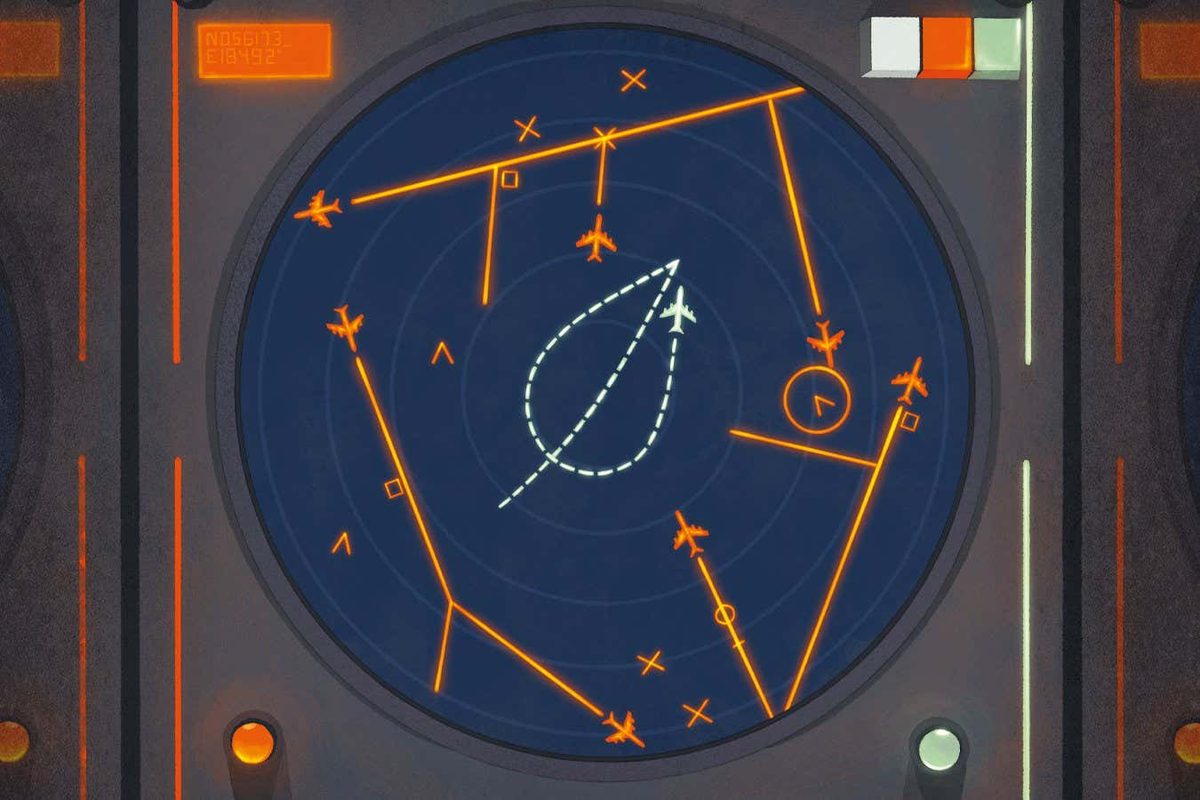
The aviation industry has long been viewed as a challenging sector when it comes to reducing its carbon emissions. As global air travel continues to soar, the urgency for effective, sustainable solutions grows. Traditional sustainable fuels, which have been championed as a potential remedy, may not be the panacea that many had hoped. Mike Berners-Lee, a prominent figure in sustainability, proposes an alternative path that could reshape our understanding of aviation’s climate impact.
Key Details
- Aviation's Carbon Footprint: The aviation sector contributes significantly to global carbon emissions, accounting for approximately 2-3% of the total.
- Challenges of Sustainable Fuels: While biofuels and synthetic fuels have been identified as sustainable alternatives, their production processes often involve substantial carbon emissions and resource consumption.
- Berners-Lee’s Proposal: Instead of relying on sustainable fuels alone, Berners-Lee advocates for a comprehensive redesign of aviation practices aimed at reducing demand for air travel.
- Technological Innovations: Advancements in virtual conferencing and remote collaboration tools are reducing the need for business travel.
- Societal Shifts: A growing awareness of climate change is encouraging a cultural shift towards more sustainable travel choices.
Background
The quest for sustainable aviation has become increasingly critical as the world grapples with the realities of climate change. The aviation industry has been a significant contributor to greenhouse gas emissions, raising concerns among environmentalists, policymakers, and the public alike. Traditional methods of improving fuel efficiency and developing sustainable fuels have made only marginal impacts on overall emissions reductions.
Mike Berners-Lee, a researcher and author focused on sustainability, challenges the prevailing narrative that sustainable fuels are the primary solution to this issue. His recent discourse emphasizes that, while alternative fuels can play a role, they cannot address the underlying problem: the increasing demand for air travel. As more people fly for leisure and business each year, the total emissions from aviation continue to rise, even amid efforts to reduce the carbon footprint.
Analysis
Berners-Lee’s proposition to rethink aviation's climate strategy invites a broader conversation about how society values air travel. His perspective aligns with the growing sentiment that reducing reliance on air travel is essential for achieving significant emissions reductions. This shift could entail changing travel habits, investing in alternative modes of transportation, and enhancing public transit systems.
Moreover, technological advancements present opportunities to mitigate the impact of air travel. Virtual meetings, remote work, and digital collaboration can significantly reduce business-related air travel. The COVID-19 pandemic has accelerated this trend, demonstrating that many meetings and interactions can occur virtually without the need for flights.
In this context, the aviation industry's future may not rely solely on cleaner fuels but rather on a holistic approach that considers demand management. By integrating policies that promote sustainable travel, enhance alternative transportation options, and invest in technology that reduces the need for air travel, significant strides can be made in mitigating the industry's climate impact.
Conclusion
The challenge of decarbonizing aviation is complex, but insights from thought leaders like Mike Berners-Lee offer a fresh perspective that could lead to more effective solutions. Rather than solely focusing on sustainable fuels, it is imperative to address the broader societal factors driving air travel demand. Through a combination of technological innovation, cultural shifts, and policy changes, the aviation industry can progress toward a more sustainable future, ultimately contributing to global climate goals.