Natural Burial Emerges as the Most Eco-Friendly End-of-Life Option
Introduction
The question of what happens to our bodies after we die is a profound one, often intertwined with personal beliefs, cultural traditions, and, increasingly, environmental consciousness. As awareness of our planet's ecological footprint grows, so does the scrutiny of traditional end-of-life practices. A recent discussion on the Popular Science podcast “Ask Us Anything,” featuring editors Sarah Durn and Laura Baisas, delved into the most eco-friendly burial options available today, concluding that the simplest, most natural approach is indeed the best.
Key Details
- Conventional Burial: This method is resource-intensive, involving embalming chemicals, metal caskets, and concrete vaults, all of which have significant manufacturing and transportation footprints. These materials do not decompose and contribute to environmental pollution.
- Cremation: While often perceived as simpler, cremation requires substantial energy, typically fueled by fossil fuels, leading to significant carbon dioxide and mercury vapor emissions. Open-air cremations also consume large amounts of wood, releasing considerable CO2.
- Aquamation (Alkaline Hydrolysis): This process uses heated water and lye to break down soft tissues, emitting about 20% less carbon than flame cremation. However, it produces a substantial volume of liquid waste that must be processed by wastewater systems.
- Human Composting (Natural Organic Reduction): This method uses microbes to break down a body in a vessel with organic materials like straw and wood chips over approximately 60 days. While it transforms remains into usable soil, it involves inputs like alfalfa, which can be water-intensive, and the resulting material often requires further transport.
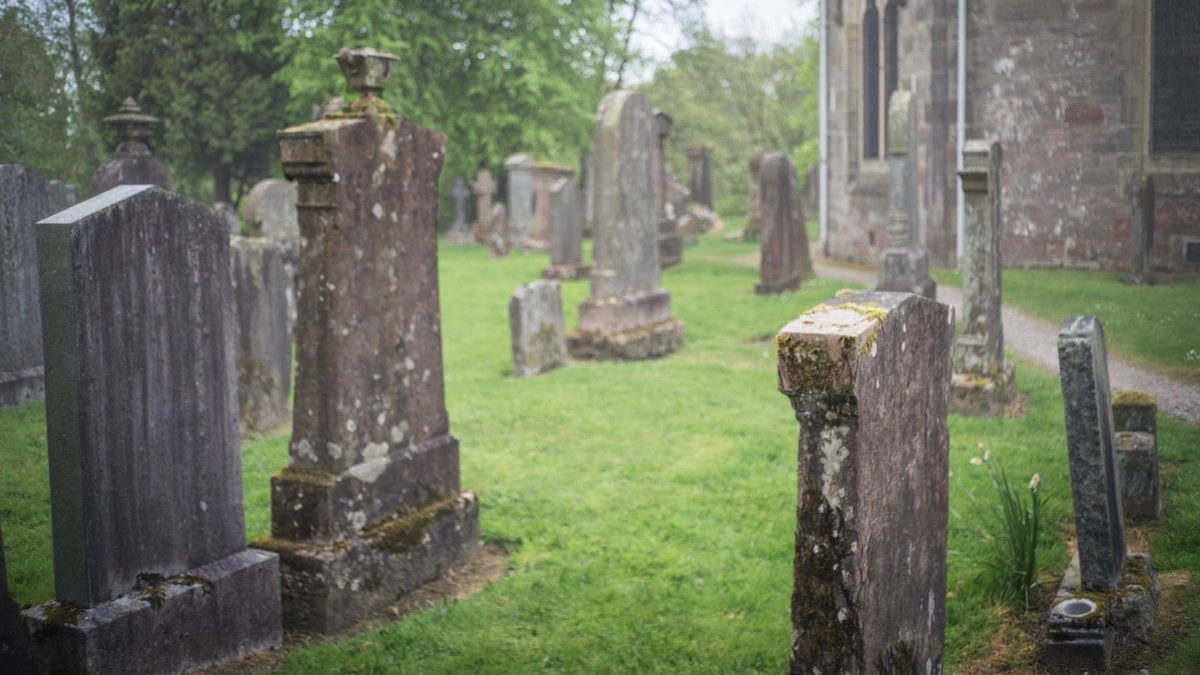
- Natural Burial: This method involves placing a body directly into the soil, using only biodegradable shrouds or simple wooden boxes, with no embalming, vaults, or metal. It allows for natural decomposition, leaving no lasting waste or chemical runoff.
Background
The podcast episode revisited a popular topic, acknowledging the growing interest in sustainable end-of-life choices. Editors Sarah Durn and Laura Baisas explored various historical and modern methods. Traditional practices like sky burials in Tibet, where bodies are left for vultures, and ossuaries, communal bone repositories, highlight humanity's long-standing efforts to manage remains in ways that are practical and spiritually meaningful within their specific environmental contexts. However, many of these traditional methods are not legally or culturally feasible in places like the United States.
“Everybody wants something shiny, new and exciting, but the simplest solution is usually the best.” – Lee Webster, author, educator, and former president of the Green Burial Council.
Impact Analysis
The analysis clearly indicates that conventional burial and cremation carry the heaviest environmental burdens. Conventional methods contribute to land use, resource depletion, and pollution from manufacturing and chemical use. Cremation, while seemingly less impactful, is a significant source of greenhouse gas emissions and mercury release. Newer technologies like aquamation and human composting offer improvements by reducing certain emissions or creating usable soil, but they still present challenges related to waste management, resource inputs, and transportation. Natural burial stands out as the method with the lowest overall environmental cost, according to a 2017 lifecycle assessment. It minimizes resource consumption, avoids toxic chemicals, and eliminates machinery-driven emissions.
Broader Context
The discussion touches upon a broader societal shift towards sustainability that extends to all aspects of life, including death. The podcast also highlighted the emotional and ritualistic importance of funerals. Personal anecdotes from the editors about attending funerals in India and honoring a relative with a favorite song underscored how cultural traditions and personal touches shape the grieving process. These rituals, while distinct from the disposition of the body itself, are crucial for community support and remembrance. The pandemic's impact on funeral gatherings further emphasized the human need for communal mourning.
Future Outlook
While natural burial is currently the most eco-friendly option, the conversation hinted at potential future innovations. One such development mentioned is a method that accelerates the breakdown of both soft tissue and bone into nutrient-rich material. However, this technology is not yet widely available. Experts suggest that natural burial will likely remain the benchmark for environmental friendliness due to its inherent simplicity and minimal impact. Many natural burial sites also function as conservation areas, meaning that rather than consuming space, they actively contribute to preserving natural habitats.
Conclusion
The consensus from the Popular Science discussion is that natural burial offers the most sustainable and environmentally responsible way to handle our remains. It aligns with the principle that sometimes, doing less is the most effective solution for ecological well-being. By returning to basic, natural processes, individuals can ensure their final act on Earth is a positive contribution to the environment, supporting decomposition and potentially aiding in habitat preservation.
Source: popsci.com