New Groundsnake Species Discovered in New Guinea, Named After Rock Icon Slash
Introduction
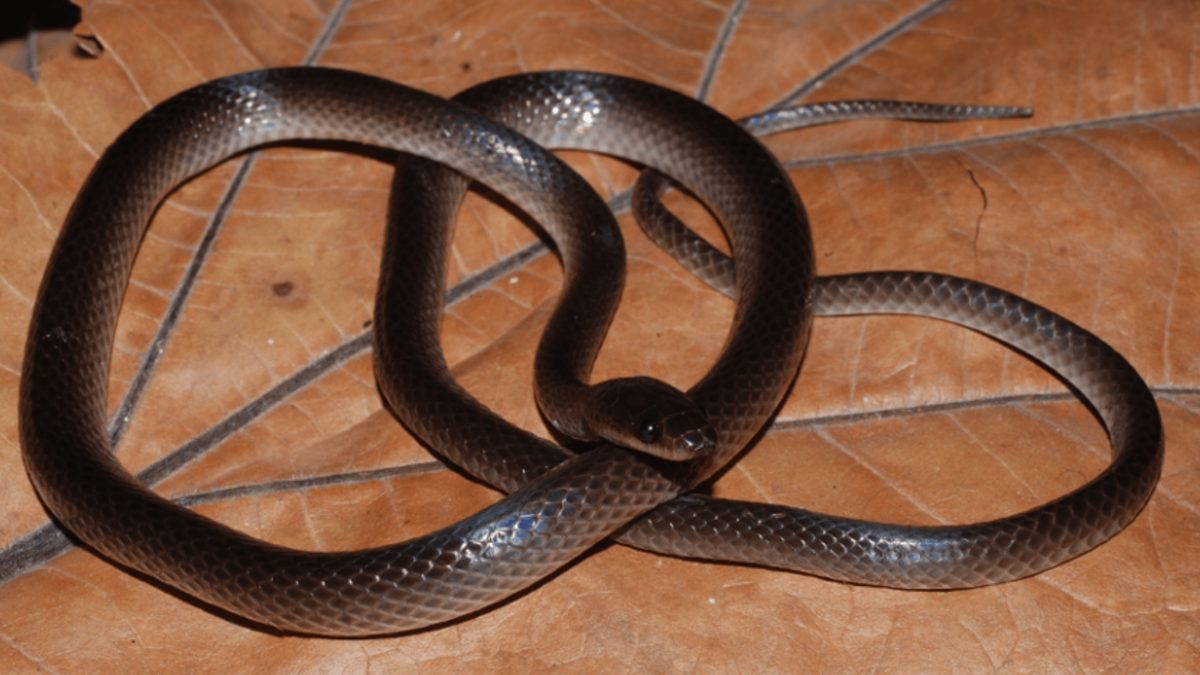
In a fascinating convergence of music fandom and scientific discovery, a new species of snake has been identified in the remote forests of New Guinea. This elusive creature, a non-venomous groundsnake, has been formally named Lielaphis slashi, a tribute to the iconic guitarist Saul Hudson, widely known as Slash from the legendary rock band Guns N’ Roses. The naming honors Slash’s well-documented lifelong passion for reptiles and his support for museums and zoos, bridging the worlds of rock and herpetology.
Key Details
- Species Name: Lielaphis slashi (Slash’s groundsnake)
- Discovery Location: Forests of New Guinea
- Snake Characteristics: Approximately 28 inches long, reddish-brown in color, non-venomous.
- Naming Rationale: Honors guitarist Slash for his love of reptiles and support for museums and zoos.
- Research Team: Led by Dr. Sara Ruane (Field Museum, Chicago) and Dr. Chris Austin (Louisiana State University).
- Publication: Described in the scientific journal Zootaxa.
- Distinguishing Features: Genetic analysis and physical characteristics (scale counts) confirm it as a new species distinct from related groundsnakes.
Background
The discovery was made by a team of herpetologists, including Dr. Sara Ruane, Associate Curator of Herpetology at the Field Museum in Chicago, and Dr. Chris Austin, a herpetologist at Louisiana State University (LSU). Dr. Austin first encountered an unfamiliar snake during nocturnal fieldwork in New Guinea in 2006. Groundsnakes in this region are nocturnal, often found near the base of large trees shortly after sunset as they forage for prey. This particular region of New Guinea, a vast island teeming with biodiversity, remains significantly under-explored by science.
Dr. Ruane, who has been a fan of Guns N’ Roses since childhood, was inspired to pursue herpetology partly by her admiration for Slash. She recalled seeing him featured on the cover of Reptiles Magazine holding a python, which solidified her interest. After completing her doctorate, Ruane collaborated with Austin at LSU, focusing on the poorly understood snake fauna of New Guinea. The initial identification of Lielaphis slashi was based on its physical appearance, but subsequent laboratory analysis, including advanced genetic sequencing, confirmed its status as a distinct species.
“As a long time herpephile, I am extremely honored and humbled to have Lielaphis slashi from New Guinea named after me. It is really exciting, I never would have imagined this moment would arrive,” said Slash in an email to Popular Science.
Impact Analysis
The identification of Lielaphis slashi is significant not only for its connection to a global music icon but also for its contribution to our understanding of New Guinea’s biodiversity. The snake’s diet is presumed to consist of small lizards and reptile eggs, based on the genus's typical anatomy, including large rear teeth that aid in grasping slippery prey. Unlike some other snakes, it is not venomous and poses no threat to humans. However, the species, like much of New Guinea’s unique wildlife, faces considerable threats.
Habitat destruction due to agricultural expansion and mining operations poses a significant risk to the survival of Lielaphis slashi and countless other species in the region. The formal description and naming of new species are crucial steps in conservation efforts. By recognizing and documenting these organisms, scientists can better understand ecological relationships and advocate for the protection of their habitats.
Broader Context
New Guinea is a global hotspot for biodiversity, housing an astonishing array of endemic species found nowhere else on Earth. Its complex ecosystems, from dense rainforests to mountainous terrains, support a vast number of plants, insects, birds, and reptiles, many of which remain undiscovered or poorly studied. The ongoing exploration and scientific documentation of this island’s fauna are vital for understanding evolutionary processes and the intricate web of life.
The naming of a species after a celebrity is not unprecedented; it often serves to draw public attention to scientific research and conservation issues. In this case, the association with Slash has the potential to reach a broad audience, raising awareness about the importance of herpetology and the ongoing challenges of biodiversity research in remote regions.
Future Outlook
Further research is needed to fully understand the ecology, behavior, and population status of Lielaphis slashi. Its nocturnal habits and ability to remain hidden make it challenging to study in the wild. Scientists hope that the publicity generated by the snake’s name will encourage greater support for biodiversity research and conservation initiatives in New Guinea. Protecting the island's unique habitats is paramount to ensuring the survival of this newly discovered species and the many others yet to be identified.
Conclusion
The discovery and naming of Lielaphis slashi is a testament to the ongoing exploration of our planet’s biodiversity and the enduring fascination with the natural world. It underscores the importance of scientific research, even in the most remote corners of the globe, and highlights the critical need for conservation efforts to protect vulnerable ecosystems and their inhabitants. The connection to a cultural icon like Slash adds a unique dimension, potentially galvanizing public interest and support for the preservation of species like Slash’s groundsnake.
Source: popsci.com