Mitochondrial Transplant Shows Safety, Limited Vision Response in Blindness Trial
Introduction
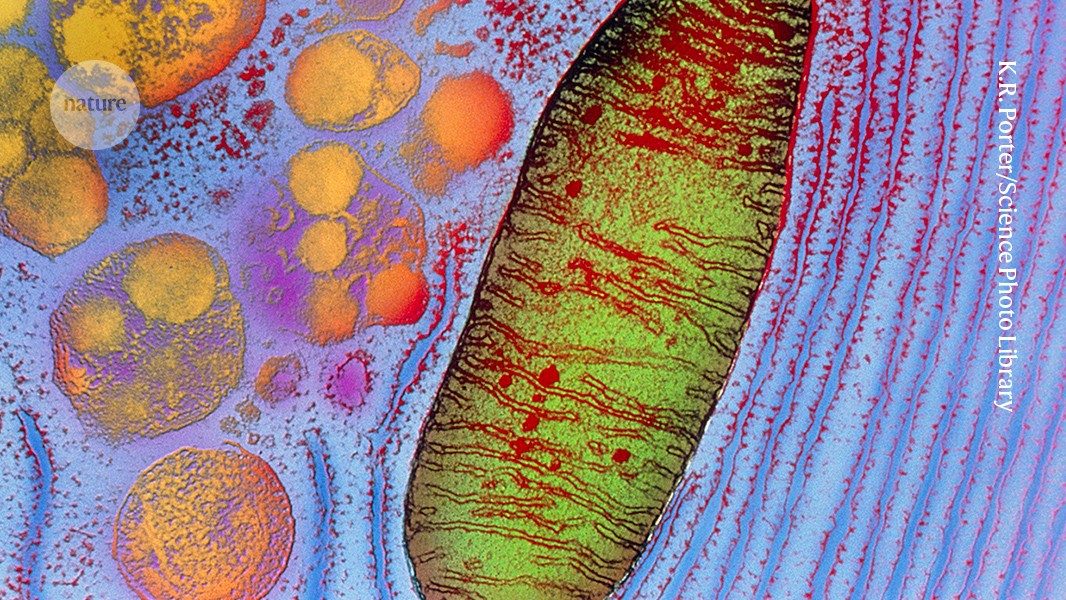
In a groundbreaking, albeit preliminary, medical endeavor, scientists have explored a novel approach to combat severe blindness by transplanting a patient’s own mitochondria into her eyes. Mitochondria, often dubbed the powerhouses of the cell, are crucial for energy production. When these organelles are damaged or dysfunctional, it can lead to various diseases, including those affecting vision. This trial represents the first instance of such a transplant being attempted within the ocular system, following earlier explorations in the heart and brain.
Key Details
- Procedure: Healthy mitochondria were extracted from the patient’s leg muscles and injected into the vitreous fluid of her eyes.
- Patient Condition: The patient suffered near-complete blindness due to optic nerve and retinal injury from a brain bleed in February, exhibiting no pupil response to light.
- Outcomes: Post-injection, the patient’s pupils showed a temporary response to light, lasting approximately four weeks. Some perception of shapes and shadows was also noted in one eye.
- Safety: The procedure was deemed “relatively safe,” with no observed inflammation or side effects in either eye.
- Efficacy: The trial did not confirm therapeutic efficacy; the observed physiological changes were limited and temporary, and vision was not restored.
- Publication: Findings were reported in a preprint posted on August 10, which has not yet undergone peer review.
Background
The rationale behind mitochondrial transplantation stems from the organelle’s vital role in cellular energy. Diseases that compromise mitochondrial function can severely impact tissue health. The concept is that healthy, transplanted mitochondria can be absorbed by damaged cells, potentially bolstering their survival and partially restoring function. Previous human trials have focused on transplanting mitochondria into critical organs like the heart and brain, areas where cellular energy demands are exceptionally high. This latest study extends that inquiry to the complex environment of the eye, specifically targeting the retina and optic nerve, which are highly susceptible to energy deficits and damage.
Impact Analysis
The primary success of this trial lies in demonstrating the safety of injecting autologous (patient’s own) mitochondria into the eye. This is a critical first step, as the eye is a highly sensitive organ, and triggering an immune response or causing inflammation could lead to further damage. The absence of such adverse effects is a significant positive finding. However, the therapeutic impact on vision restoration was minimal and transient. While a temporary pupillary light response and some light perception were observed, these effects subsided, indicating that the transplanted mitochondria did not provide a sustained functional benefit or reverse the underlying vision loss. The study authors acknowledge that proving efficacy was not the immediate goal, but rather to assess safety and observe physiological changes.
“The thing to be most concerned about was triggering an immune reaction where the immune system starts to attack these foreign substances that are being injected into the body,” stated David Putrino, a neuroscientist at the Icahn School of Medicine at Mount Sinai and co-author of the study. “But tests after the procedures found no signs of inflammation in or damage to either eye.”
Broader Context
This research occurs within a rapidly evolving field of mitochondrial medicine. As our understanding of mitochondrial biology deepens, so does our exploration of therapeutic interventions targeting these organelles. Conditions like Leber hereditary optic neuropathy (LHON), certain forms of macular degeneration, and other optic neuropathies are linked to mitochondrial dysfunction. While this specific trial focused on vision loss from physical trauma (a brain bleed), the underlying principle of using healthy mitochondria to rescue damaged cells has broader implications for a range of degenerative diseases. The successful extraction and injection of mitochondria, coupled with a lack of adverse immune reactions, opens doors for future research into more targeted and effective delivery methods and mitochondrial therapies.
Future Outlook
The path forward for mitochondrial transplantation in ophthalmology remains challenging. While safety has been established in this single case, the limited and temporary functional improvement necessitates further investigation. Future research will likely focus on optimizing the delivery of mitochondria, potentially using different cell types or engineered mitochondria, and exploring methods to ensure their long-term engraftment and function within retinal cells. Understanding why the effect was transient and how to achieve sustained benefits will be key. Researchers may also explore combination therapies, perhaps pairing mitochondrial transplantation with other regenerative approaches. The development of robust preclinical models will be crucial for testing new strategies before they can be considered for human trials.
Conclusion
This pioneering trial offers valuable insights into the safety of autologous mitochondrial transplantation in the human eye. It successfully navigated the critical hurdle of preventing an adverse immune response, a major concern in such procedures. However, the observed effects on vision were modest and short-lived, underscoring that while the approach is safe, its therapeutic efficacy for restoring vision remains unproven. This study serves as an important stepping stone, validating the safety of the technique and paving the way for more refined and potentially effective mitochondrial therapies in the future, though significant challenges in achieving lasting functional recovery persist.
Source: nature.com