Intermittent Use of GLP-1 Drugs Like Ozempic Shows Promising Weight Loss Results
Introduction
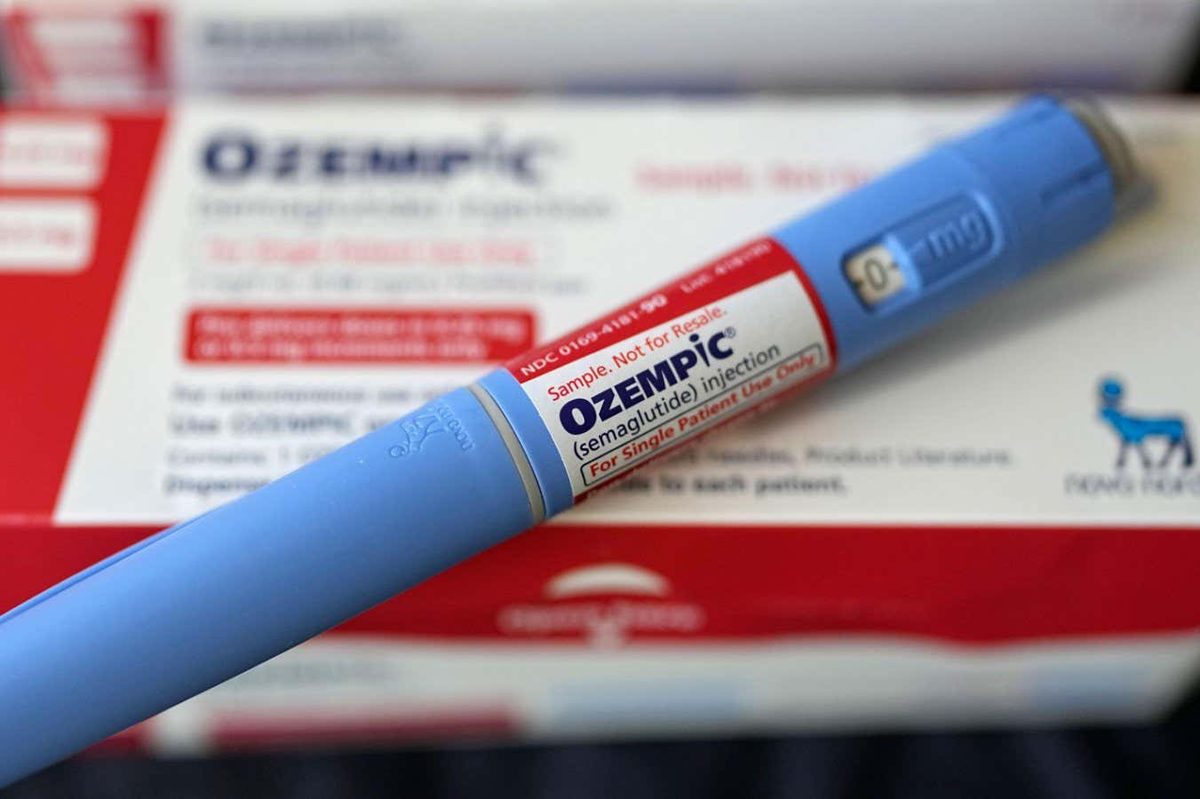
In recent years, GLP-1 receptor agonists like Ozempic have gained widespread attention for their efficacy in aiding weight loss and managing type 2 diabetes. These medications work by mimicking the glucagon-like peptide-1 hormone, which regulates appetite and blood sugar levels. However, with growing demand leading to medication shortages worldwide, questions have arisen about whether daily, uninterrupted use is necessary to achieve meaningful weight reduction. New observations indicate that even individuals with disrupted or occasional access to these drugs still experience substantial weight loss, suggesting a potential for more flexible treatment regimens.
Key Details
- GLP-1 drugs such as Ozempic are primarily designed for type 2 diabetes but have become popular for weight management.
- Shortages and supply disruptions have affected patients' ability to maintain daily dosing schedules.
- Recent reports show that intermittent use does not significantly diminish the weight loss benefits.
- Patients report sustained improvements in appetite control despite inconsistent medication availability.
- Medical professionals are exploring whether tailored dosing could maintain benefits while easing supply pressures.
Background
Ozempic (semaglutide) and similar GLP-1 receptor agonists have revolutionized diabetes care by improving glycemic control and reducing cardiovascular risks. Their appetite-suppressing effects were soon recognized, leading to off-label use and eventual approval for weight management under brand names like Wegovy. The global surge in demand, driven by both diabetic and non-diabetic patients seeking weight loss, has led to critical supply shortages, creating challenges for healthcare providers and patients alike.
The typical recommendation involves consistent weekly injections, but the scarcity of medication has forced some patients to skip doses or pause treatment. This situation prompted researchers and clinicians to assess whether intermittent dosing could still confer sufficient benefits, potentially broadening treatment accessibility and reducing the burden on pharmaceutical supply chains.
Analysis
The preliminary data indicating that weight loss continues despite irregular dosing challenges previous assumptions about the necessity of strict adherence to GLP-1 therapy schedules. This insight aligns with the pharmacodynamics of semaglutide, which has a long half-life allowing sustained effects beyond immediate dosing. Moreover, the biological mechanisms involving appetite suppression and improved insulin sensitivity may have lasting impacts that extend beyond active drug presence in the body.
However, intermittent use may not be suitable for all patients, particularly those with advanced diabetes requiring tight glycemic control. Further clinical studies are needed to delineate optimal dosing patterns, identify patient populations who can benefit from flexible regimens, and understand the long-term effects on both weight management and metabolic health.
Healthcare providers should consider these findings in the context of current supply challenges, balancing ideal treatment protocols with practical accessibility. Patient education on maintaining healthy lifestyle habits alongside medication use remains critical to maximize outcomes.
Conclusion
The evolving understanding that consistent daily use of GLP-1 drugs like Ozempic may not be mandatory for effective weight loss offers new hope amid ongoing medication shortages. This could lead to more adaptable treatment strategies and alleviate pressure on constrained pharmaceutical supplies. Nevertheless, careful clinical evaluation and personalized approaches remain essential to ensure safe and effective use of these groundbreaking therapies.