Magellanic Penguins Save Energy by Harnessing Ocean Currents on 1,200-Mile Journeys
Introduction
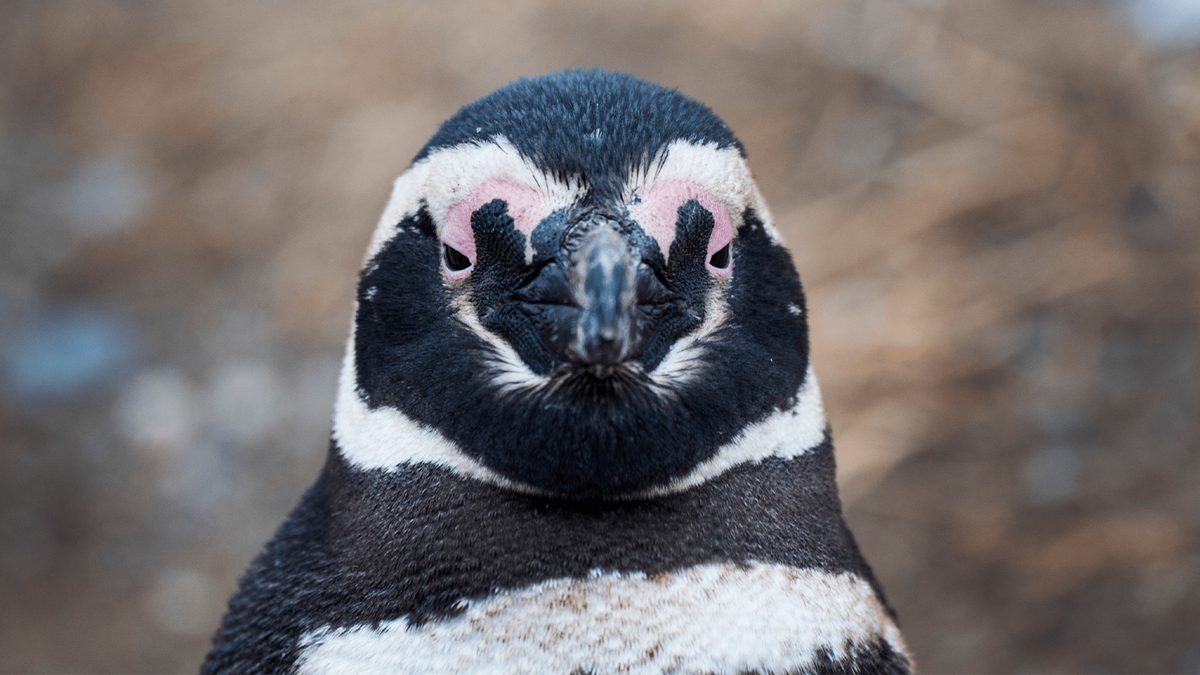
Magellanic penguins (Spheniscus magellanicus) undertake remarkable migrations stretching up to 1,200 miles across open ocean waters. New research published in PLOS Biology (July 17, 2023) by scientists from the Max Planck Institute of Animal Behavior reveals that these penguins strategically use ocean currents to conserve energy while maintaining precise navigation back to their nesting colonies.
Key Details
- The study tracked 27 adult Magellanic penguins from the San Lorenzo colony in Argentina using GPS and inertial measurement unit (IMU) loggers.
- The penguins alternated between direct swimming routes and drifting with tidal currents, adjusting their heading to exploit current flow.
- In calm waters, penguins maintained straight, line-of-sight navigation; in stronger currents, they allowed themselves to be carried partially by the flow to save energy.
- Despite drifting, they compensated for currents to ultimately return accurately to their colonies.
- The study highlights an advanced sensory awareness in penguins of current drift relative to their destination.
Background
Animals have long been known to optimize movement by exploiting environmental physics. For example, migratory birds often fly in "V" formations to reduce aerodynamic drag, while cyclists draft behind others to conserve energy. In marine environments, animals ranging from tiny plankton and jellyfish to massive sea turtles and whales use ocean currents to assist their movements.
Magellanic penguins, weighing about 10 pounds and native to the southern tip of South America, face the challenge of traveling vast distances at sea to forage and return to feed their chicks. Their ability to navigate these journeys efficiently without visible landmarks has intrigued researchers. This study is among the first to demonstrate how these penguins use dynamic ocean forces to their advantage.
Impact Analysis
The findings reveal a sophisticated navigational strategy where penguins not only chart a course home but continually adjust it by sensing and responding to shifting ocean currents. This approach reduces the energetic cost of swimming against strong currents and allows opportunistic foraging when drifting laterally.
“Magellanic penguins finding their way back to their nests from the open ocean subtly adjust their headings to exploit tidal currents, following paths that reduce energy costs while maintaining remarkable accuracy,” said the authors.
Such behavioral flexibility indicates advanced sensory integration, where penguins perceive current forces and incorporate this information into their navigation, even when out of sight of land or their colony.
While the sample size was limited to 27 individuals, the study opens avenues for broader research on marine animal navigation and energy optimization techniques. It also highlights the importance of ocean dynamics in shaping animal movement patterns.
Broader Context
This research contributes to a growing body of knowledge on how marine species exploit physical oceanography to enhance survival. Understanding these mechanisms is crucial, especially in the context of climate change, which is altering ocean current patterns globally. Changes in currents could impact feeding routes, breeding success, and migration of species like Magellanic penguins.
Moreover, insights into animal navigation can inspire biomimetic designs in robotics and autonomous underwater vehicles, improving efficiency in human technology by learning from nature's adaptations.
Future Outlook
The study’s authors advocate for expanded research with larger sample sizes and inclusion of other marine species to deepen understanding of navigation strategies under varying oceanographic conditions. Future research could integrate technologies such as satellite tracking and environmental sensors to correlate penguin movements with real-time ocean current data.
Such work will enrich knowledge of how marine animals respond behaviorally and physiologically to environmental challenges, aiding conservation efforts and ecosystem management.
Conclusion
The discovery that Magellanic penguins cleverly adjust their travel routes to ocean currents represents a significant advance in our understanding of animal navigation and energy conservation at sea. By balancing direct swimming with strategic drifting, these penguins optimize their long-distance journeys, ensuring successful foraging and chick-rearing.
This research not only enhances biological knowledge but also underscores the intricate connection between marine life and ocean dynamics, emphasizing the need to protect these fragile ecosystems amid rapid environmental change.