Landmark Genetic Study Places Bat Origins in Europe, Rewriting Evolutionary History
Introduction
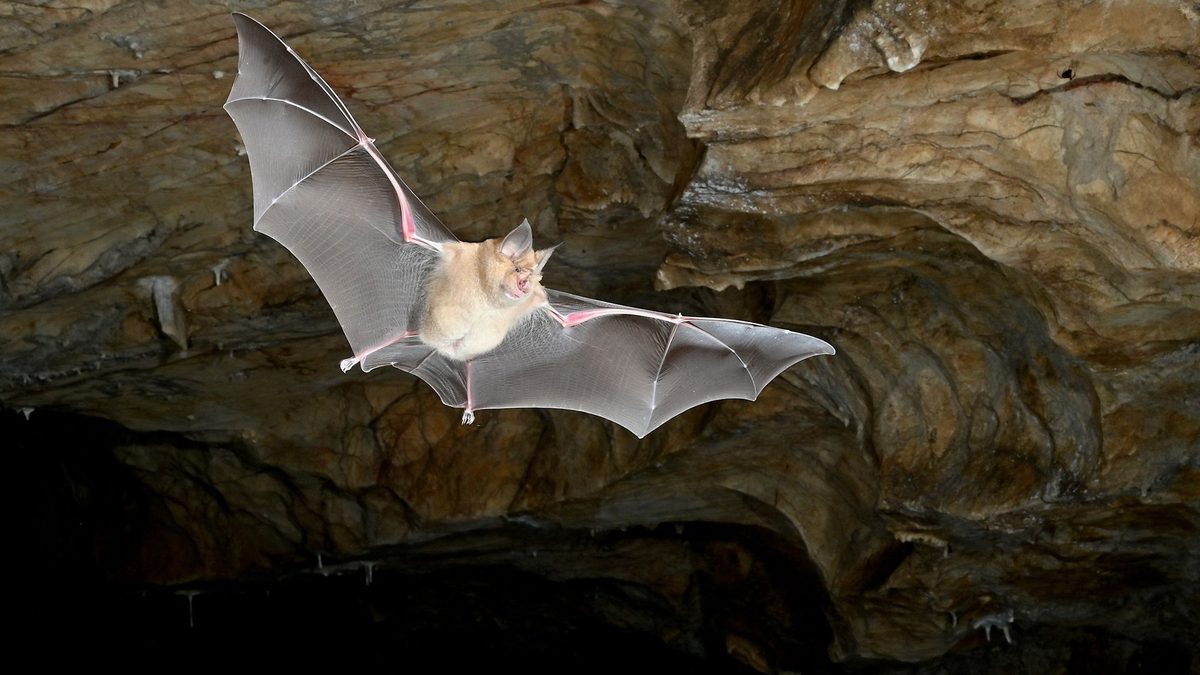
For decades, scientists have been locked in a debate over the evolutionary origins of bats, the only mammals capable of true flight. Previous hypotheses placed their emergence in Asia, Africa, or North America approximately 50 million years ago. However, a groundbreaking study, published in the journal Nature, has potentially settled this long-standing question. By compiling data from an unprecedented 103 bat genomes and 44 fossils, researchers have redrawn the bat family tree, suggesting a surprising origin point in Europe much earlier than previously believed.
Key Details
- The study analyzed 103 bat genomes and 44 fossils, making it the largest dataset of its kind ever compiled.
- Researchers created new, high-quality genome assemblies for 41 bat species, integrating them with existing sequences.
- The analysis points to bats originating in Europe around 65 million years ago.
- It suggests that true flight and echolocation evolved early in bat evolution, around 50 million years ago, rather than multiple times independently.
- The study included representatives from all 21 recognized bat families, featuring remarkable species like the bumblebee bat and the Madagascar sucker-footed bat.
- The international research team comprised 137 scientists affiliated with the Bat1K project.
Background
Understanding the evolutionary path of bats has been a complex puzzle. The unique adaptations of bats, including powered flight and sophisticated echolocation, have long fascinated biologists. These traits, along with their remarkable longevity and resistance to diseases, have made them a subject of intense scientific scrutiny. However, conflicting genetic data and fossil evidence have historically made it difficult to establish a definitive evolutionary timeline and geographic origin. The Bat1K project, an ambitious international collaboration, aimed to resolve these ambiguities by generating a comprehensive genomic and fossil record.
Impact Analysis
The implications of this study are profound, fundamentally altering our understanding of mammalian evolution. The proposed European origin challenges established biogeographical models and suggests a different dispersal pattern for early mammals. The confirmation that key traits like flight and echolocation evolved early and were present in the common ancestor of all bats provides a unified explanation for their subsequent diversification and success. This resolves the debate about whether these complex abilities evolved multiple times independently, a scenario that seemed less parsimonious.
“It is extraordinary,” study co-author Emma Teeling, a professor of molecular evolution and mammalian phylogenetics at University College Dublin, stated. “after decades of research and conflicting findings, we finally have uncovered how and when bats evolved.”
The study highlights the importance of integrating genomic data with fossil evidence. The inclusion of a 50 million-year-old fossil from southern France, Vielasia sigei, which exhibits signs of advanced echolocation, strongly supports the early evolution of this trait. This fossil’s placement on the oldest branch of the bat family tree indicates that echolocation was not a later adaptation but a foundational characteristic.
Broader Context
Bats play crucial roles in ecosystems worldwide, acting as pollinators, seed dispersers, and natural pest controllers. Their unique biological traits, such as long lifespans and remarkable disease resistance, also hold potential lessons for human health. The genomic resource developed for this study provides a foundation for future research into the genetic underpinnings of these extraordinary adaptations. Understanding how bats achieve such longevity and resilience could inspire novel approaches to combating aging and disease in humans.
Future Outlook
While this study represents a significant leap forward, the researchers emphasize that it is just the beginning. The next steps involve further refining the bat family tree, identifying the precise ancestor of all living bats, and delving deeper into the genetic mechanisms behind their unique traits. The genomic data generated will be invaluable for conservation efforts, helping to identify vulnerable populations and inform strategies for protecting these vital creatures. The potential for bat-inspired biomedical advancements also remains a compelling area for future exploration.
Conclusion
This landmark genetic and fossil study has redrawn the evolutionary map for bats, placing their origins in Europe approximately 65 million years ago and confirming the early development of flight and echolocation. The comprehensive dataset and robust analysis provide a much-needed resolution to decades of debate, offering a clearer picture of how these fascinating mammals evolved and diversified. The findings not only reshape evolutionary biology but also open new avenues for understanding bat biology and its potential applications for human well-being and conservation.
Source: livescience.com