Jennifer Love Hewitt Opens Up About Navigating Early 2000s Media Misogyny and Body Politics
Jennifer Love Hewitt Opens Up About Navigating Early 2000s Media Misogyny and Body Politics
Introduction
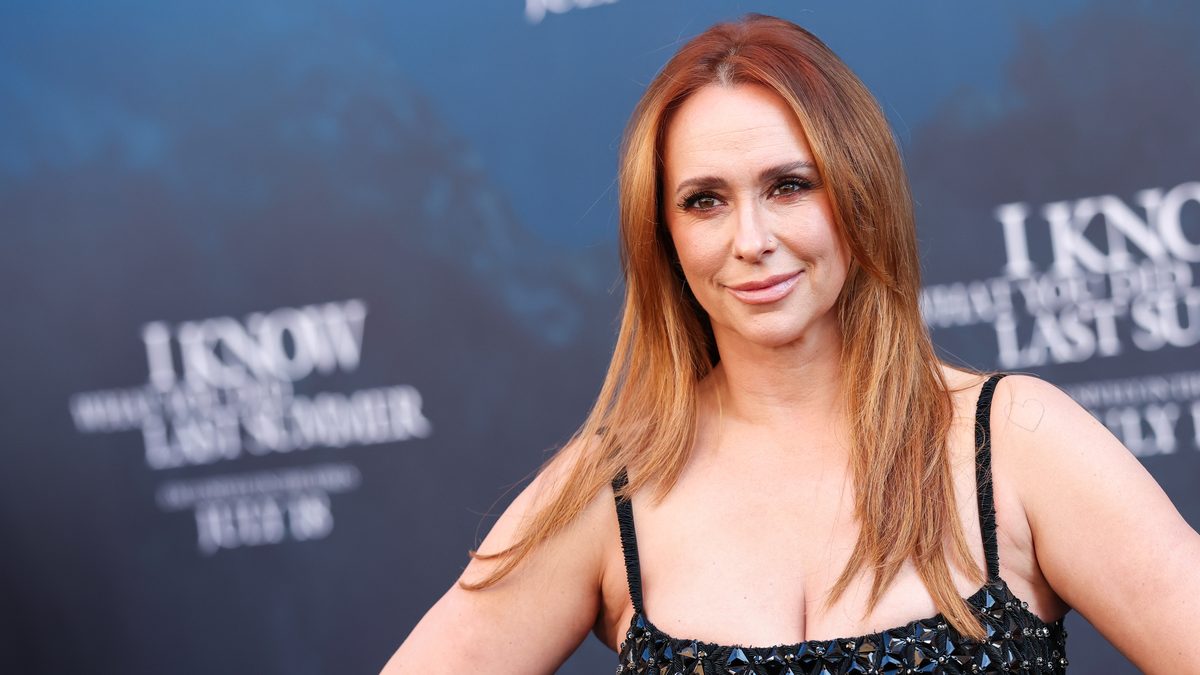
Jennifer Love Hewitt, an actress and singer who rose to prominence in the late 1990s, has opened up about the challenging experiences she faced as a young woman in Hollywood during the early 2000s. In a recent in-depth profile with Vulture coinciding with the release of the legacy sequel featuring her iconic "scream queen" character Julie James, Hewitt candidly reflected on the misogynistic attitudes that permeated the media coverage of female celebrities at the time. Her remarks shed light on the pervasive objectification and double standards that shaped her early career and public image.
Key Details
- Jennifer Love Hewitt's rise to fame began in the late 1990s with roles in television series like "Party of Five" and movies such as "I Know What You Did Last Summer."
- She was subjected to intense scrutiny by tabloids and paparazzi, especially focusing on her appearance and personal life rather than her professional achievements.
- Hewitt described this period as a time when she felt compelled to "outact the conversation around my body," highlighting her struggle to be recognized for her talent rather than her looks.
- The early 2000s media environment often reduced young actresses to superficial stereotypes, contributing to a culture of bubblegum misogyny.
- Her recent interview coincides with renewed interest in her career due to the legacy sequel, offering a platform to revisit and analyze these enduring issues.
Background
Jennifer Love Hewitt emerged as a notable figure in Hollywood towards the end of the 1990s. Her early roles positioned her as a youthful and relatable star, yet the transition from teenage actress to adult performer coincided with an era in entertainment media notorious for its harsh treatment of women. The early 2000s, marked by the rapid rise of tabloid journalism and paparazzi culture, amplified the pressures on female celebrities to conform to narrow beauty standards and to manage invasive public scrutiny.
During this time, actresses like Hewitt frequently found themselves the subjects of reductive and often demeaning commentary that prioritized their physical appearance over their artistry. This phenomenon, sometimes referred to as "bubblegum misogyny," was characterized by a blend of trivialization and objectification, particularly in outlets aimed at young audiences. Hewitt’s experience was emblematic of a broader systemic problem faced by many women in the entertainment industry.
Analysis
Hewitt’s reflection on trying to "outact the conversation around my body" reveals the complex dynamics at play between a young female star and the media machinery. It underscores the tension between personal agency and external narratives that shape public personas. While Hewitt sought to assert her creative identity through her performances, media focus often remained fixated on her appearance and personal life, limiting the scope of her public image.
This scrutiny is not unique to Hewitt but reflects a persistent challenge within Hollywood: the objectification of women and the erasure of their multifaceted talents. The early 2000s media landscape was especially unforgiving, as the convergence of tabloid culture and digital media expansion created an environment where invasive coverage became normalized and even expected.
In recent years, there has been growing awareness and critique of such media practices, fueled by broader societal conversations around gender equality, body positivity, and respectful representation. Hewitt’s comments contribute to this important discourse by providing a firsthand account of the personal toll exacted by these dynamics and the resilience required to navigate them.
Conclusion
Jennifer Love Hewitt’s candid reflections offer valuable insight into the misogynistic media environment of the early 2000s and the challenges faced by women in Hollywood. As the industry continues to evolve, her story serves as both a cautionary tale and a testament to perseverance. The legacy sequel bringing back her character Julie James not only rekindles interest in her career but also invites a deeper conversation about how female celebrities are portrayed and respected in the media. Hewitt’s experience underscores the ongoing need to challenge harmful stereotypes and to celebrate women’s artistic contributions beyond superficial narratives.