Local Cinema Triumphs: ‘The Lychee Road’ Tops China Box Office with Impressive Debut
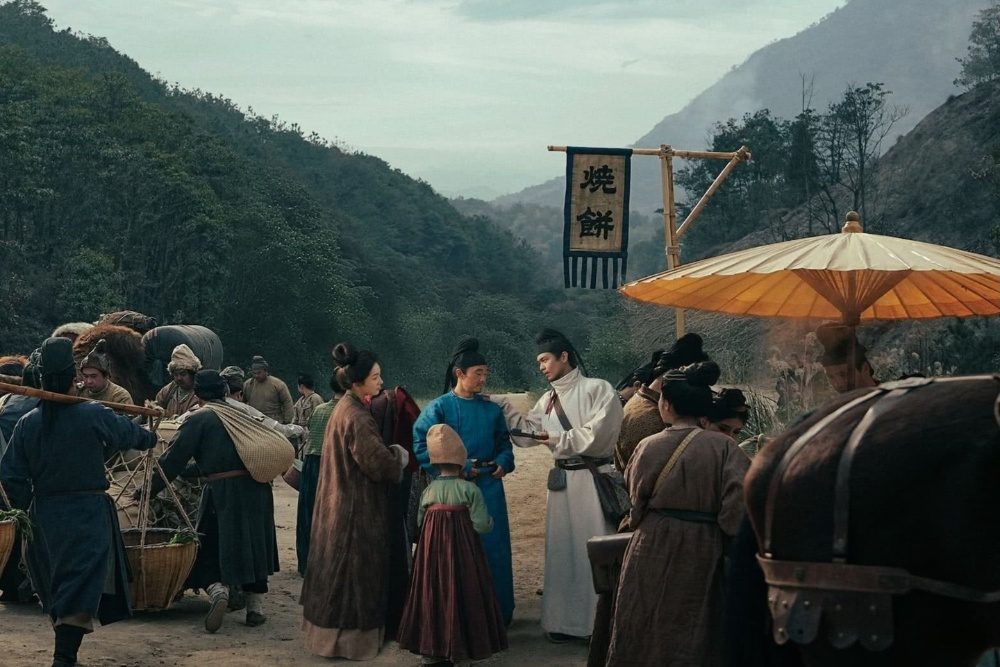
Introduction
The Chinese film market experienced a notable boost during the weekend of July 18–20, driven predominantly by local-language productions. Among these, the period drama ‘The Lychee Road’ emerged as the highest-grossing film, signaling strong domestic audience support for homegrown cinema amidst competition from international titles.
Key Details
- Box office total: RMB170.3 million ($23.7 million) during the opening weekend
- Cumulative gross including previews: $31.7 million
- Distributor: Aimmedia Pictures
- Data source: Artisan Gateway
- Genre: Period drama
Background
The Chinese film industry has been gradually recovering from the disruptions caused by the COVID-19 pandemic, with the domestic market rebounding faster than many international counterparts. The government’s continued emphasis on promoting local culture and stories has helped fuel audience interest in Chinese-language films. Historically, summer months serve as a high point for box office revenues in China, with increased consumer spending and relaxed restrictions on public gatherings contributing to theater attendance.
‘The Lychee Road,’ distributed by the reputable Aimmedia Pictures, taps into this trend by offering a period drama that resonates culturally and historically with Chinese audiences. Period dramas often draw strong viewership in China due to their blend of historical intrigue, rich storytelling, and visual appeal.
Analysis
The success of ‘The Lychee Road’ signifies several important trends in China’s entertainment landscape. First, it underscores the growing appetite among Chinese audiences for high-quality domestic productions that reflect their own history and culture. The film’s strong opening weekend performance, with RMB170.3 million earned, highlights the effectiveness of localized content in drawing significant crowds.
Furthermore, the film’s cumulative total of $31.7 million including previews suggests positive word-of-mouth and a strong marketing campaign. This level of performance positions ‘The Lychee Road’ as a potential long-runner, which could influence distributors and producers to invest more into similar locally themed projects.
From a broader perspective, the dominance of local-language films over the weekend indicates a shift in consumer preference. While international blockbusters continue to draw attention, domestic films are increasingly capturing the box office spotlight in China, reflecting both cultural pride and evolving market dynamics. This pattern aligns with government policies aimed at strengthening China’s cultural soft power and the domestic film industry’s infrastructure.
Conclusion
The weekend box office surge in China, led by ‘The Lychee Road,’ marks a pivotal moment for the country’s film industry. With RMB170.3 million in ticket sales and a growing cumulative total, the film’s success exemplifies the rising dominance of Chinese-language cinema among local audiences. As the market continues to recover and evolve, industry stakeholders are likely to prioritize homegrown narratives that resonate culturally and commercially. This trend not only fosters national cultural identity but also enhances China’s position in the global entertainment arena.
Looking ahead, the performance of ‘The Lychee Road’ may encourage filmmakers to explore more period dramas and culturally significant stories, potentially shaping the future content landscape in China’s vibrant film market.