Discovery of Underwater Volcanic Brine Pools in the Red Sea Sheds Light on Extreme Marine Ecosystems
Introduction
The recent discovery of underwater brine pools in the Red Sea, fed by volcanic activity, presents an exciting frontier in marine science. These hypersaline pools, lying on the seabed, create extreme environmental conditions that challenge life yet may harbor unique biological communities. Understanding these ecosystems offers insight into life's adaptability and potential analogs for extraterrestrial habitats.
Key Details
- Expedition teams identified multiple brine pools in the Red Sea with salinity levels significantly higher than the surrounding seawater.
- Geochemical analysis indicates the brine pools are sustained by hydrothermal fluids originating from underwater volcanic activity.
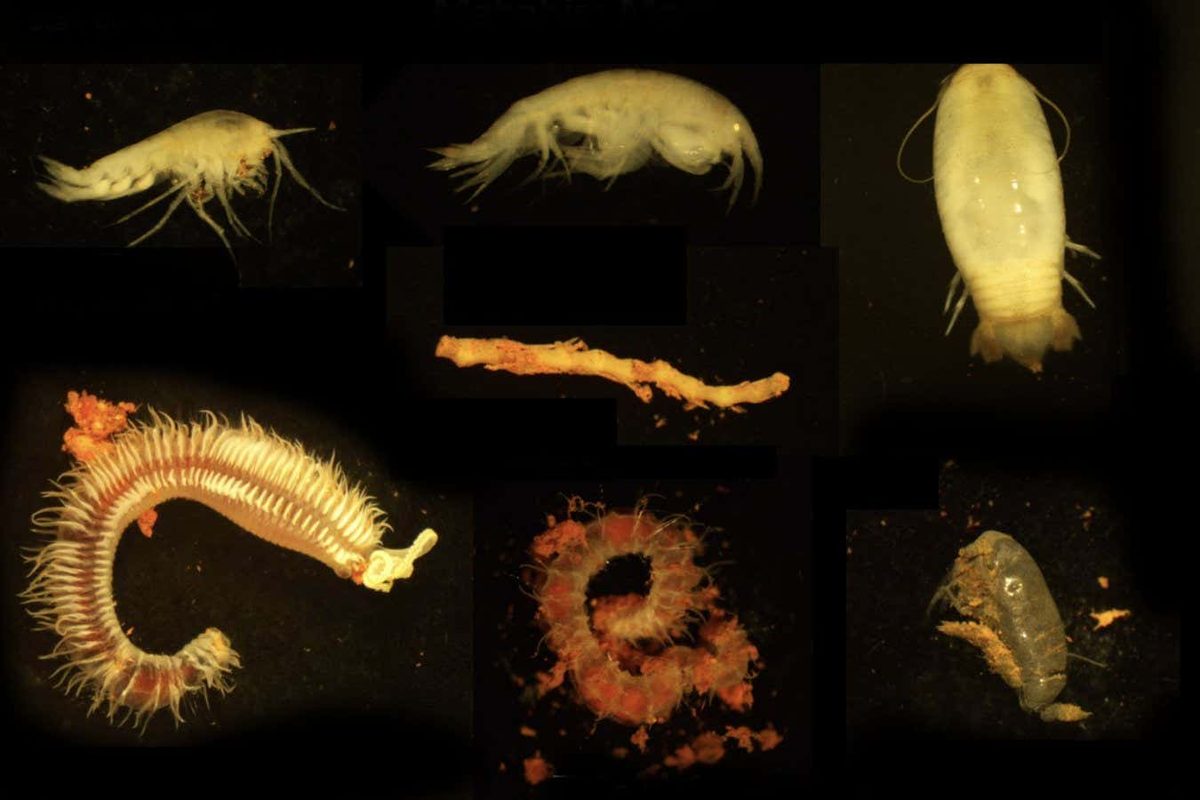
- Preliminary biological surveys suggest the presence of specialized microbes and possibly small animals adapted to the harsh, anoxic, and saline conditions.
- These environments resemble other extreme habitats, such as deep-sea hydrothermal vents and hypersaline lakes, known to support extremophiles.
Background
Brine pools are bodies of highly saline water found on the seafloor, often formed where salt deposits dissolve or where hypersaline water accumulates due to unique geological processes. In some regions, hydrothermal vents linked to volcanic activity release mineral-rich fluids, creating localized environments with temperatures, salinity, and chemical compositions vastly different from typical seawater. The Red Sea, a geologically active rift zone, is known for its unique marine settings. Previous studies have documented hydrothermal vents and brine lakes, but the presence of volcanic-fed brine pools adds a new dimension to understanding the diversity of extreme habitats in this region.
Analysis
The discovery is significant for several reasons. Firstly, it expands the known range of habitats where life can thrive under extreme conditions. The combination of high salinity, elevated temperatures, and toxic chemical concentrations in volcanic brine pools demands extraordinary biological adaptations. Microbial life forms found here could possess unique metabolic pathways, such as chemosynthesis, enabling them to utilize inorganic compounds for energy in the absence of sunlight.
Secondly, these ecosystems provide natural laboratories for studying evolution and survival strategies under environmental stress. Insights gained can inform broader fields such as astrobiology, as similar extreme conditions may exist on ocean worlds like Europa or Enceladus, moons of Jupiter and Saturn respectively.
Finally, understanding these habitats contributes to our knowledge of biogeochemical cycles in the ocean, including nutrient flux, carbon cycling, and the potential for novel bioactive compounds with pharmaceutical applications.
Conclusion
The finding of underwater volcanic brine pools in the Red Sea underscores the complexity and resilience of life on Earth. As research continues, scientists anticipate uncovering new species and biochemical processes that may redefine biological limits. This discovery not only enriches marine biology and geology but also fuels curiosity about life's potential beyond our planet.