Current Extinction Rates 100 to 1,000 Times Higher, yet Sixth Mass Extinction Not Confirmed
Introduction
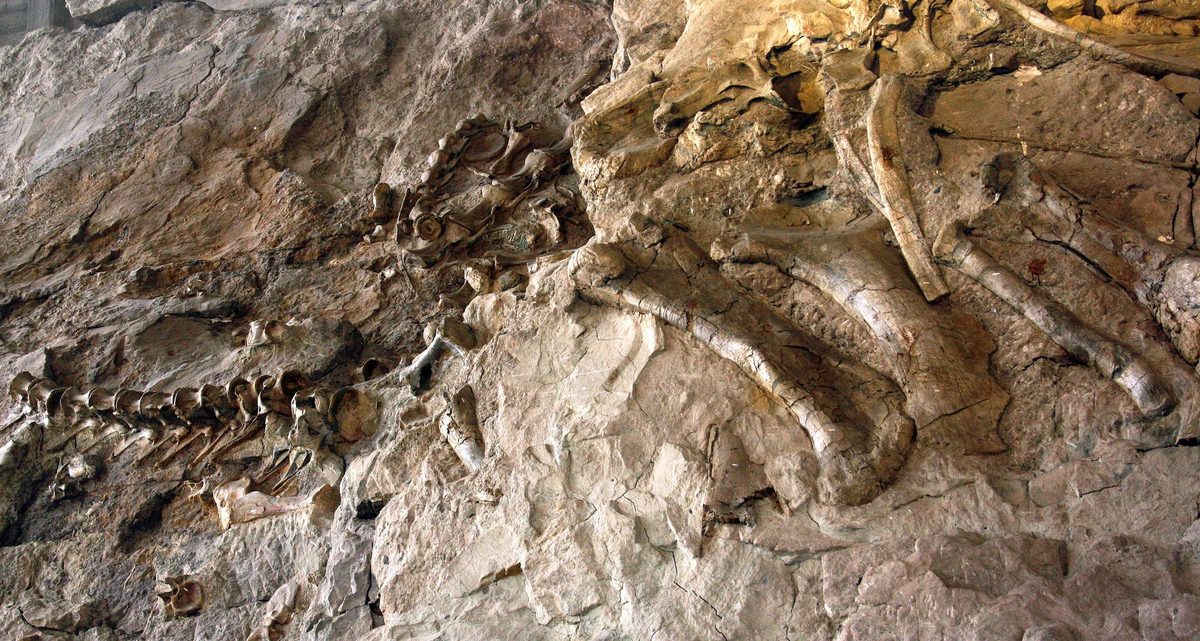
About 66 million years ago, Earth experienced one of history's most catastrophic mass extinctions when a six-mile-wide asteroid struck, ending the era of the dinosaurs and wiping out roughly 75 percent of all species. Since then, geological evidence identifies at least five major mass extinctions driven by volcanic activity, climatic upheaval, and atmospheric shifts, each eliminating vast proportions of life on the planet.
Today, many biologists and ecologists warn that human activities may have initiated a sixth mass extinction — commonly referred to as the Holocene or Anthropocene extinction. This event, unlike previous ones caused by natural disasters, is driven primarily by hunting, habitat destruction, invasive species, overexploitation, and climate change. This article delves into the evidence, scientific debate, and implications surrounding this crucial issue.
Key Details
- Historical mass extinctions eliminated at least 75% of species in large-scale cataclysms over thousands to millions of years.
- Current extinction rates are estimated between 100 to 1,000 times higher than natural background rates, according to multiple studies.
- The International Union for Conservation of Nature (IUCN) reports fewer than 1,000 confirmed extinctions in the last 500 years — only 0.1% of known species.
- Precise figures are difficult due to incomplete species cataloging, strict extinction criteria, and biases toward certain taxa and regions.
- Threatened species numbers suggest faster future losses; if current trends continue, some estimates predict 75% species loss within several centuries.
- Conservation efforts have achieved notable successes, such as the recovery of some whale populations and savanna elephants.
Background
Mass extinctions are characterized by the rapid loss of a significant portion of global biodiversity, historically evidenced by the fossil record. Five such events are well-documented, each dramatically reshaping life on Earth. However, extinction is also a normal evolutionary process, where species compete and adapt, leading some towards extinction while others diversify.
Natural extinction rates average approximately two vertebrate species lost per 10,000 per century, but modern analyses suggest current losses far surpass this background rate. Studies highlight that extinction rates for vertebrates range from eight to 100 times background rates, with some analyses suggesting up to 1,000 times higher. This discrepancy largely arises from difficulties in measuring baseline extinction rates and ongoing species assessments.
Impact Analysis
The current crisis is undeniable in terms of increasing extinction rates and biodiversity decline. Experts such as John Wiens, an evolutionary ecologist, label the present moment a “biodiversity crisis” and “extinction crisis” but hesitate to confirm a full-fledged mass extinction event due to data limitations. Confirmed extinctions remain a fraction of the 75 percent threshold typically associated with mass extinctions.
Importantly, many species currently threatened with extinction represent a form of “extinction debt,” where populations are so reduced and fragmented that their demise is highly probable even if not yet confirmed. This latent loss underscores the urgency of conservation action but also indicates uncertainty in exactly when or how mass extinction might officially be declared.
Conversely, conservation efforts have shown the power of coordinated human intervention. Recovery stories of certain marine mammals and elephants reveal that while extinction risks are high, proactive strategies can reverse declines and stabilize populations.
Broader Context
Ecological interdependencies complicate the prognosis. Coral reefs, essential to ocean biodiversity, are collapsing due to warming, acidification, and other stressors. Their loss would jeopardize myriad species reliant on reef ecosystems, with cascading effects potentially extending to terrestrial environments. The 2020 IPBES report emphasized that approximately 25 percent of species across plant and animal groups face extinction without intervention, and this figure could worsen drastically if climate change accelerates biodiversity loss.
Additionally, scientific debates persist regarding the definitive classification of a current mass extinction. Paleontologists require a retrospective perspective to confirm mass extinctions—only ascertainable when the full extent of species loss is clear. This means that while the signs of crisis are evident today, official recognition of a sixth mass extinction remains uncertain.
Future Outlook
The trajectory of extinction rates depends heavily on global conservation efforts, climate change mitigation, and sustainable resource management. If threatened species go extinct at predicted rates, Earth may see over 75 percent species loss in select groups in under 550 years, an unprecedented loss in human history.
However, experts caution against resignation. Stuart Pimm, a conservation biologist, highlights that the future is unpredictable and that many possibilities remain to prevent large-scale biodiversity collapse. The balance between ongoing species extinctions and successful recoveries will shape ecosystems and the services they provide, directly affecting human wellbeing.
Moreover, nuanced understandings of extinction risks—such as recognizing local population declines alongside global species loss—illustrate that biodiversity reductions can significantly disrupt ecosystems even without total species extinction.
Conclusion
Earth is experiencing an unprecedented biodiversity decline driven largely by human activities, with extinction rates far exceeding natural background levels. While the fifth known mass extinction killed roughly three-quarters of species rapidly, the current situation does not yet meet the strict paleontological criteria for a sixth mass extinction event. Nonetheless, the accelerating loss of species represents a deepening crisis for the biosphere and humanity.
Scientific uncertainty about exact extinction rates and future trajectories should not delay action. Conservation successes demonstrate that targeted interventions can make a difference. The coming decades will be critical in shaping whether this period becomes a catastrophic mass extinction or a turning point toward ecological recovery.
“The biodiversity crisis is a pretty accurate term to describe the present moment,” says evolutionary ecologist John Wiens. “There’s a lot of things we can do — it’s not inevitable.”