AI Advances in Sports: Predicting Penalty Kicks with Surprising Accuracy
AI Advances in Sports: Predicting Penalty Kicks with Surprising Accuracy
Introduction
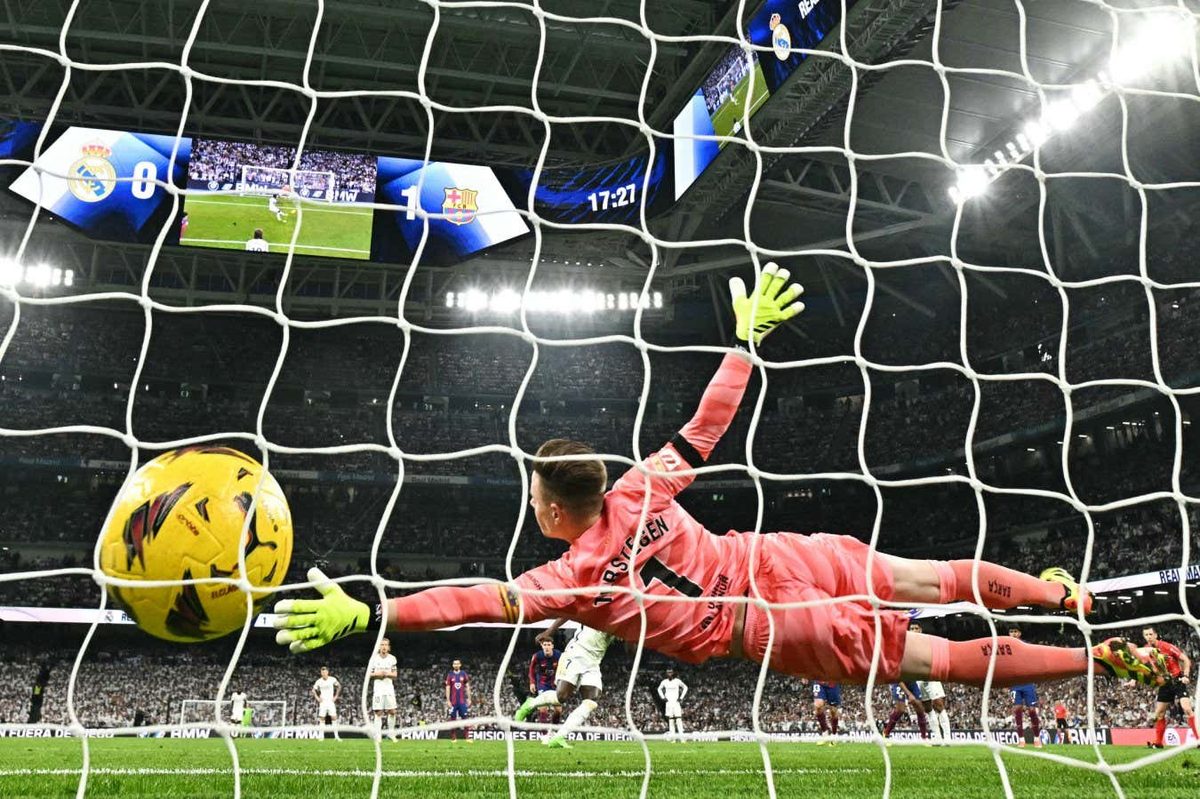
In the ever-evolving landscape of sports analytics, artificial intelligence (AI) is increasingly making its mark. A recent breakthrough highlights the capabilities of a deep learning model that can predict the direction of penalty kicks with an impressive accuracy rate of 64%. This finding not only has implications for goalkeepers and players but also opens a dialogue on the potential integration of AI in sports strategy and training.
Key Details
- The deep learning model was trained on a vast dataset comprising videos of penalty kicks from various leagues.
- Using advanced image recognition techniques, the AI analyzes players’ body language, positioning, and previous tendencies.
- This model can deliver real-time insights during matches, potentially altering how goalkeepers approach penalties.
- The accuracy level of 64% suggests a significant potential for improvement and further development in predictive analytics in sports.
Background
The idea of using AI in sports is not new, but its application in predicting specific outcomes such as penalty kick directions is groundbreaking. Traditionally, goalkeepers rely on their intuition and experience, often basing their decisions on the player's historical performance or visible cues just before the kick. However, the integration of AI shifts this paradigm, providing tangible data that can enhance a goalkeeper's chances of saving a penalty.
The deep learning model developed for this study utilizes a combination of computer vision and machine learning. By examining thousands of penalty kick videos, the AI identifies patterns that may not be readily observable to human analysts. This method goes beyond simple statistics; it captures the nuances of each player's kicking style, body movements, and even psychological tendencies.
Analysis
The implications of this technology extend far beyond just improving goalkeeping skills. Teams could leverage AI predictions to inform their training sessions, focusing on specific tendencies of penalty takers. Coaches may design drills that simulate likely scenarios based on AI predictions, leading to more prepared players during high-pressure situations.
Furthermore, this advancement prompts a larger conversation about the role of technology in sports. While some purists may view AI as a way of undermining traditional skills, proponents argue that it enhances athletic performance by providing data-driven insights. The challenge lies in finding a balance between human intuition and machine learning.
Interestingly, the 64% accuracy rate, while impressive, also highlights the limitations of current AI models in predicting human behavior, which is inherently complex. Future iterations of the model may involve more sophisticated algorithms that account for psychological factors, such as a player's state of mind during a penalty shootout. Coaches and teams will need to consider these nuances as they integrate AI into their strategies.
Conclusion
The emergence of AI in sports prediction, particularly in scenarios as critical as penalty kicks, represents a significant milestone in sports technology. As teams begin to adopt these innovations, the landscape of athletic performance may change dramatically. Whether this technology will redefine the role of goalkeepers or become just another tool in an athlete's toolkit remains to be seen. However, one thing is clear: AI is here to stay, and its applications will undoubtedly evolve and expand in the world of sports.