Apple Reportedly Developing iPhone Game Controllers Under Beats Brand
Introduction
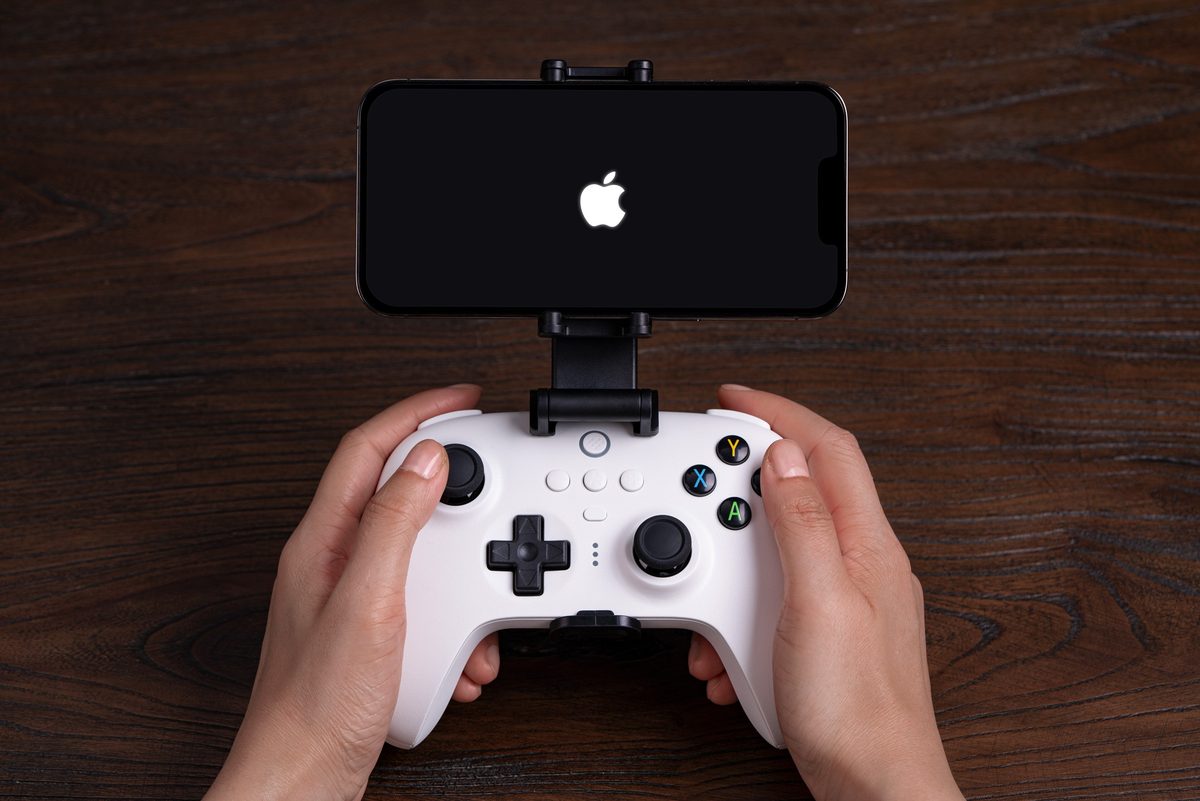
Whispers of Apple’s potential entry into the gaming accessory market have been growing, and recent reports suggest the tech giant is actively developing dedicated game controllers for its iPhone lineup. According to Bloomberg’s Mark Gurman, Apple is working on two distinct controller models, which are slated to be released under the popular Beats brand. This strategic decision could allow Apple to tap into the burgeoning mobile gaming sector without diluting its premium Apple-branded offerings.
Key Details
- Product Development: Apple is reportedly designing two distinct game controllers.
- Target Device: The controllers are intended for use with iPhones.
- Branding Strategy: The accessories are likely to be marketed under the Beats brand, Apple’s audio subsidiary.
- Development Leadership: Executives within the Beats division are reportedly spearheading this initiative.
- Code References: Evidence of these controllers was found in macOS 26.7 code, identified as first-party devices.
Background
Rumors about Apple’s interest in game controllers have been circulating for some time, but concrete evidence has been scarce until recently. The discovery of references to two game controllers within macOS 26.7 by MacRumors provided the first tangible indication of Apple’s intentions. While the code was found in macOS rather than iOS, Mark Gurman clarifies that the controllers are indeed designed for iPhones. This suggests a strategic move to enhance the iPhone’s gaming capabilities, transforming it into a more capable handheld gaming device.
The decision to brand these controllers under Beats is particularly noteworthy. Apple has historically used its subsidiary brands to explore new product categories or to compete in markets where a lower price point is crucial. Beats, known for its headphones and audio accessories, has already expanded its product line to include items like iPhone cases and USB-C cables that deviate from Apple’s typical design ethos. This precedent suggests that Apple views the gaming controller market as one where affordability and a distinct brand identity are key to success.
“For example, Beats now sells a range of iPhone cases and USB-C cables that don’t necessarily fit Apple’s usual approach to design. A controller makes sense in that context. To reach a broad audience, it has to be relatively affordable, which means avoiding some of the more expensive materials and finishes typically associated with Apple products. The culture and lifestyle around gaming controllers also could fit naturally under the Beats umbrella.”
Impact Analysis
The introduction of official iPhone game controllers could significantly impact the mobile gaming landscape. Currently, iPhone gamers often rely on third-party controllers or resort to on-screen touch controls, which can be imprecise and less immersive. Dedicated Apple-designed controllers, even under the Beats brand, would likely offer improved ergonomics, better responsiveness, and seamless integration with iOS. This could elevate the gaming experience, potentially attracting more serious gamers to the platform and encouraging the development of more sophisticated mobile games that take advantage of controller input.
Furthermore, leveraging the Beats brand allows Apple to position these controllers at a more accessible price point. High-end Apple products are often characterized by premium materials and cutting-edge technology, which can lead to higher costs. By using Beats, Apple can potentially offer controllers that are competitive with existing third-party options, making advanced mobile gaming more attainable for a wider consumer base. This strategy also helps protect the premium image of the core Apple brand.
Broader Context
The mobile gaming industry has experienced explosive growth, with smartphones becoming the dominant gaming platform for many consumers worldwide. Apple, with its vast iPhone user base, is well-positioned to capitalize on this trend. While the company has historically focused on its hardware and software ecosystem, expanding into gaming accessories represents a logical next step. It aligns with Apple’s strategy of creating a comprehensive user experience across its devices and services, including Apple Arcade, its subscription gaming service.
The move also reflects a broader industry trend of hardware manufacturers diversifying their product portfolios to include accessories that enhance the primary device’s functionality. For instance, console manufacturers like Sony and Microsoft offer a wide range of official controllers and accessories. Apple’s entry, even through Beats, signals a serious commitment to the gaming space, potentially spurring further innovation in mobile gaming hardware.
Future Outlook
If these controllers prove successful, it could pave the way for further Apple involvement in the gaming hardware market. This might include more advanced controllers, dedicated gaming peripherals, or even deeper integration with Apple Arcade. The success of the Beats-branded controllers will likely depend on their performance, price, and how well they integrate with the growing library of iOS games, particularly those optimized for controller input. The company’s ability to execute this strategy could redefine mobile gaming expectations and solidify the iPhone’s position not just as a communication device, but as a powerful, versatile gaming console.
Conclusion
Apple’s reported development of iPhone game controllers under the Beats brand marks a significant potential expansion into the lucrative gaming accessory market. By utilizing Beats, Apple aims to offer affordable, high-quality controllers that enhance the iPhone gaming experience. This strategic move, driven by insights from industry analysts like Mark Gurman and supported by code discoveries, could reshape mobile gaming by providing seamless integration and improved gameplay, ultimately strengthening Apple’s ecosystem and its position in the global gaming industry.
Source: theverge.com

.webp)