Vimeo Reinstates Apple TV App Two Years After Removal, Enhancing Accessibility for Users
Introduction
Vimeo, once known primarily as a video-sharing platform, has recently reintroduced its Apple TV app two years after discontinuing support for all its TV applications. This decision marks a subtle but significant shift in the company’s approach to content accessibility, balancing its enterprise service orientation with user convenience. While Vimeo has long moved away from competing with giants like YouTube, its return to dedicated TV apps reflects an acknowledgment of user demand for streamlined, television-based viewing experiences.
Key Details
- Vimeo ended support for all TV apps, including Apple TV, in 2023.
- The new Apple TV app requires tvOS 18 or later and a free Vimeo account.
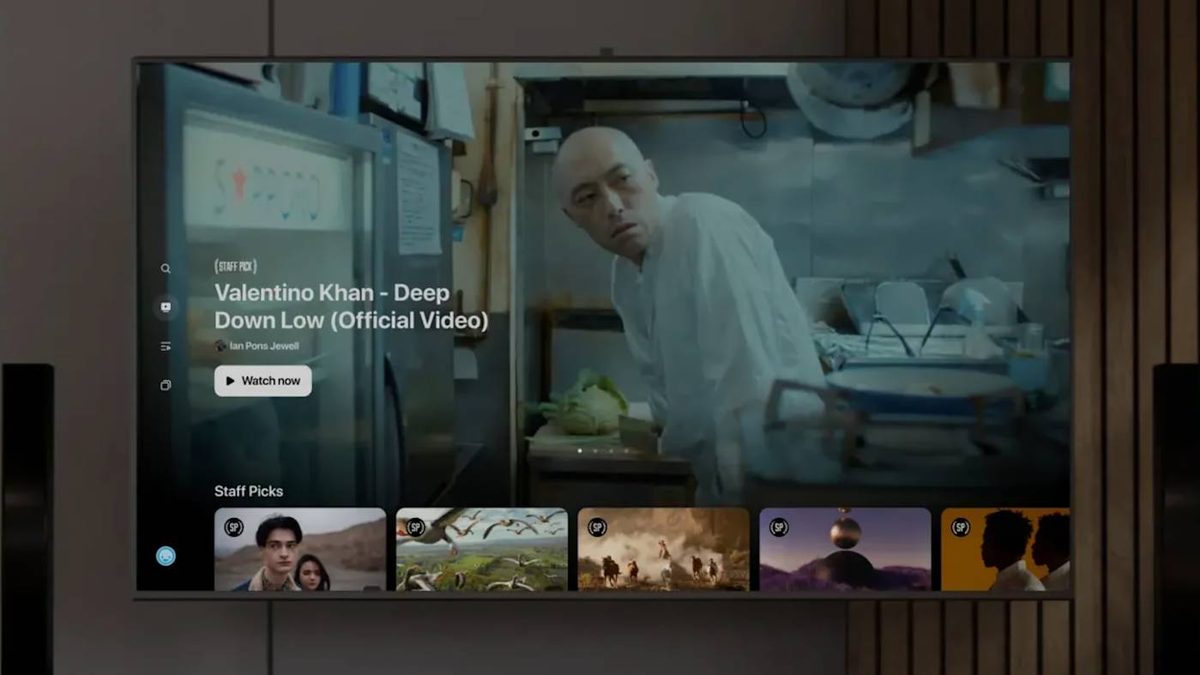
- The app offers access to Vimeo’s curated Staff Picks, personal video libraries, and watchlists.
- Features include enhanced playback options such as chapters, speed controls, and multi-language support.
- Vimeo’s strategic pivot towards enterprise video hosting and streaming services began in 2017.
Background
Originally launched as a platform for creative video sharing, Vimeo made a strategic pivot in 2017 to focus less on competing with YouTube and more on providing professional-grade video hosting and streaming solutions for businesses and creatives. This shift included offering tools for companies to host, sell, and even build their own streaming services. As part of this transition, Vimeo discontinued its TV apps in 2023, encouraging users to cast video from smartphones or tablets rather than using native applications on smart TVs or streaming devices.
However, this approach was met with mixed responses. TV apps generally offer a more seamless and user-friendly interface for watching videos on a large screen, a convenience casting solutions often lack. Recognizing this, Vimeo has now restored its Apple TV app, aiming to enhance the user experience without reversing its core business orientation.
Impact Analysis
The reintroduction of the Apple TV app is a pragmatic move acknowledging the importance of multi-platform accessibility in today’s media consumption landscape. For individual users, especially creatives and small businesses that use Vimeo as a portfolio or sales platform, having a TV app simplifies viewing and showcasing content at home or in meetings. It removes the friction of relying on casting, which can be less reliable or intuitive.
"The rebuilt Vimeo Apple TV app lets you access Vimeo's curated library of Staff Picks, your personal library of uploaded videos and anything you've saved to your watchlist to watch later," Vimeo announced, emphasizing enhanced playback features such as chapters and multi-language support.
From a strategic perspective, this move does not signal a full return to consumer-focused video sharing but rather a recognition that supporting a diverse range of devices can complement Vimeo’s business-oriented goals. It may also help retain and attract users who appreciate the platform’s unique content and capabilities but prefer the convenience of traditional TV viewing.
Broader Context
The streaming and video hosting market has become increasingly competitive, with platforms constantly adapting to user preferences and device ecosystems. While YouTube remains dominant as a consumer video platform, Vimeo’s niche lies in professional content creation and enterprise solutions. This includes live streaming, video monetization, and customizable streaming services, positioning Vimeo as a B2B service rather than a mass-market entertainment provider.
The reintroduction of the TV app can be viewed within this context as a tool to enhance the platform’s versatility. In a market where viewers increasingly expect seamless integration across smartphones, tablets, computers, and TVs, failing to support native TV apps risks user dissatisfaction and potential migration to competitors.
Future Outlook
Looking ahead, Vimeo may continue to develop its TV app offerings or expand to other platforms if the Apple TV app proves successful. The company’s focus will likely remain on serving professional creators and businesses, but enhanced consumer accessibility could drive greater engagement and brand loyalty. Monitoring user feedback and adoption rates will be critical in determining whether this move evolves into a broader strategy or remains a convenience feature.
For now, Vimeo users with Apple TV devices running tvOS 18 or later can enjoy easier access to the platform’s rich content library and personalized video collections, bridging the gap between Vimeo’s enterprise ambitions and everyday user convenience.
Conclusion
Vimeo’s decision to reinstate the Apple TV app after a two-year hiatus illustrates a pragmatic response to user needs and technological trends. While the platform remains committed to its enterprise and professional focus, supporting native TV applications improves accessibility and user experience. This development highlights Vimeo’s ability to adapt flexibly within a complex and evolving digital video ecosystem, benefiting both creators and viewers alike.