Intel to Reduce Workforce by 31% by 2025 Amid Major Restructuring
Introduction
In a significant shift for the tech giant, Intel Corp. has revealed its intention to dramatically reduce its workforce by approximately 31% by the end of 2025. This announcement came alongside the company’s second-quarter earnings report, highlighting both a strategic pivot within the organization and the challenges it faces in a competitive semiconductor industry.
Key Details
- Intel plans to cut its workforce from about 108,900 to 75,000 employees by the end of 2025.
- The company aims to lower its non-GAAP operating expenses from $17 billion this year to $16 billion by 2026.
- Intel is halting expansions in Germany and Poland and consolidating operations in Costa Rica to Vietnam and Malaysia.
- The construction pace for its facility in Ohio will also be slowed down.
Background
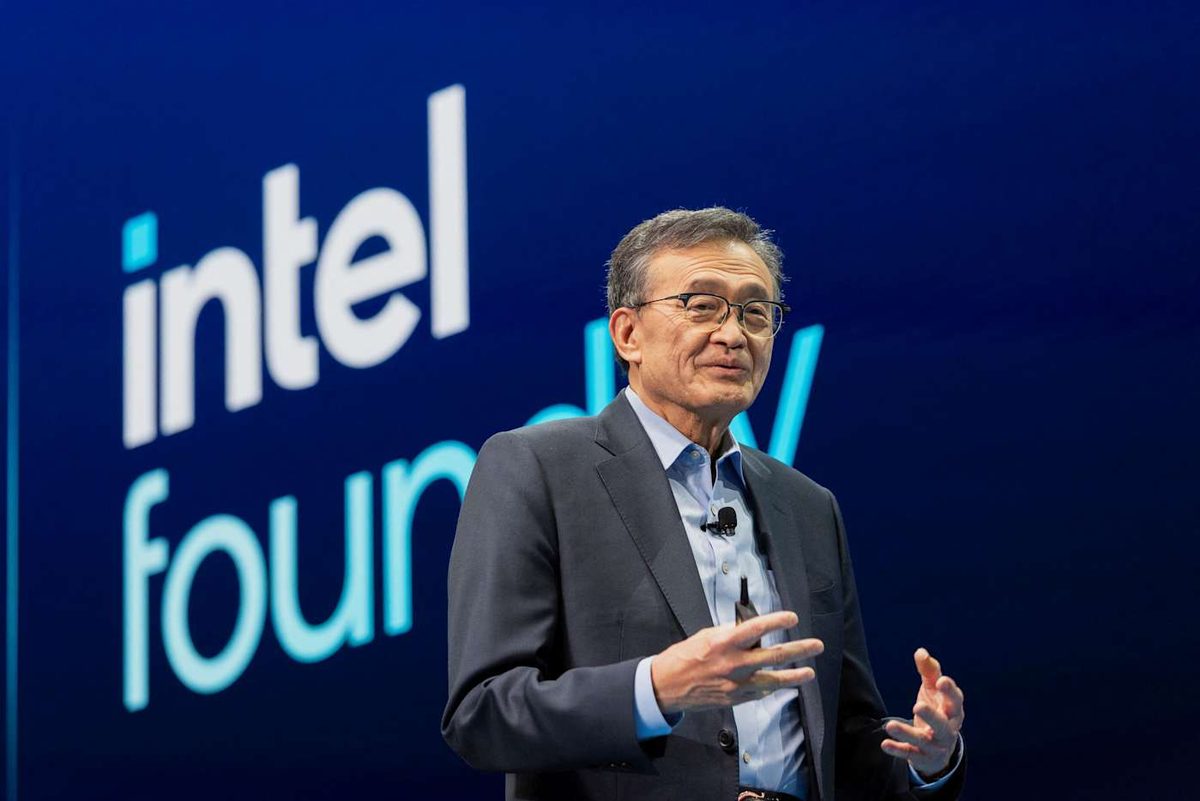
This decision follows months of speculation regarding potential layoffs, with earlier reports suggesting that the company might eliminate up to 20% of its workforce as part of a broader restructuring initiative. The current workforce reduction is being led by CEO Lip-Bu Tan, who took over the role in March and has since openly discussed the necessity for downsizing to revitalize the company. The planned cuts represent a critical response to Intel's ongoing struggles to maintain its competitive edge in the semiconductor market, which has become increasingly dominated by rivals like AMD and NVIDIA.
Impact Analysis
The anticipated workforce reduction will have profound implications not only for Intel's employees but also for the broader technology sector. As one of the largest semiconductor manufacturers, Intel's decisions often ripple through the industry. The layoffs could potentially lead to a talent drain, with many skilled engineers and professionals seeking opportunities elsewhere.
Moreover, the decision to slow down construction in Ohio and abandon planned expansions in Europe signals a shift in Intel's growth strategy. This consolidation of operations indicates a focus on efficiency and cost management over aggressive expansion, which could affect its ability to innovate and compete in the long term.
"Our operating performance demonstrates the initial progress we are making to improve our execution and drive greater efficiency," said Lip-Bu Tan, emphasizing the company’s commitment to restructuring.
The financial implications are also significant. By reducing operating expenses, Intel hopes to stabilize its financial standing after experiencing a prolonged decline in market performance. The company's ability to adapt to changing market conditions will be critical in determining its future success.
Broader Context
Intel's restructuring efforts are occurring against the backdrop of a rapidly evolving semiconductor landscape. With the global demand for chips surging due to the proliferation of artificial intelligence, IoT devices, and electric vehicles, companies like Intel must navigate not only competition from established firms but also new entrants into the market. The need for innovation and efficiency has never been more pressing.
Furthermore, the semiconductor industry is facing supply chain challenges and geopolitical factors that complicate manufacturing and distribution networks. Intel's decision to consolidate operations reflects an acknowledgment of these external pressures while attempting to position itself for future growth.
Future Outlook
Looking ahead, Intel's path will largely depend on how effectively it can implement these cost-cutting measures while maintaining its technological edge. The company must invest strategically in research and development to ensure it remains at the forefront of semiconductor technology.
Additionally, Intel’s ability to adapt to the evolving demands of the market will be critical. With a leaner workforce, it must find ways to maximize productivity and innovation without sacrificing quality. The next few years will be crucial as Intel attempts to rebuild its reputation and regain its standing in the industry.
Conclusion
Intel's announcement of a significant workforce reduction highlights the challenges facing traditional tech giants in an increasingly competitive market. As the company navigates these turbulent waters, its focus on efficiency and strategic realignment will be key determinants of its future viability. The tech industry will be watching closely to see how Intel adapts and responds to both internal and external pressures.