Google Launches Googlebook Laptops: Bridging Android's Ecosystem with Desktop Power
Introduction
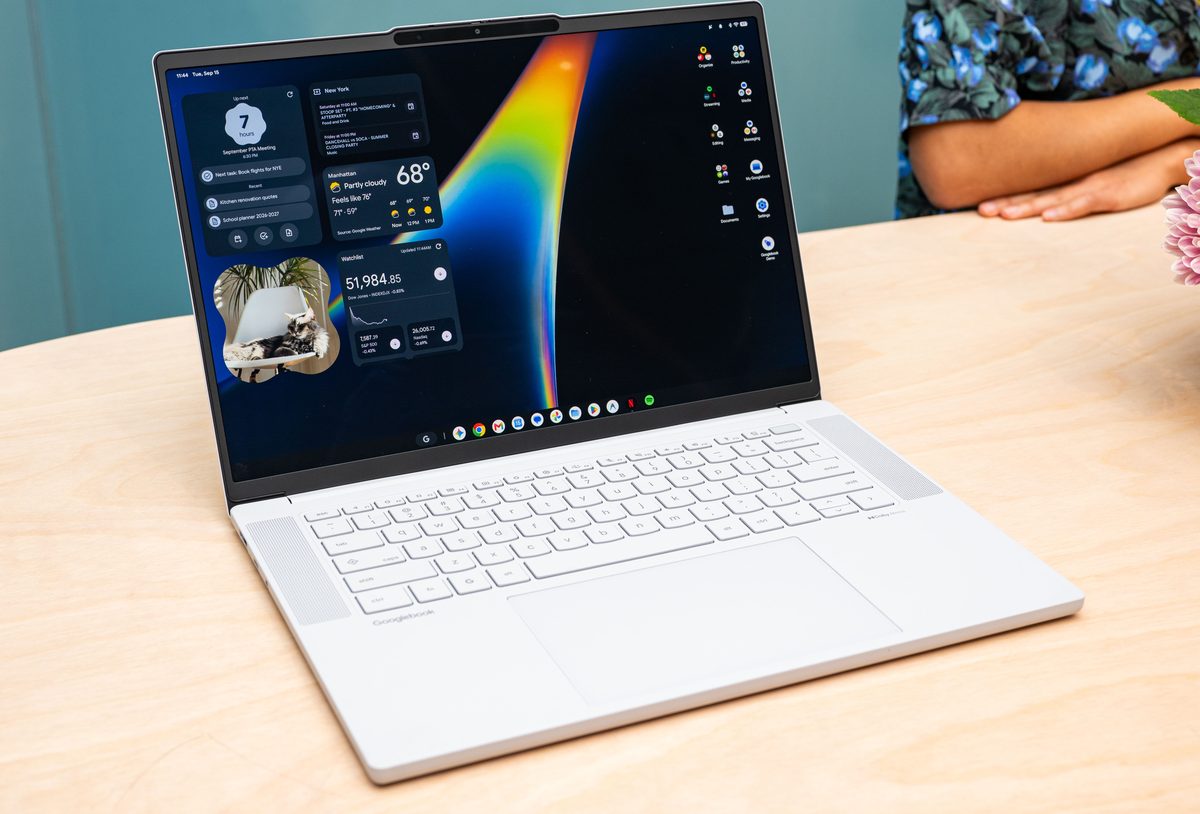
In a move reminiscent of Apple's tightly integrated ecosystem, Google has officially launched a new category of laptops called Googlebooks. These devices are engineered to bridge the gap between the mobile-first world of Android and the robust capabilities of a desktop operating system. The announcement, made at a media event in New York City, signals Google's ambition to offer Android users a computing experience as seamless and interconnected as that enjoyed by iPhone and Mac users.
Key Details
- Product Lineup: Five initial Googlebook models are available from HP, Dell, Lenovo, Acer, and Asus, with prices starting at $899.
- Hardware Standards: Laptops must meet stringent requirements, including premium materials, at least 16 GB of RAM, 45+ TOPS performance, touchscreens, backlit keyboards, haptic trackpads, Dolby Atmos speakers, noise-cancelling microphones, and a minimum of 14 hours of battery life.
- Software Support: Google promises 10 years of software updates for all Googlebook devices.
- Signature Feature: The "Glowbar," an external LED strip, identifies Googlebooks and can be customized by developers and users, illuminating for actions like interacting with Gemini.
- Connectivity: Seamless data transfer from Android phones includes Wi-Fi networks, passwords, settings, messages, contacts, and photos.
- App Integration: Android apps are categorized as "Better on the Web," "Optimized for Desktop," or "Made for Desktop," with a growing number of applications tailored for the larger screen experience.
- Gaming: Access to over 20,000 Play Store titles, with many supporting cross-device play. A one-year subscription to Nvidia's GeForce Now is included.
- AI Features: Marquee AI functionalities include "Magic Pointer" for contextual actions and "Rambler," an advanced AI-powered voice dictation engine.
- Bundled Services: Every purchase includes a full year of Google AI Pro service with 5 terabytes of storage.
Background
For years, the computing landscape has been dominated by distinct ecosystems, with Apple's macOS and iOS offering unparalleled synergy. Android users, while benefiting from the flexibility and open nature of their platform, have historically lacked a comparable level of native integration between their smartphones and laptops. Google's previous attempts, primarily through Chromebooks, have focused on cloud-centric computing and affordability, often catering to educational markets. The introduction of Googlebooks represents a significant pivot, aiming to directly challenge the premium, integrated experience offered by competitors by leveraging the vast Android user base.
Impact Analysis
The Googlebook initiative has the potential to significantly reshape the laptop market, particularly for the millions of Android users worldwide. By offering a device specifically designed to complement their smartphones, Google is addressing a long-standing pain point. The emphasis on premium hardware, extensive software support, and advanced AI features positions Googlebooks as a direct competitor to high-end Windows laptops and MacBooks. The inclusion of Google AI Pro and Nvidia GeForce Now subscriptions adds substantial value, making the starting price of $899 particularly compelling. The success of Googlebooks will depend on developer adoption of the "Made for Desktop" app tier and the ability of Google to deliver on its promise of seamless integration and long-term support.
Broader Context
This launch occurs at a time when the lines between mobile and desktop computing are increasingly blurred. Artificial intelligence is rapidly becoming a central component of user experience across all devices. Google's investment in AI features like Magic Pointer and Rambler reflects a broader industry trend towards more intuitive and predictive computing. Furthermore, the platform's hybrid nature, merging Android's mobile-first philosophy with ChromeOS's robustness, hints at a future where operating systems are more adaptable and less confined by traditional device categories. Google's commitment to 10 years of software updates also sets a new benchmark for longevity in the consumer electronics space, potentially influencing industry standards.
Future Outlook
The future of Googlebooks appears promising, contingent on continued innovation and ecosystem growth. Google has indicated that Chromebooks will continue to exist as a separate, more budget-friendly line, allowing Googlebooks to focus on the premium segment. The company's strategy hinges on attracting developers to create desktop-optimized Android applications, which will be crucial for unlocking the full potential of these devices. If Google can foster a vibrant app ecosystem and continue to enhance its AI capabilities, Googlebooks could become a dominant force in the laptop market, offering a compelling alternative for users seeking deep integration with their Android devices.
Conclusion
Googlebook represents a bold step by Google to solidify its position in the personal computing hardware market. By focusing on seamless Android integration, premium hardware, and cutting-edge AI, the company aims to provide a compelling alternative to existing ecosystems. The initial rollout of five models, coupled with attractive pricing and bundled services, sets a strong foundation. The long-term success will undoubtedly be shaped by developer engagement and Google's ongoing commitment to refining the user experience, making Googlebooks a platform to watch in the evolving landscape of computing.
Source: wired.com