Apple iPhone 17 Series to Introduce Ultra-Thin Air Model and Advanced AI Features in iOS 26
Introduction
Apple's yearly smartphone refresh is anticipated to continue with the launch of the iPhone 17 series in the fall of 2025. The upcoming lineup promises to build on the company's tradition of blending advanced hardware design with software innovation. While official details remain scarce, a combination of leaks, industry analyst notes, and Apple's own announcements during its Worldwide Developers Conference (WWDC) have painted a clearer picture of what to expect. Among the highlights are the introduction of a new ultra-thin "Air" model, significant updates to iOS with the release of iOS 26, and a varied but sophisticated design palette across models.
Key Details
- Launch Timing: Expected in September 2025, continuing Apple's annual release schedule.
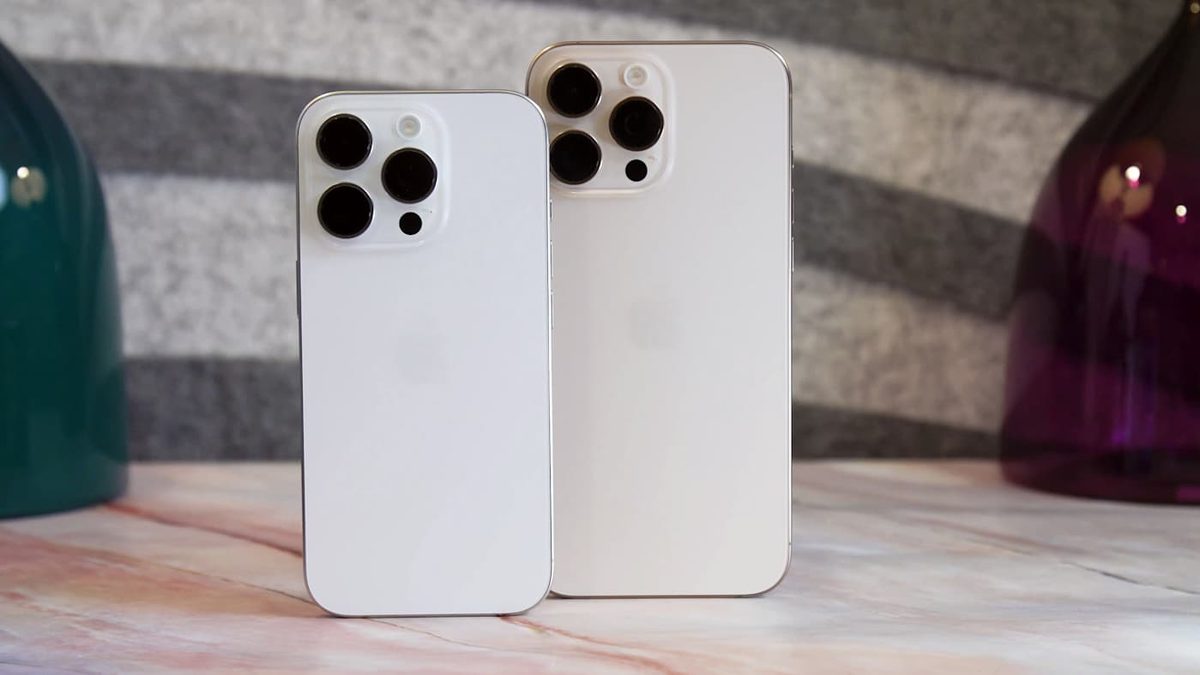
- New Model: iPhone 17 Air — an ultra-thin, lightweight smartphone with a rumored titanium frame.
- Chipset: The Air will likely feature the basic A19 chip and Apple’s new in-house modem, initially introduced with the iPhone 16e.
- Material Use: Titanium frame for the Air; other models (iPhone 17, 17 Pro, 17 Pro Max) expected to use aluminum.
- Display and Features: The Air model will reportedly have a 6.6-inch screen with Dynamic Island and Camera Control button, retaining a charging port despite earlier considerations for a portless design.
- Color Options: iPhone 17 available in black, white, steel gray, green, purple, and light blue; Air in black, white, light blue, and light gold; Pro models in bold hues including black, white, gray, dark blue, and orange.
- Price: The iPhone 17 Air is rumored to be priced around $900, positioned between the standard and Pro models.
- Software: iOS 26 will debut alongside the new phones, featuring a refined Liquid Glass interface, AI-powered live translation, redesigned apps, sensitive content warnings, and quality of life improvements.
Background
Apple traditionally unveils its flagship iPhone models in September each year, setting the tone for the smartphone market. The company's development cycle includes iterative hardware improvements, often paired with major software updates showcased at WWDC. 2025 is no exception, with iOS 26 adopting a naming convention aligned with the release year, reflecting Apple’s intent to streamline and modernize its ecosystem.
Mark Gurman of Bloomberg, a trusted source for Apple insights, has shared multiple reports indicating that the iPhone 17 Air will be a marked departure from previous "entry-level" models. Instead of continuing the SE line, Apple appears to be focusing on a lightweight yet premium-feeling device that aligns with its MacBook Air branding strategy, utilizing titanium to reduce weight while maintaining durability.
Apple analyst Jeff Pu has added credence to the titanium frame rumors, a material choice that has been speculated to balance weight and strength, although aluminum remains the preferred metal for the standard and Pro models due to its lighter weight and manufacturing advantages.
Impact Analysis
The introduction of the iPhone 17 Air signals Apple's strategic pivot towards an ultra-thin, design-focused device that caters to users valuing portability without sacrificing performance. This move could redefine mid-tier smartphone expectations, especially if the Air manages to deliver Pro-level features in a compact frame.
From a market perspective, the $900 price point positions the Air competitively against premium mid-range smartphones from competitors, potentially capturing consumers seeking a balance between cost and flagship quality. The decision to maintain a charging port could be a response to user demand, acknowledging the ongoing transition period towards wireless technologies.
On the software front, iOS 26’s AI enhancements, including live translation and Visual Intelligence for image recognition, indicate Apple’s continued investment in artificial intelligence as a differentiator. Sensitive content detection and the freezing of FaceTime video upon detecting nudity show a proactive approach to child safety and content moderation, reinforcing Apple’s privacy and security brand image.
Broader Context
The iPhone 17 series launch occurs amid intensifying competition in the smartphone market, with rivals pushing innovations in foldable displays, camera technology, and AI integration. Apple’s approach appears to balance evolutionary hardware design with revolutionary software capabilities, reinforcing its ecosystem lock-in and user experience consistency.
The rumored split in release schedules for the iPhone 18 series in 2026—separating Pro-tier models in fall and standard models in spring—could indicate Apple’s willingness to experiment with market segmentation to optimize sales cycles and maintain consumer interest year-round.
Material choices such as titanium, although more costly, align with broader industry trends emphasizing premium build quality, sustainability, and differentiation through design. Additionally, the focus on color variety and aesthetic appeal reflects Apple's understanding of personalization as a key consumer demand.
Future Outlook
Looking ahead, the iPhone 17 series will likely set the stage for future design language and hardware experimentation, especially if the Air model finds commercial success. The integration of proprietary components like Apple's in-house modem could reduce dependency on external suppliers and improve performance and power efficiency.
Software-wise, iOS 26 represents a significant step in embedding AI deeply into everyday user interactions, hinting at a future where intelligent automation, privacy-conscious AI moderation, and seamless cross-device functionality become standard.
Apple’s ability to retain its premium pricing while expanding feature sets and improving user experience will be crucial as market saturation increases and consumer expectations evolve.
Conclusion
The iPhone 17 series arrives as a carefully calibrated blend of innovation, tradition, and user-centric design. With the introduction of the ultra-thin iPhone 17 Air, Apple is poised to redefine the mid-tier smartphone segment with a focus on premium materials and form factor. Coupled with the launch of iOS 26, featuring powerful AI capabilities and user experience enhancements, Apple continues to leverage its ecosystem strengths to maintain leadership in the competitive smartphone market.
“The iPhone 17 Air represents a new direction for Apple—combining ultra-thin design with robust performance and advanced AI-driven software, setting a precedent for future devices.” — Mark Gurman, Bloomberg