The Evolving Standing Desk: More Than Just a Trend
Introduction
The modern workspace is undergoing a revolution, and at its forefront is the standing desk. Once a niche item for the health-conscious, standing desks have become a mainstream fixture, promising to alleviate the ills of prolonged sitting. However, the narrative around these ergonomic tools is becoming more nuanced. While they can encourage movement and improve posture, research suggests that simply standing for extended periods isn't a universal panacea and can introduce its own set of health concerns. This guide delves into the best standing desks available, offering a comprehensive look at their features, performance, and value, while also contextualizing their role in a healthier, more dynamic workday.
Key Details
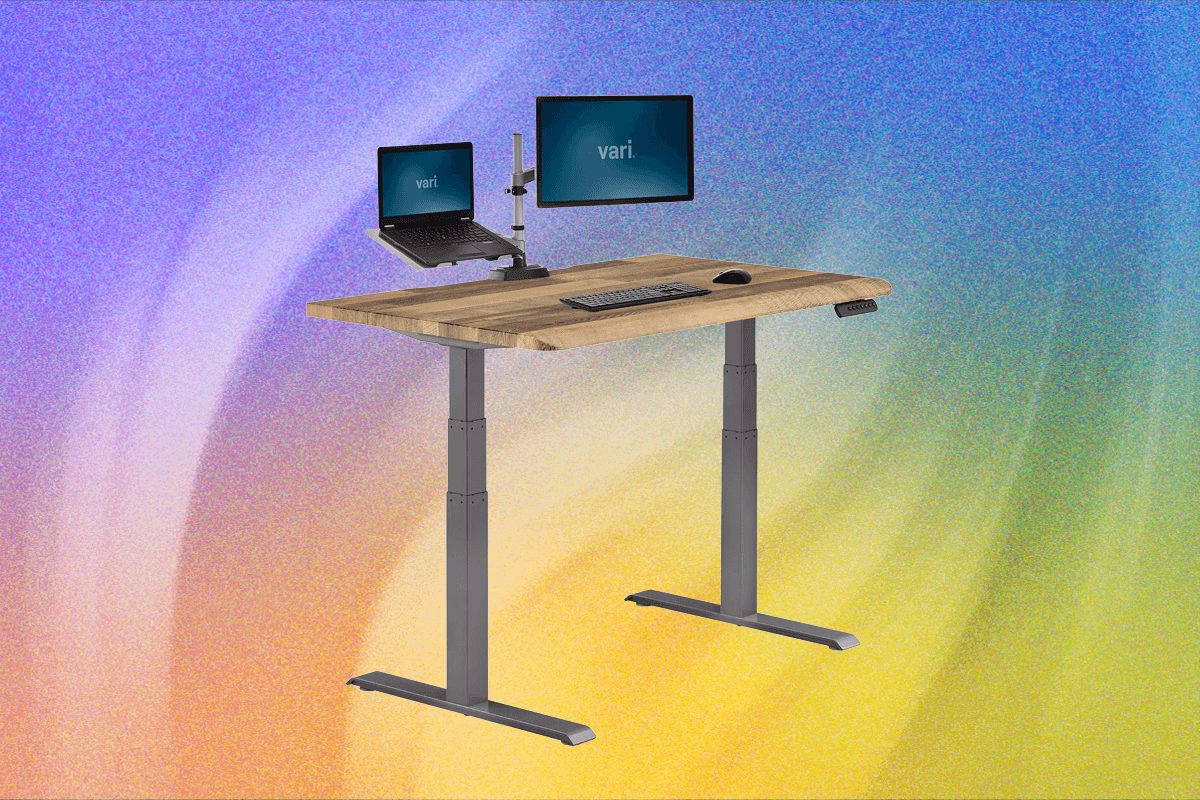
- Top Picks: The guide highlights several standout models, including the Vari Ergo electric standing desk, the sturdy Herman Miller Jarvis Bamboo Standing Desk, and the elegant Room & Board Lincoln Desk. Budget-friendly options like the Luxor Compact Electric Standing Desk and the Inbox Zero 47-inch Adjustable Electric Standing Desk are also featured.
- Health Considerations: Expert Anne-Kristina Arnold cautions that while standing desks can reduce sitting time, prolonged standing may increase cardiovascular risk. She recommends alternating between sitting and standing, suggesting 20 minutes of standing per hour as a guideline, but emphasizes that regular movement and walking are paramount.
- Types of Desks: The guide primarily focuses on electric standing desks for their convenience in frequent height adjustments. Manual desks are also mentioned as a more affordable alternative for less frequent adjustments.
- Ergonomics and Safety: Proper setup is crucial. Key ergonomic principles for sitting and standing workstations include maintaining a 90-degree elbow bend and ensuring monitors are at eye level. Cable management is also highlighted as a critical safety and functionality aspect to prevent accidents.
- Testing Methodology: WIRED's Reviews team conducts extensive long-term testing in home environments, evaluating durability, motor performance, ease of use, assembly, aesthetics, and warranty support.
Background
The concept of the standing desk gained traction as awareness grew about the detrimental health effects of sedentary lifestyles. Sedentary work, characterized by prolonged sitting, has been linked to a host of health problems, including obesity, cardiovascular disease, and musculoskeletal issues. Standing desks emerged as a potential solution, offering a way to break up long periods of sitting and incorporate more physical activity into the workday. Early iterations were often basic manual crank models, but technological advancements have led to sophisticated electric desks with memory presets, quiet motors, and integrated smart features.
Impact Analysis
The impact of standing desks extends beyond individual health to workplace productivity and culture. By encouraging movement and providing a more dynamic work environment, these desks can potentially boost energy levels and reduce fatigue. The ability to easily switch between sitting and standing caters to diverse work styles and physical needs. However, the impact is not uniformly positive. As highlighted by expert Anne-Kristina Arnold, the research is mixed, and simply swapping prolonged sitting for prolonged standing is not ideal. The key lies in mindful usage: integrating standing periods as part of a broader strategy for movement and ergonomic awareness. Over-reliance on standing without proper breaks or movement can lead to issues like leg fatigue, back pain, and even increased risk of certain health conditions. Furthermore, the cost of higher-end models can be a significant barrier for individuals and businesses, limiting widespread adoption.
Broader Context
The rise of the standing desk is part of a larger trend towards prioritizing employee well-being and creating more flexible, health-conscious work environments. In an era where remote and hybrid work models are increasingly common, the home office setup has become a critical consideration. Standing desks, along with ergonomic chairs, monitor arms, and other accessories, are integral components of this evolving workspace. The market has responded with a wide array of options, from minimalist designs to feature-rich, high-tech workstations, reflecting diverse user needs and budgets. The integration of smart technology, such as AI-driven habit tracking and environmental sensors, points towards a future where workspaces are not just functional but also adaptive and responsive to user health and productivity.
Future Outlook
The standing desk market is likely to continue evolving, driven by technological innovation and a growing emphasis on holistic workplace wellness. We can expect to see further integration of smart features, improved motor efficiency and noise reduction, and more sustainable materials. The focus may shift from simply enabling standing to actively promoting balanced movement throughout the day, perhaps through integrated sensors and personalized recommendations. The development of more affordable, yet durable, options will also be crucial for broader accessibility. As research continues to refine our understanding of the optimal balance between sitting, standing, and moving, standing desks will likely become even more sophisticated tools for supporting long-term health and productivity in the modern workplace.
Conclusion
Standing desks offer a compelling way to introduce more movement and ergonomic flexibility into the workday. While they are not a cure-all for sedentary lifestyles, the best models provide a durable, comfortable, and adaptable platform for healthier work habits. The key is to use them mindfully, integrating them into a routine that balances sitting, standing, and regular movement, informed by expert advice and personal ergonomic needs. With a wide range of options available, from budget-friendly to premium, individuals can find a standing desk that suits their space, budget, and wellness goals, ultimately contributing to a more dynamic and health-conscious work experience.
Source: wired.com