Digital Car Keys: Convenience vs. Security Risks
Introduction
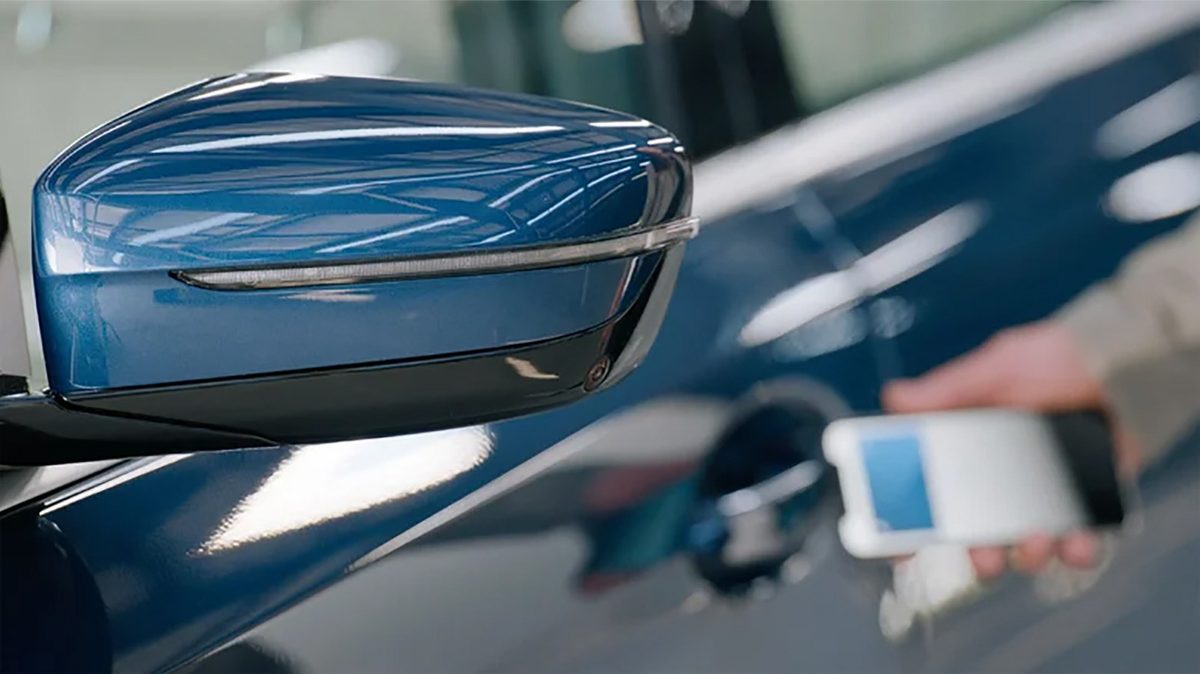
The advent of digital car keys, allowing drivers to use their smartphones to unlock, lock, and even start their vehicles, represents a significant leap in automotive convenience. Integrated into smartphone wallets like Apple Wallet and Google Wallet, this technology, standardized by the Car Connectivity Consortium, promises a seamless experience, eliminating the need to carry physical keys or fobs. Yet, as with any technological advancement that prioritizes ease of use, potential security vulnerabilities and practical challenges emerge. Understanding these downsides is crucial for users to navigate this evolving landscape safely and effectively.
Key Details
- Technology: Digital car keys utilize Ultra-Wideband (UWB) or Near-Field Communication (NFC) for vehicle communication, unlike traditional key fobs susceptible to relay attacks.
- Security Measures: While immune to signal amplification attacks, digital keys can be compromised if a phone is stolen. Manufacturers often implement multi-factor authentication and remote wiping capabilities to mitigate this risk.
- Device Failure: In cases of phone battery depletion, many digital keys can function for several hours using reserve power via NFC.
- App/Server Issues: Potential concerns include app crashes, freezes, or required updates, as well as temporary server outages, though these are generally rare and often mitigated by backup systems.
- Backup Essential: Despite technological advancements, keeping a physical key fob or a designated backup plan remains a recommended precaution.
Background
The concept of digital car keys has been developing for years, with the Car Connectivity Consortium establishing standards as early as 2018. This framework allows for interoperability between different devices and vehicle manufacturers. The technology leverages advanced communication protocols like UWB and NFC, which require the phone to be in close proximity to the vehicle, thereby preventing the type of long-range signal interception common with older key fob technologies. This proximity requirement is a fundamental security feature, ensuring that only someone physically near the car can interact with it using their phone.
Impact Analysis
The primary impact of digital car keys is the enhanced convenience they offer. Users can manage vehicle access through a single device they already carry, simplifying daily routines and enabling easier sharing of car access with family or friends. However, the potential for loss or theft of the smartphone introduces a significant security risk. If a phone is compromised, unauthorized access to the vehicle becomes a possibility. Furthermore, reliance on a charged, functioning smartphone means that battery failure or technical glitches could leave a user stranded. While manufacturers have implemented safeguards, such as requiring additional authentication steps or offering limited functionality after battery depletion, these are not foolproof.
“The convenience of a digital key is undeniable, but it shifts the security burden from a physical object to the digital security of your primary personal device.”
Broader Context
The move towards digital car keys is part of a larger trend of digitalization across various aspects of life, including payments, identification, and home access. As consumers become more accustomed to managing sensitive information and functions through their smartphones, the expectation for similar digital solutions in other areas, like automotive access, grows. This trend is driven by both consumer demand for convenience and the automotive industry's pursuit of innovation and connected services. However, this broader digital transformation also raises systemic security concerns, as a single point of failure—the smartphone—can control multiple critical functions.
Future Outlook
The future of digital car keys appears bright, with increasing adoption expected as technology matures and security protocols become more robust. Manufacturers will likely continue to refine failsafe mechanisms and integrate advanced biometric authentication. The development of more sophisticated power management systems for digital key functions, even when a phone’s main battery is dead, is also anticipated. As the ecosystem evolves, we may see greater integration with other smart city and vehicle-to-everything (V2X) technologies, further enhancing user experience and vehicle functionality. Nevertheless, the need for user education on digital security best practices and the provision of reliable backup solutions will remain paramount.
Conclusion
Digital car keys offer a glimpse into the future of automotive access, blending cutting-edge technology with everyday convenience. While they effectively address some traditional security vulnerabilities, they introduce new challenges related to device security and reliability. By understanding the potential risks—such as phone theft, battery depletion, and technical malfunctions—and implementing appropriate precautions, including strong device security and maintaining a reliable backup, users can confidently embrace this innovative technology. The key lies in balancing the undeniable benefits of digital convenience with a vigilant approach to digital security.
Source: engadget.com