Samsung Galaxy Z Fold 7: 26% Thinner and Faster, But Still $2,000 Expensive
Introduction
The Samsung Galaxy Z Fold 7 represents the latest evolution in foldable smartphone technology, offering a blend of innovation and refinement after several generations of incremental improvements. This device strives to merge the expansive multimedia capabilities of a tablet with the portability and usability of a traditional smartphone. Samsung’s ambition with the Z Fold 7 is clear: to create a foldable phone that sheds the bulk and complexities of earlier models, delivering an experience that is both practical for everyday use and spectacular when unfolded. However, the device comes with a steep $2,000 price tag, which remains a significant barrier for many potential users.
Key Details
- Design: 26% thinner at 8.9mm folded, 10% lighter at 215 grams, IP48 dust and water resistance.
- Displays: 8-inch main foldable screen (up from 7.6 inches), 6.5-inch wider exterior cover screen, both with 120Hz refresh rate and up to 2,600 nits brightness.
- Performance: Qualcomm Snapdragon 8 Elite for Galaxy, 12GB or 16GB RAM, up to 1TB storage.
- Cameras: New 200MP main sensor, 10MP hole-punch under-display replacement selfie camera, ultrawide and 3x telephoto lenses largely unchanged.
- Battery: 4,400mAh, improved efficiency, 25W wired charging, 15W wireless charging, Qi 2 standard without magnetic accessory support.
- Notable Changes: Removal of S Pen support, shift from under-display selfie camera to hole-punch design.
Background
Since the Galaxy Z Fold 1 launched in 2019, Samsung has been a pioneer in the foldable smartphone market, constantly iterating on design, durability, and performance. Early foldables were notable for their thickness, weight, and durability concerns. Over seven years, Samsung has consistently worked to mitigate these issues, aiming to normalize foldable phones as practical everyday devices. The Galaxy Z Fold 7 marks the most significant physical size reduction in the series, making it comparable in size and weight to the Galaxy S25 Ultra, a traditional flagship. This is a notable feat considering the complex folding mechanism and larger flexible display.
Samsung’s design improvements include a newly engineered Armor FlexHinge that provides a smooth folding experience and enhanced durability. The use of thicker ultra-thin glass combined with a titanium lattice adds structural support, addressing previous concerns about screen fragility. Additionally, the retention of an IP48 rating signifies Samsung’s commitment to making foldables tougher and more water-resistant — an area where many competitors still fall short.
Impact Analysis
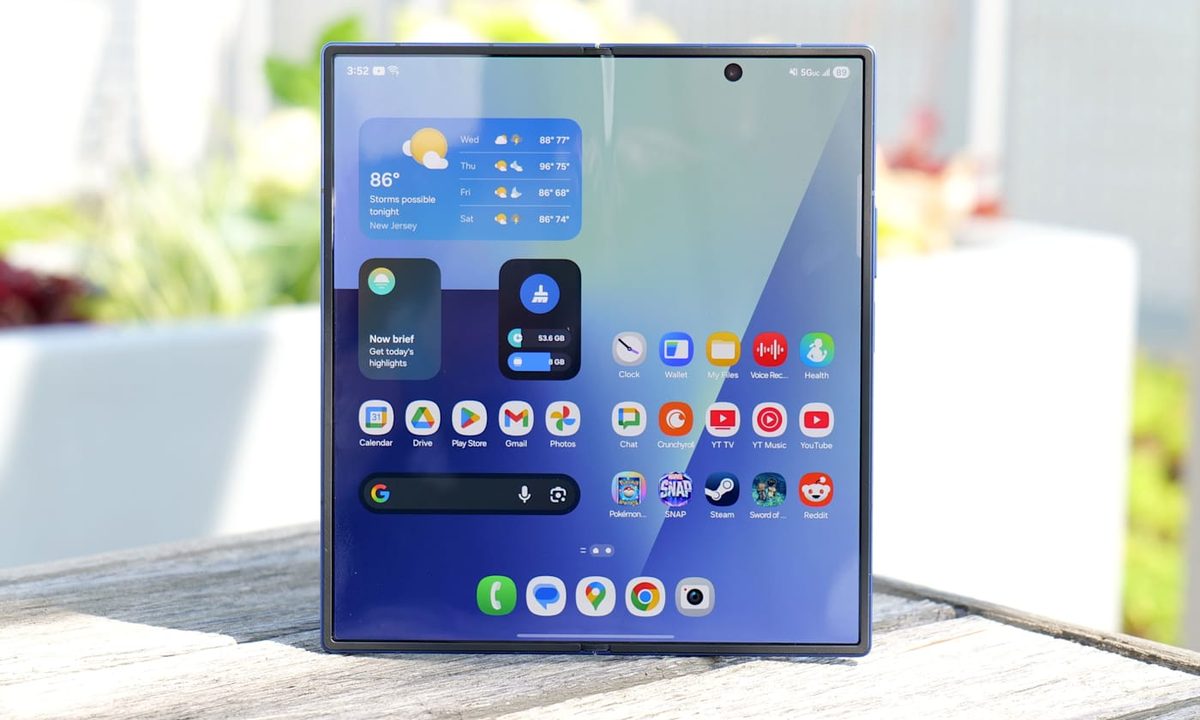
The Galaxy Z Fold 7 improves user experience through significant hardware and software enhancements. Its larger and brighter displays, especially the wider 6.5-inch cover screen, offer better usability when the device is folded, removing the awkward sensation of holding a thick, narrow baton experienced in previous models. Both screens’ 120Hz refresh rates and peak brightness of 2,600 nits make for vibrant visuals suitable for gaming, streaming, and multitasking.
Performance-wise, the Snapdragon 8 Elite for Galaxy chip and up to 16GB RAM make the Z Fold 7 one of the fastest large foldable phones on the market. Practical benchmarks, like loading games, show around 25% faster results compared to rivals such as the Pixel 9 Pro Fold. This speed boost enhances everyday interactions and app responsiveness.
The camera system sees a major upgrade with the introduction of a 200MP main sensor, borrowed from Samsung’s flagship S25 Ultra, resulting in sharper, more detailed photos. Although the removal of the under-display selfie camera in favor of a hole-punch design might disappoint users who preferred an uninterrupted screen, the 10MP sensor delivers noticeably better image quality for video calls and selfies. However, zoom capabilities remain somewhat limited by a 3x telephoto lens, lagging behind competitors offering 5x optical zoom.
Battery life is solid, with slight improvements in endurance due to the more efficient chipset. The device lasts nearly 21 hours using the main display and over 26 hours with the cover screen in video playback tests. However, charging speeds remain average, and the lack of magnetic accessories support with Qi 2 wireless charging is a missed opportunity for convenience enhancements.
Broader Context
The Galaxy Z Fold 7 enters the market at a time when foldable phones are transitioning from niche luxury gadgets to potential mainstream contenders. Samsung has dominated this segment, but pricing remains a hurdle. At $2,000, the Fold 7 is priced similarly to many ultrabooks and premium laptops, positioning it as a considerable investment. This price point restricts adoption mostly to tech enthusiasts and professionals who value the combination of productivity and portability.
Moreover, Samsung’s removal of the S Pen support, a hallmark feature that differentiated its foldables, may alienate loyal users who leveraged the stylus for productivity. While Samsung cites low usage as a reason, this decision signals the company is betting on foldable phones being more about media consumption and multitasking rather than stylus-based input. The choice to revert from an under-display selfie camera to a hole-punch cutout also reflects a design trade-off prioritizing camera quality over seamless display aesthetics.
Future Outlook
The Galaxy Z Fold 7 sets a new benchmark for foldable phone design and performance, but challenges remain. Samsung may need to address price barriers to drive wider adoption and consider reintroducing premium features like stylus support to capture professional and creative users. Additionally, improving charging technologies and accessory ecosystems could enhance user convenience.
As foldables continue to mature, advances in materials science, hinge engineering, and display technology will likely allow even thinner, lighter, and more durable devices. Samsung’s approach of balancing practical usability with cutting-edge hardware suggests the foldable phone market will grow beyond early adopters into a significant segment of the smartphone ecosystem over the next few years.
Conclusion
The Galaxy Z Fold 7 is arguably the most refined foldable phone Samsung has produced to date, addressing key issues of size, weight, durability, and screen quality. Its powerful processor, enhanced camera system, and improved displays deliver a user experience that rivals traditional flagship smartphones while offering the unique advantage of a large foldable screen. However, the high $2,000 price and removal of the S Pen and under-display camera features may limit its appeal. For those who can afford it, the Z Fold 7 delivers a compelling glimpse into the future of mobile computing, blending phone and tablet into one versatile device.