From Rejection to Glory: How Mourinho's Barcelona Setback Ignited Inter Milan's Historic 2010 Champions League Victory
Introduction
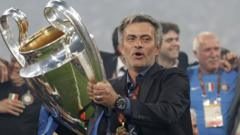
Jose Mourinho’s journey to becoming one of football’s most celebrated managers is marked not only by his tactical genius but also by his resilience in the face of setbacks. A particularly defining moment was his rejection by FC Barcelona, a club he once served as an assistant coach before embarking on his managerial career. This early professional setback did not derail Mourinho; instead, it fueled a fierce determination that culminated in his second UEFA Champions League victory with Inter Milan in 2010. This triumph not only solidified his legacy but also disrupted the dominance of traditional football powerhouses.
Key Details
- In 2008, Mourinho was appointed head coach of Inter Milan after leaving Chelsea, signaling a new chapter in his career.
- Previously, Mourinho had been overlooked by Barcelona’s management, despite his role as an assistant to Bobby Robson and Louis van Gaal.
- Under Mourinho’s leadership, Inter adopted a disciplined, pragmatic style of play that maximized the squad’s strengths.
- The 2010 Champions League final saw Inter defeat Bayern Munich 2-0, securing the club’s first European title in 45 years.
- This victory was part of a historic treble, with Inter also winning the Serie A and Coppa Italia in the same season.
Background
Jose Mourinho began his coaching career in the shadow of FC Barcelona, where he worked as an interpreter and assistant coach for Bobby Robson and later Louis van Gaal during the late 1990s and early 2000s. Despite his proximity to one of football’s most prestigious clubs, Mourinho was not offered a leading coaching role at Barcelona. This rejection was a professional and personal disappointment, given his ambition and understanding of the game.
Following this, Mourinho moved to manage smaller clubs before rising to prominence with Porto, where he won the UEFA Champions League in 2004. His success with Porto earned him a move to Chelsea in the English Premier League, where he won multiple league titles. However, his tenure at Chelsea was tumultuous, and after his second spell there ended in 2008, he sought a fresh challenge in Italy with Inter Milan.
Analysis
Mourinho’s rejection by Barcelona can be seen as a catalyst that shaped his managerial philosophy. His experience at Barcelona exposed him to high-level tactical approaches and the pressure of managing elite players, yet the refusal of a head coach role motivated him to prove his capabilities on the biggest stages. At Inter Milan, Mourinho implemented a pragmatic and highly organized defensive system, contrasting with Barcelona’s possession-based style.
The 2010 Champions League campaign was emblematic of Mourinho’s ability to adapt tactics and manage diverse personalities. His strategic acumen was evident in the way Inter neutralized Bayern Munich’s attacking threats in the final, while exploiting counter-attacking opportunities to score twice through Diego Milito. Mourinho’s focus on mental strength and resilience was also critical, as Inter overcame formidable opponents such as Chelsea and Barcelona en route to the final.
The victory was not only a personal redemption for Mourinho but also a statement against the football establishment, proving that alternative styles and leadership could prevail over the dominant tiki-taka philosophy epitomized by Barcelona.
Conclusion
Jose Mourinho’s 2010 Champions League triumph with Inter Milan stands as a testament to the power of resilience and determination in professional sport. His earlier rejection by Barcelona, rather than hindering his progress, became a motivating force that propelled him to greater heights. By leading Inter to a historic treble, Mourinho cemented his place among the football elite, showing that setbacks can be transformed into sources of strength. This narrative offers valuable insights into how adversity can fuel success, particularly in the highly competitive world of elite football management.