Two Decades On: Revisiting the Iconic 2005 Ashes Series That Redefined Cricket Rivalry
Introduction
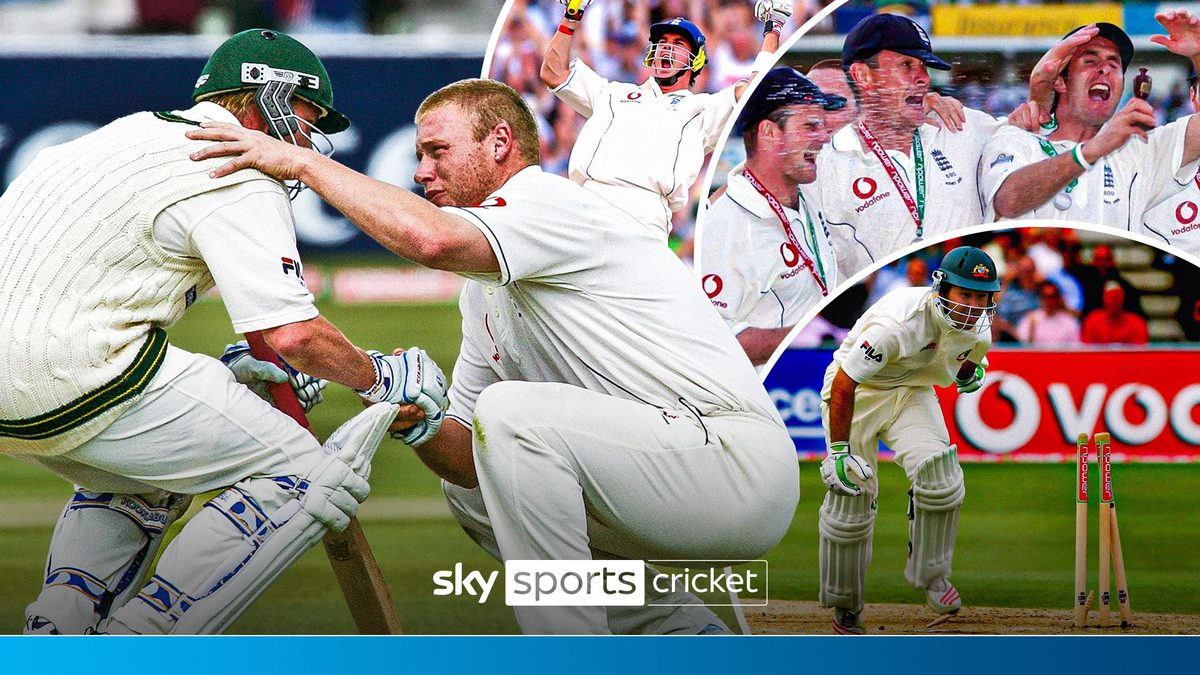
On this day, twenty years ago, cricket enthusiasts around the world were captivated by the first day of the 2005 Ashes series, a contest between England and Australia that would become one of the most celebrated in the history of the sport. The Ashes, a historic rivalry dating back to 1882, has always been a highlight in the cricket calendar, but the 2005 series elevated the competition to a new level, combining intense sporting drama with unforgettable performances.
Key Details
- The 2005 Ashes comprised five Test matches played across England.
- England secured their first Ashes victory since 1986–87, winning the series 2-1.
- Notable players included Andrew Flintoff, Michael Vaughan, Shane Warne, and Ricky Ponting.
- The series featured remarkable comebacks, nail-biting finishes, and a resurgence of interest in Test cricket in England.
Background
The Ashes series represents one of the oldest and most fiercely contested rivalries in international cricket, pitting England, the birthplace of the game, against Australia, one of its most successful nations. Prior to 2005, Australia had dominated the Ashes for over a decade, winning six consecutive series since 1989. England entered the 2005 series determined to reclaim the urn and restore national pride.
The series was played in English conditions, known for their swing-friendly pitches and variable weather, which often challenge batsmen and create opportunities for bowlers. The England team, led by captain Michael Vaughan, showcased a blend of experienced campaigners and emerging talents, while the Australian squad, captained by Ricky Ponting, was considered one of the strongest sides in cricket history.
Analysis
The 2005 Ashes series is widely regarded as a turning point for Test cricket, particularly in England, where limited-overs formats had gained popularity at the expense of traditional Test matches. The series rekindled public interest, drawing large crowds and extensive media coverage. Each match was fiercely contested, with momentum swinging between the two sides.
Andrew Flintoff emerged as a central figure, combining aggressive fast bowling with powerful batting and exceptional fielding. His all-round performances earned him widespread acclaim and made him a national hero. Michael Vaughan's leadership was pivotal, demonstrating tactical acumen and inspiring resilience among his players.
Australia, despite losing the series, showcased moments of brilliance, notably from Shane Warne, whose leg-spin bowling posed constant threats, and from Ricky Ponting, whose batting anchored the Australian innings. The narrow margins and dramatic encounters highlighted the evenly matched nature of the teams.
The series also had a lasting impact on cricket broadcasting and fan engagement, with highlights, expert analysis, and behind-the-scenes coverage becoming more prominent, contributing to a surge in the sport’s popularity.
Conclusion
Reflecting on the 2005 Ashes series two decades later reveals its profound significance in cricket history. It was not merely a sporting event but a cultural moment that reignited passion for Test cricket and strengthened the England-Australia rivalry. The memories of thrilling matches, heroic performances, and strategic battles continue to inspire players and fans alike, ensuring the 2005 Ashes remains a benchmark for excellence and excitement in cricket.
As we look back on that iconic summer, the series stands as a testament to the enduring appeal of the Ashes and the timeless drama that Test cricket offers.