NC State QB CJ Bailey Embraces Resilience After Costly Fumble
Introduction
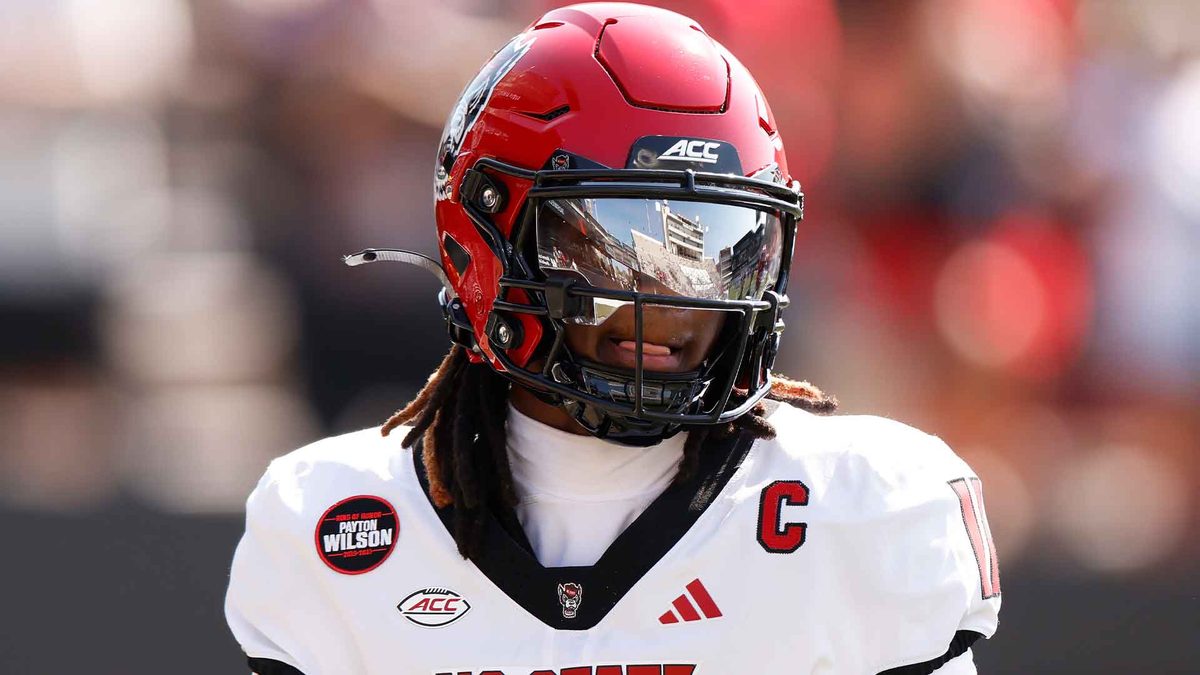
In the unpredictable world of college football, moments of triumph and despair often walk hand-in-hand. For N.C. State quarterback CJ Bailey, a recent game against Vanderbilt presented a stark example of this reality. With mere seconds remaining and his team holding a slim lead, a costly fumble in the end zone not only turned a potential victory into a devastating loss but also thrust Bailey into the spotlight of scrutiny. However, in the aftermath of this high-stakes error, Bailey has chosen a path of resilience, focusing on the unwavering support he has received and the lessons learned rather than dwelling on the single play that defined the game's outcome.
Key Details
- N.C. State quarterback CJ Bailey fumbled the ball in the end zone with 6 seconds left in a game against Vanderbilt, leading to a game-winning touchdown for the opposing team.
- The Wolfpack had a 31-28 lead and was attempting to run out the clock by taking a safety on fourth-and-3 from their own 5-yard line.
- Bailey stated his intention was to "get all the clock out" but acknowledged the critical mistake: "The biggest thing was just hold the ball, bro."
- He described his competitive nature as a driving factor, saying, "I was just competing to the final second and it happens. I fumbled the ball, I’m going to kick myself up and keep going."
- Teammates, including offensive lineman Teague Andersen, have rallied around Bailey, offering support and reassurance.
- Bailey has received encouragement from notable figures outside the program, including former NFL star Philip Rivers and the Manning brothers (Peyton and Eli).
- Bailey previously attended the Manning Passing Academy, a camp for top college quarterbacks.
Background
The game situation was tense. N.C. State, with a 1-2 record, was on the road against Vanderbilt. Leading 31-28, the Wolfpack faced a critical fourth-down situation deep in their own territory with only six seconds remaining. The strategic call from head coach Dave Doeren was to play it safe, burn as much clock as possible, and likely take a safety to end the game with a victory. This would have left Vanderbilt with virtually no chance to score. However, in a moment of high-pressure decision-making, Bailey opted to try and evade the oncoming pass rush rather than take the safer option of kneeling or running out of bounds in the end zone. This decision, driven by a competitive instinct to make a play, resulted in a fumble that Vanderbilt recovered for the improbable game-winning touchdown, sealing one of the most shocking losses in recent college football history.
Impact Analysis
The immediate impact of Bailey's fumble was, of course, the loss of a crucial game for N.C. State. This defeat not only affected the team's win-loss record but also dealt a significant blow to team morale. For Bailey, the personal impact is profound. He has been the target of criticism and the subject of intense discussion surrounding the play. However, the narrative is shifting towards his response. His decision to adopt a positive mindset, lean on his support system, and focus on future opportunities demonstrates a level of maturity and resilience that is often tested but rarely showcased so publicly in young athletes. The encouragement from established football figures like Philip Rivers and the Manning brothers underscores the belief in his potential and his character, offering a powerful counterpoint to the single mistake.
Broader Context
This incident highlights the immense pressure placed upon collegiate athletes, particularly quarterbacks, who are often the most visible figures on a team. Every decision, every play, is scrutinized by fans, media, and coaches alike. The margin for error can feel minuscule, and the consequences of mistakes can be amplified. Bailey's situation is a microcosm of the broader challenges faced by student-athletes: balancing athletic performance with academic responsibilities, managing public expectations, and developing the mental fortitude to overcome adversity. His chosen response—focusing on support, learning, and moving forward—is a testament to the character development that extends beyond the Xs and Os of football.
Future Outlook
Bailey's immediate future with N.C. State involves preparing for the next game against Appalachian State. His current mindset suggests he is channeling his energy into improving and contributing to the team's success. The support network he has cultivated, both within the team and from external mentors, provides a strong foundation for him to bounce back. Coach Doeren and his teammates have publicly backed him, signaling confidence in his ability to lead. The encouragement from NFL veterans serves as a powerful endorsement, suggesting that his career potential remains bright. The key for Bailey will be to translate this positive outlook and the lessons learned from this experience into consistent performance on the field, proving that resilience is indeed a quarterback's most valuable asset.
Conclusion
CJ Bailey's journey through the emotional rollercoaster of a critical game-ending fumble offers a compelling narrative of sportsmanship and mental toughness. While the play itself will be remembered, Bailey's response is shaping a more significant story. By choosing optimism over despair and embracing the support of his community, he is demonstrating a maturity beyond his years. His focus on the long season ahead and the numerous opportunities yet to come serves as an inspiration, reminding us that in sports, as in life, it is often how we rise after a fall that truly defines us.
Source: foxsports.com