Fig Trees as Natural Carbon Sinks: Turning CO2 into Stone to Combat Climate Change
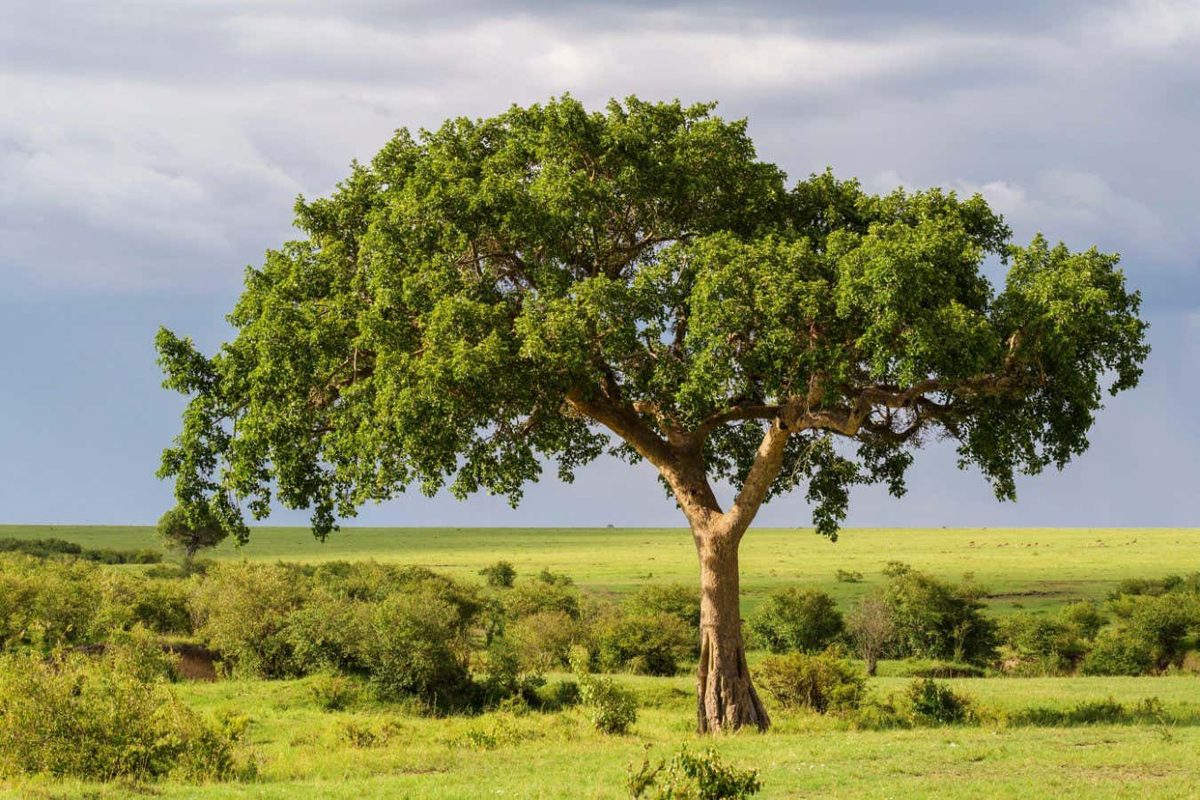
Fig Trees as Natural Carbon Sinks: Turning CO2 into Stone to Combat Climate Change
Introduction
Climate change mitigation strategies increasingly emphasize the role of natural ecosystems in sequestering carbon dioxide (CO2), one of the primary greenhouse gases contributing to global warming. Among various plant species, fig trees have recently attracted scientific interest for their unique ability to convert some of the CO2 they absorb from the atmosphere into calcium carbonate, a stable mineral form. This process effectively locks carbon away in solid form within the tree’s wood and the surrounding soil, potentially extending the duration that carbon remains out of the atmosphere.
Key Details
- Calcium carbonate formation: Fig trees facilitate the transformation of CO2 into calcium carbonate (CaCO3), a mineral commonly found in rocks like limestone, embedded in their woody tissues and nearby soil.
- Carbon sequestration mechanism: Unlike typical carbon storage in biomass, this process mineralizes carbon, potentially providing a more permanent carbon storage method.
- Environmental implications: This mineralization may reduce the rate at which carbon returns to the atmosphere compared to standard organic carbon storage in forests.
- Scope of impact: Fig species are widespread in tropical and subtropical regions, ecosystems that are crucial carbon sinks globally.
Background
Forests play an essential role in the global carbon cycle by absorbing atmospheric CO2 through photosynthesis and storing it as organic carbon in biomass and soils. However, organic carbon pools are vulnerable to release back into the atmosphere through decomposition, fire, or deforestation. Scientists have long sought to understand processes that could stabilize carbon storage for longer periods. The discovery that fig trees contribute to mineral carbon storage via calcium carbonate formation provides intriguing insights.
Calcium carbonate formation in plants is known in certain aquatic species, but its prevalence and significance in terrestrial woody plants like fig trees had not been fully appreciated until recent studies. The ability to store carbon as stone effectively reduces the likelihood of rapid carbon turnover, which can be critical in slowing atmospheric CO2 increases.
Analysis
The capacity of fig trees to mineralize carbon highlights a potentially underexplored carbon sink mechanism within terrestrial ecosystems. Calcium carbonate is a highly stable compound that can persist for thousands of years, considerably longer than organic carbon in wood or leaf litter. This mineralization process thus adds another layer of carbon stability beyond traditional biomass storage.
Moreover, fig trees are keystone species in many tropical forests, supporting diverse wildlife and contributing significantly to forest structure and nutrient cycling. Their widespread presence means that even small contributions to mineral carbon storage could have meaningful impacts when scaled across tropical and subtropical forests globally.
However, there are still questions regarding the exact rates of calcium carbonate formation, how environmental factors influence this process, and the long-term fate of the mineralized carbon. Understanding these variables is crucial to accurately assessing the role of fig trees in climate mitigation strategies.
Integrating this knowledge could influence conservation priorities, emphasizing the protection and restoration of fig tree populations as part of broader efforts to enhance natural carbon sinks. Additionally, it may inspire biomimetic approaches to carbon capture and storage technologies by mimicking natural mineralization processes.
Conclusion
The discovery that fig trees turn part of the CO2 they absorb into calcium carbonate represents a promising avenue for bolstering nature-based solutions to climate change. This process of mineral carbon storage complements traditional organic carbon sequestration, potentially offering longer-term carbon retention in tropical ecosystems. While further research is necessary to quantify and optimize this natural mechanism, protecting fig trees and their habitats emerges as an important strategy in the global effort to reduce atmospheric carbon and slow climate change.