The Rising Threat of Microplastic Contamination: A Shift in Animal Behavior
The Rising Threat of Microplastic Contamination: A Shift in Animal Behavior
Introduction
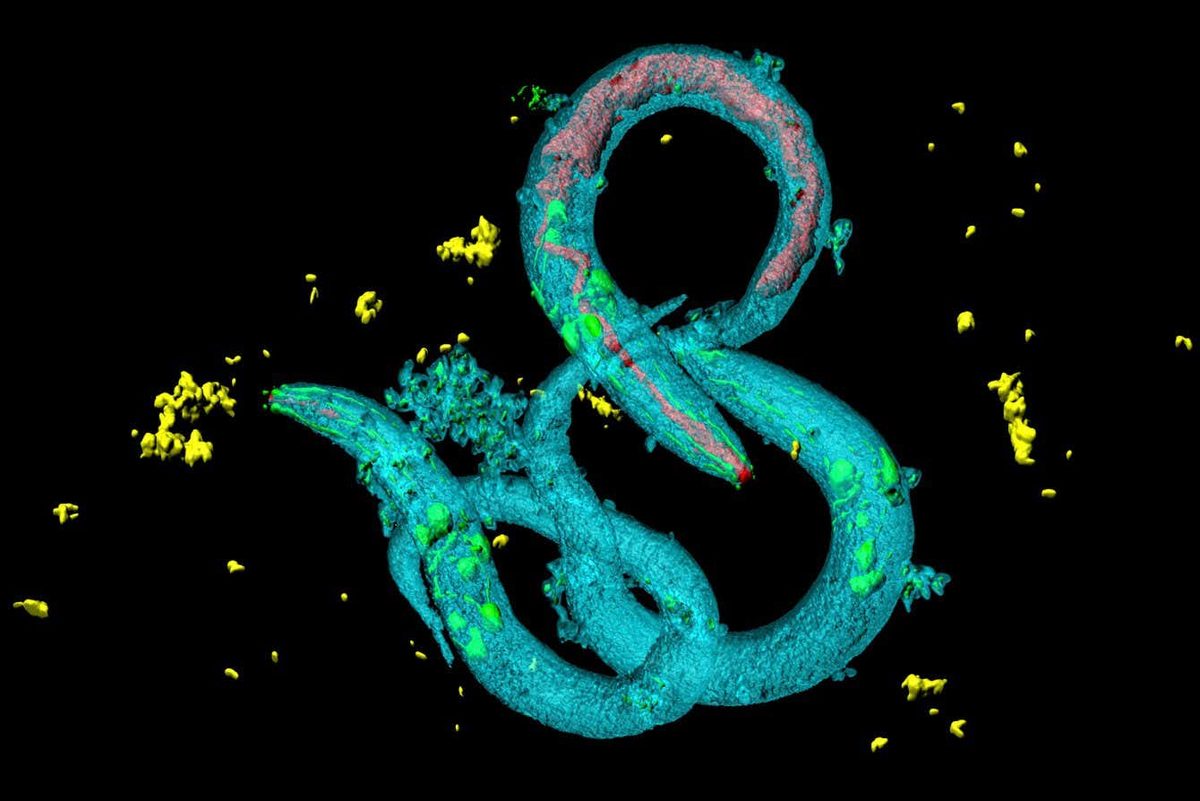
Microplastics have infiltrated our natural environment in alarming ways, posing significant risks to wildlife and ecosystems. Recent research has revealed a troubling trend: small nematode worms, over several generations, have developed a preference for food contaminated with microplastics. This behavioral shift is not just a peculiar anomaly; it could herald profound implications for ecosystem health and food webs, as these microscopic particles become increasingly ubiquitous in marine and terrestrial environments.
Key Details
- Study conducted on nematode worms, revealing a generational preference for microplastic-laden food.
- As microplastics become more prevalent in various ecosystems, the potential for altered animal behaviors increases.
- The shift in feeding preferences raises questions about nutrient absorption and energy transfer within food chains.
- Scientists warn that such changes could have cascading effects on biodiversity and the health of ecosystems.
- Further research is needed to understand the long-term consequences of microplastic consumption in various species.
Background
Microplastics, defined as plastic particles less than 5mm in size, have emerged as a pervasive pollutant in the environment, stemming from a variety of sources including the breakdown of larger plastic items and synthetic fibers released during washing. These particles have been found in remote areas of the oceans, deep-sea sediments, and even in the air we breathe. The presence of microplastics in ecosystems raises significant questions about their impact on wildlife, particularly as they enter food chains.
Nematodes, a group of roundworms that inhabit diverse environments, serve as an excellent model organism for studying the effects of microplastics. Their rapid reproduction and simple physiology allow scientists to observe evolutionary changes across generations, making them ideal for investigating how exposure to microplastics could influence behavior and health.
Analysis
The findings of the study on nematode worms present multiple layers of concern. First and foremost, the preference for microplastic-contaminated food suggests that these worms may not only be ingesting harmful substances but may also be altering their feeding habits in a way that could compromise their health. Microplastics have been shown to carry toxic chemicals, pathogens, and other pollutants, which could lead to detrimental health effects for organisms that consume them.
The implications of these behavioral changes extend beyond the worms themselves. As nematodes serve as a foundational component of various ecosystems, their altered feeding habits could disrupt the entire food web. For instance, if nematodes increasingly prefer microplastic-laden food, the energy transfer from these organisms to higher trophic levels could be negatively affected. Predators that rely on nematodes as a food source may face diminished health or reproductive success due to the bioaccumulation of toxins.
Moreover, this situation is emblematic of a broader issue: as microplastics continue to infiltrate ecosystems, the potential for similar behavioral adaptations in other species increases. Other organisms, from fish to birds, might also begin to exhibit preferences for contaminated food sources, compounding the problem and leading to widespread ecological consequences.
Conclusion
As research into the impact of microplastics evolves, it is increasingly clear that the threat they pose extends far beyond mere environmental pollution. The altered feeding behaviors observed in nematode worms serve as a warning signal about the potential for long-term ecological damage. These findings underline the urgent need for comprehensive strategies to mitigate plastic pollution and protect the health of our ecosystems. Addressing this issue requires not only reducing plastic waste at the source but also fostering greater awareness of the pervasive nature of microplastics and their far-reaching consequences.