FCC Greenlights Skydance's $8 Billion Paramount Acquisition, Sparking Controversy
Introduction
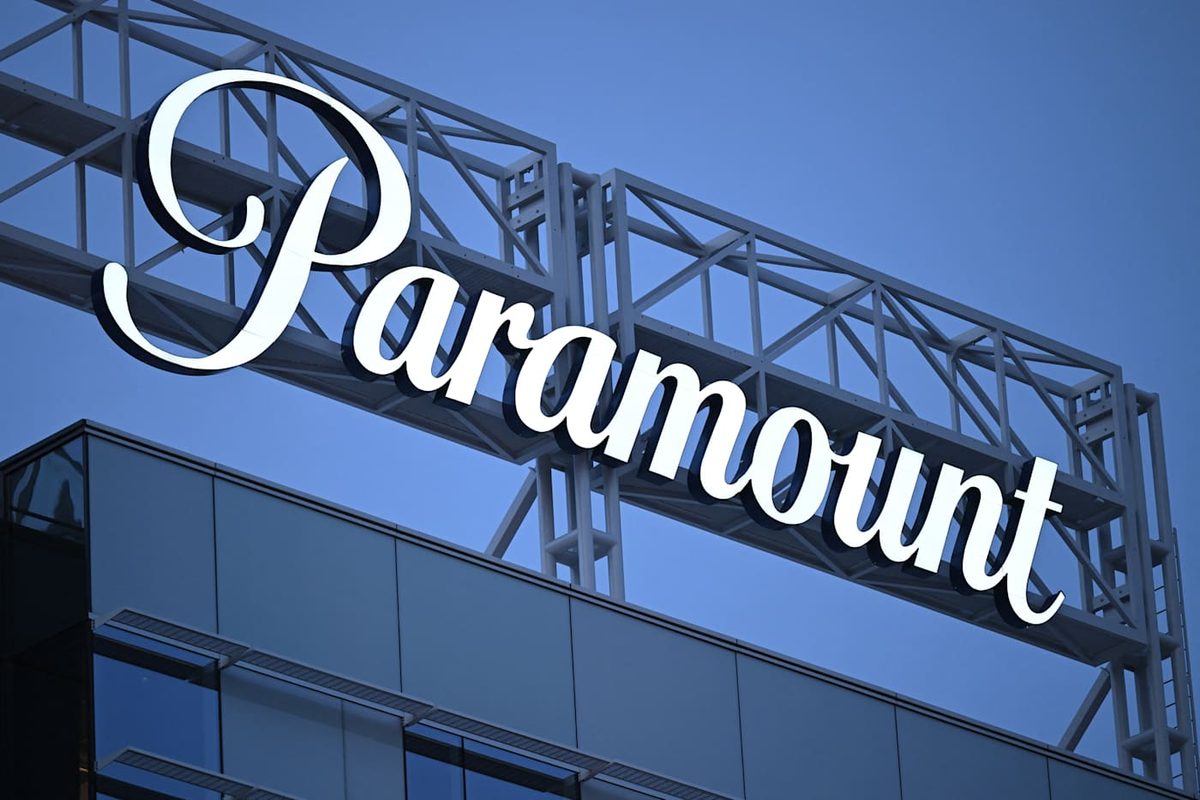
The recent approval by the Federal Communications Commission (FCC) regarding Skydance's acquisition of Paramount Global, valued at $8 billion, has sparked significant debate. This decision not only marks a substantial corporate merger in the entertainment sector but also raises questions about media integrity and governmental overreach in regulating press freedom. The acquisition includes key subsidiaries such as CBS Network, making it a pivotal moment in the landscape of American media.
Key Details
- The FCC approved Skydance's $8 billion purchase of Paramount Global and its subsidiaries.
- FCC Chairman Brendan Carr emphasized the necessity for a diversity of viewpoints in news and entertainment programming.
- Commissioner Anna M. Gomez expressed concerns regarding the implications of the acquisition on press freedom and the nature of a recent legal settlement.
- Paramount agreed to pay $16 million to settle a lawsuit filed by Donald Trump concerning a CBS interview.
- Legal experts suggest the settlement was a strategic move to facilitate the merger's approval.
Background
Skydance, known for its involvement in film production and distribution, has set ambitious goals for revitalizing Paramount’s operations. Under the leadership of CEO David Ellison, the company intends to improve its streaming technology and reduce operational costs. Paramount has invested heavily in its streaming service Paramount+, yet has struggled to achieve profitability. The pending acquisition comes at a time when the media landscape is rapidly transforming, with traditional broadcasters facing fierce competition from digital platforms.
In a statement regarding the acquisition, FCC Chairman Brendan Carr welcomed Skydance's commitment to implementing significant changes at CBS. Carr noted that Skydance had made written commitments to promote a balance of viewpoints across the political spectrum, adding that the company would not establish Diversity, Equity, and Inclusion (DEI) programs. This decision is reflective of a broader trend where media companies are increasingly scrutinized for their editorial choices and perceived biases.
Impact Analysis
The approval of the acquisition has profound implications for the future of CBS and the media landscape as a whole. Carr's assertion that the American public's trust in legacy media has eroded highlights a growing sentiment among audiences. His comments suggest a shift toward accountability in media reporting, where outlets are expected to provide fair and factual coverage devoid of political bias.
“Americans no longer trust the legacy national news media to report fully, accurately, and fairly. It is time for a change...”
However, the dissenting voice of Commissioner Gomez raises critical concerns about the potential erosion of press freedom. Gomez argues that the $16 million payout to settle Trump's lawsuit, which alleged deceptive editing during a CBS interview, reflects a troubling trend of media companies capitulating to external pressures. Her position is grounded in the belief that government intervention in media operations can lead to censorship and a compromise of journalistic integrity.
Broader Context
The Skydance-Paramount deal occurs against a backdrop of increasing scrutiny of media organizations and their relationships with political entities. As consumers demand more transparency and accountability from news sources, the stakes for media companies have grown. This acquisition may be seen as a response to that demand, as Skydance positions itself to revamp CBS's reputation and operational practices.
Furthermore, the legal settlement with Trump underscores the complexities involved in media operations today. The decision to allocate funds to Trump's presidential library, rather than compensating him directly, suggests an attempt to mitigate backlash while navigating the politically charged environment surrounding media coverage. This move may be interpreted as an effort to preserve freedom of the press, but it simultaneously raises questions about the underlying motivations of corporate media in the face of political pressures.
Future Outlook
Looking ahead, the approval of Skydance's acquisition of Paramount is likely to shape the future of CBS and its approach to news reporting. If Skydance follows through on its commitments to diversify programming and enhance journalistic standards, it could foster a new era of trust between media outlets and the public. However, the lingering concerns voiced by Commissioner Gomez highlight the potential risks associated with corporate ownership of media entities.
The media industry is at a crossroads, and the outcomes of such high-stakes acquisitions will play a significant role in determining how media companies adapt to changing public expectations. The balance between corporate interests and the principles of journalism will continue to be tested as companies navigate the complexities of the modern media landscape.
Conclusion
The FCC's approval of Skydance's acquisition of Paramount reflects ongoing tensions in the media industry regarding trust, integrity, and governmental influence. While the potential for revitalization of CBS under new ownership is promising, it also brings to light significant concerns over press freedom and the ethical responsibilities of media corporations. As the landscape evolves, stakeholders across the spectrum—companies, journalists, and the public—must engage in dialogue to ensure that the media serves the public interest while upholding the core values of journalism.