Exploring the Promise and Pitfalls of Emerging Healthcare Technologies in Lara Lewington’s New Book
Exploring the Promise and Pitfalls of Emerging Healthcare Technologies in Lara Lewington’s New Book
Introduction
In her latest book, Hacking Humanity, technology presenter and writer Lara Lewington takes readers on a comprehensive journey through the rapidly evolving landscape of healthcare technology. From wearable devices to AI-driven diagnostics, Lewington highlights an array of innovations that promise to revolutionize patient care and medical practice. However, while the book celebrates the possibilities of these advances, it also raises important questions about the challenges and limitations that come with integrating technology into healthcare systems worldwide.
Key Details
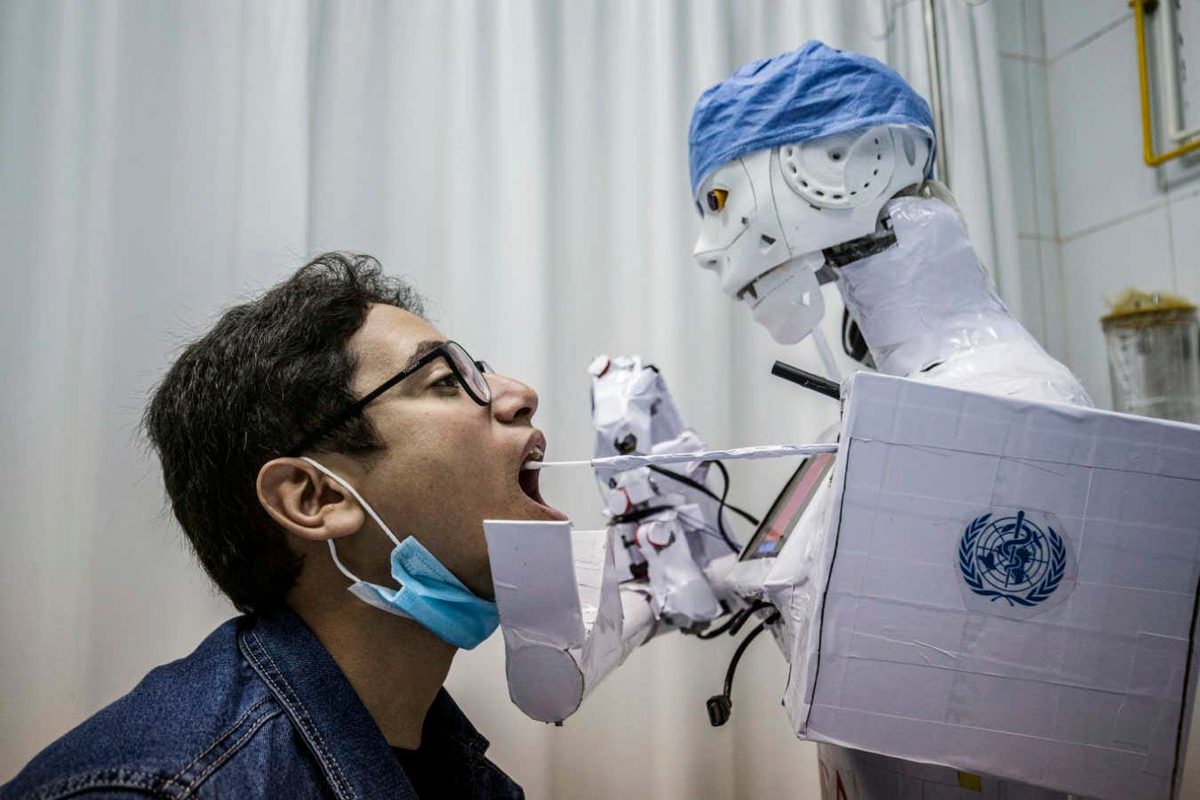
- Focus on cutting-edge technologies: Lewington covers AI, robotics, telemedicine, wearable health monitors, and genetic editing as key forces transforming healthcare.
- Optimistic perspective: The narrative emphasizes the benefits of technology in enhancing patient outcomes, speeding up diagnoses, and making healthcare more accessible.
- Lack of deep critical analysis: Critics note the book’s tendency to underplay ethical and systemic issues that technology may exacerbate.
- Accessible style: Written for a general audience, the book avoids technical jargon, making complex topics approachable.
- Real-world examples: Case studies from hospitals and startups illustrate how technologies are applied in practice.
Background
The healthcare sector has been undergoing a technological transformation for decades, but recent advancements in artificial intelligence, machine learning, and biotechnology have accelerated this shift considerably. Innovations such as AI-powered imaging diagnostics, personalized medicine based on genetic data, and remote monitoring via smart devices are steadily moving from experimental stages to mainstream use. Governments and private investors worldwide are pouring resources into health tech, anticipating a future where technology not only improves efficiency but also democratizes access to quality medical care.
However, this rapid development also brings significant challenges. Issues surrounding data privacy, algorithmic bias, medical ethics, and unequal access have sparked ongoing debates among policymakers, clinicians, and patients. Books like Hacking Humanity enter this complex conversation by attempting to map out the technological landscape and its potential impact.
Analysis
Lewington’s book shines in its enthusiastic portrayal of how technology is enhancing healthcare capabilities. She adeptly showcases devices and platforms that can monitor vital signs in real time, predict health risks with AI, and facilitate remote consultations that bridge geographical barriers. The democratizing potential of telemedicine and personalized health tracking is a particularly strong theme, suggesting a future where patients have more agency and better information at their fingertips.
Despite these strengths, the book tends to adopt a predominantly optimistic tone, which some readers and experts might find lacking in critical depth. For example, the ethical implications of AI decision-making in life-or-death scenarios receive limited attention. Similarly, the social and economic disparities that could widen if access to these technologies remains uneven are not explored in detail. Issues of data security and patient consent, crucial in a data-driven healthcare environment, are mentioned but not critically dissected.
Another important aspect is the real-world implementation of healthcare technology, which often faces regulatory hurdles, high costs, and resistance from established medical institutions. While Hacking Humanity presents inspiring case studies, it could benefit from a more nuanced discussion about these barriers and the complexities involved in scaling new technologies sustainably.
Moreover, Lewington’s focus on the technology itself sometimes overshadows the human element—the experiences of patients and healthcare workers adapting to these changes. A more balanced approach might include how cultural, psychological, and institutional factors influence the adoption and effectiveness of health tech innovations.
Conclusion
Hacking Humanity by Lara Lewington offers a compelling and accessible overview of the exciting technological advances shaping the future of healthcare. Its enthusiasm for innovation is infectious, making complex topics understandable for a wide audience. However, the book’s limited critical engagement with the ethical, social, and systemic challenges means readers should approach it as an introduction rather than a comprehensive analysis.
As healthcare technology continues to evolve at a breakneck pace, ongoing critical reflection and inclusive dialogue will be essential to ensure these tools benefit society broadly and equitably. Lewington’s book is an important conversation starter, highlighting the potential of technology while inviting further examination of how best to integrate it into the human-centered field of medicine.