Innovative Herpes Virus Therapy Shows Promise Against Advanced Skin Cancer
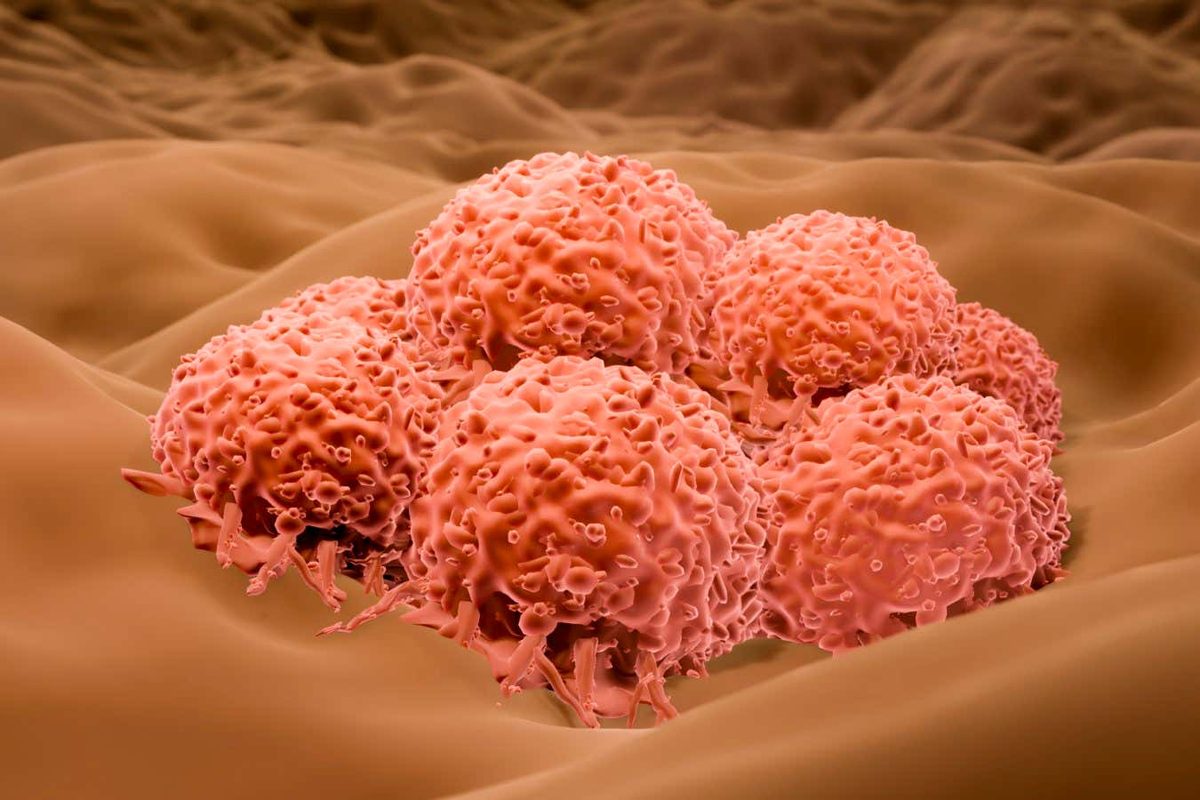
Innovative Herpes Virus Therapy Shows Promise Against Advanced Skin Cancer
Introduction
In what could be a significant breakthrough in oncological treatment, scientists have developed a genetically modified herpes virus capable of attacking and shrinking tumors in patients suffering from late-stage melanoma, a severe form of skin cancer. This novel therapy leverages the natural ability of viruses to infect cells, redirecting it to selectively target and destroy cancer cells. Pending regulatory approval, this treatment could offer new hope to patients who have limited options after conventional therapies have failed.
Key Details
- The therapy uses a genetically engineered herpes simplex virus designed to selectively infect and kill melanoma tumor cells.
- Clinical trials have shown that approximately one-third of patients with advanced melanoma experienced significant tumor shrinkage following treatment.
- The virus not only directly attacks cancer cells but also stimulates the patient’s immune response against the tumors.
- Approval by health authorities is anticipated soon, potentially making this one of the first oncolytic virus therapies available for melanoma.
- This treatment could complement existing immunotherapies and targeted therapies, offering a new line of defense against skin cancer.
Background
Skin cancer, particularly melanoma, is one of the fastest-growing cancers worldwide and is notorious for its aggressive nature and resistance to treatment in advanced stages. Traditional treatments include surgery, chemotherapy, radiation, and immunotherapy. However, late-stage melanoma often evades these interventions, leading to poor survival rates. The use of oncolytic viruses—viruses that preferentially infect and destroy cancer cells—has emerged over the past decade as a promising frontier in cancer therapy. The herpes simplex virus, modified to be safe and selectively cytotoxic, has been under investigation for years, with this recent study marking a major milestone.
Analysis
The success of this herpes virus-based therapy lies in its dual mechanism of action. First, it directly infects and lyses melanoma cells, causing tumor reduction. Second, by releasing tumor antigens during cell destruction, it primes the immune system to recognize and attack remaining cancer cells more effectively. This immunogenic aspect is particularly valuable because it may lead to longer-lasting tumor control. The approximately one-third response rate observed in clinical trials is encouraging, especially considering the limited effectiveness of existing treatments for late-stage disease.
However, challenges remain. Not all patients respond, and the reasons for variability are subjects of ongoing research. Additionally, there are concerns about potential side effects related to viral therapy, such as inflammation or unintended infection of healthy cells, although trials so far have reported manageable safety profiles. The integration of this therapy into existing treatment protocols will require careful consideration, including timing, combination with other immunotherapies, and patient selection.
Conclusion
As the medical community awaits regulatory approval, the herpes virus therapy represents a promising advance in the fight against advanced melanoma. Its ability to directly kill tumor cells while engaging the immune system offers a novel and potent approach. If approved, it would broaden the arsenal of treatments available to oncologists and provide renewed hope for patients facing this challenging diagnosis. Ongoing studies will further clarify its optimal use and long-term benefits, potentially paving the way for similar viral therapies in other cancer types.