HDMI 2.2 Doubles Data Speed to 96 Gbps: What It Means for Your Devices
Introduction
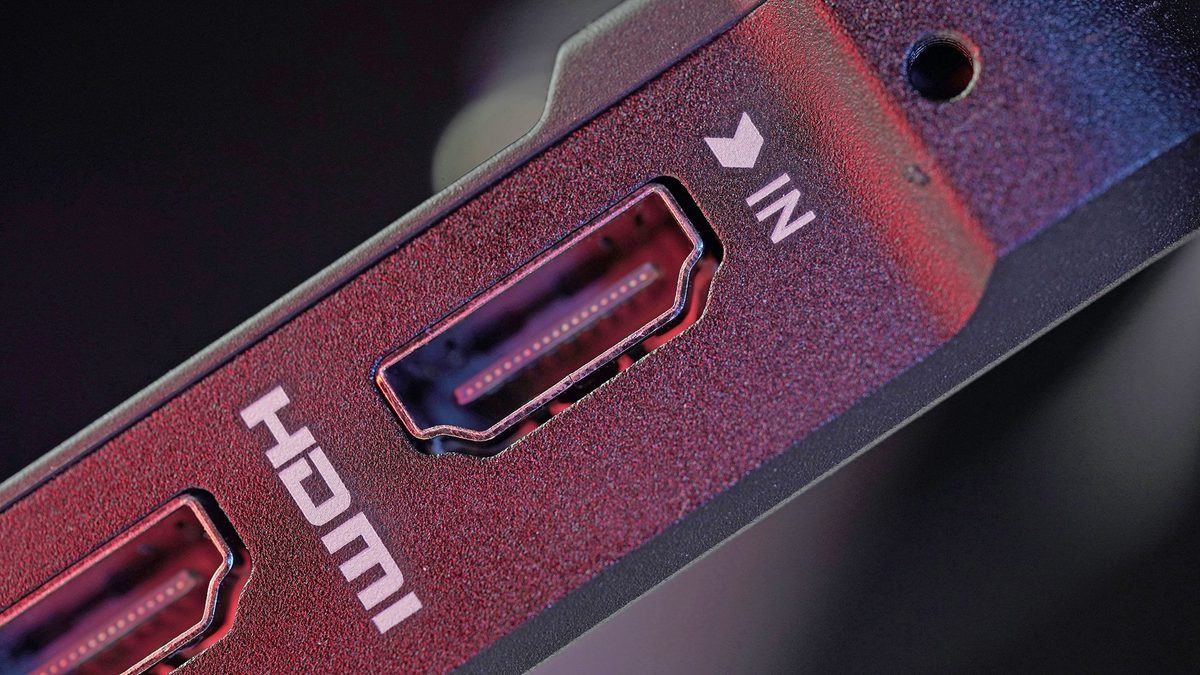
High-Definition Multimedia Interface (HDMI) technology is a cornerstone of modern digital connectivity, found in nearly all computers, TVs, and home theater devices. After nearly eight years since HDMI 2.1 was introduced, and over a decade since HDMI 2.0, the HDMI Forum has finalized version 2.2, marking a significant advancement in audiovisual data transmission.
This article explores the key upgrades in HDMI 2.2, what they mean for consumers and manufacturers, and the broader implications for the evolving landscape of digital media consumption.
Key Details
- Data Rate Increase: HDMI 2.2 doubles the maximum bandwidth from 48 Gbps to 96 Gbps.
- Resolution & Refresh Rate: Supports up to 16K resolution at 60 Hz and 12K at 120 Hz with trade-offs between resolution and refresh rate.
- Improved Color & Audio: Enhanced color depth, more audio formats, and reduced compression enable richer audiovisual experiences.
- Latency Indication Protocol (LIP): New protocol aimed at minimizing audio-video synchronization issues across multiple devices.
- Backward Compatibility: HDMI 2.2 devices and cables will still work with older HDMI versions, scaling down performance as needed.
- Ultra96 Cable: The new standard introduces Ultra96 cables designed to handle the higher bandwidth.
Background
HDMI technology emerged in the early 2000s as a standard for transmitting high-definition video and audio through a single cable. Over time, it evolved to meet increasing demands for higher resolutions, faster frame rates, and richer audio formats. HDMI 2.0, released in 2013, enabled 4K video at 60 Hz, while HDMI 2.1, launched in 2017, increased bandwidth to 48 Gbps to support 8K video and new features like variable refresh rates.
With the rise of high-resolution content, gaming innovations, and immersive home theater experiences, the demand for even greater data throughput has steadily grown. HDMI 2.2 addresses these needs by doubling the maximum transmission bandwidth, facilitating future-proofing as media technology advances.
Impact Analysis
The doubling of bandwidth to 96 Gbps is the headline feature of HDMI 2.2 and enables several notable improvements. Higher bandwidth allows for:
- Increased Resolution and Frame Rates: Devices can now theoretically support up to 16K resolution at 60 Hz, or 12K resolution at 120 Hz. This marks a considerable leap beyond current commercial 8K offerings and anticipates future display technologies.
- Enhanced Visual Fidelity: Greater color depth and less compression mean that images will appear more vibrant and true to life.
- More Audio Flexibility: Support for a broader range of audio formats enhances the immersive experience in home theaters and professional setups.
- Reduced Latency: The new Latency Indication Protocol (LIP) is designed to improve synchronization between audio and video streams, reducing the common annoyance of delays between sound and picture, especially in complex multi-device setups.
However, realizing these benefits depends heavily on the entire ecosystem: content providers, playback devices (such as TVs, monitors, gaming consoles), and cables all must support HDMI 2.2. This ecosystem-wide upgrade cycle can take several years, meaning early adopters may not immediately experience the full advantages.
Broader Context
The evolution of HDMI standards parallels the rapid advancement of digital content technology and consumer expectations. With streaming services pushing 4K and 8K content, and gaming consoles requiring high refresh rates and low latency connections, HDMI 2.2 arrives as a timely response to these market demands.
Moreover, as virtual reality (VR), augmented reality (AR), and other immersive technologies become more mainstream, the need for ultra-high-definition content transmission will only increase. HDMI 2.2’s expanded capabilities may well support these emerging applications, bridging current limitations in bandwidth and latency.
It is also worth noting that HDMI 2.2’s introduction comes at a time when wireless technologies are improving but still can’t match the reliability and bandwidth of wired connections, particularly for high-end audiovisual setups.
Future Outlook
Despite the impressive technical specifications of HDMI 2.2, widespread adoption will be gradual. Electronics manufacturers typically wait until a critical mass of compatible devices and content is available before fully integrating new standards into consumer products.
The new Ultra96 cable, designed for 96 Gbps transmission, is an early indicator of the market’s direction, but prices for HDMI 2.2 compatible devices and accessories are expected to be high initially. Over time, as production scales and demand grows, costs will likely decrease, making the upgrade accessible to a broader audience.
Consumers should consider upgrading their equipment incrementally. Because HDMI 2.2 maintains backward compatibility, new cables and devices will function with existing hardware, allowing for a gradual transition without loss of functionality.
Ultimately, as content creators push the boundaries of resolution, frame rate, and audio complexity, HDMI 2.2 will provide the necessary infrastructure to deliver these experiences at home and in professional environments.
Conclusion
HDMI 2.2 represents a significant step forward in digital transmission standards, doubling data throughput to 96 Gbps and enabling resolutions up to 16K with improved audio-visual synchronization. While the current market adoption may be slow, this new standard lays the groundwork for future advancements in home entertainment and professional audiovisual setups.
For most consumers, immediate upgrades are not essential, but staying informed about HDMI 2.2 and its capabilities prepares users for future-proofing their technology investments as high-resolution content and sophisticated media devices become more prevalent.