Jurassic Ichthyosaurs Possibly Reduced Swim Noise by up to 10 Decibels, Revealing Silent Hunting Adaptations
Introduction
More than 180 million years ago, during the early Jurassic period, ichthyosaurs dominated the oceanic ecosystems as apex predators. These marine reptiles, ranging in size from a briefcase to larger than a school bus, preyed on fish, ammonites, and smaller marine reptiles. While their physical size and predatory dominance have long been acknowledged, recent research reveals new insights into their hunting strategies—specifically their adaptations for stealthy movement underwater.
Key Details
- The fossil in question is a remarkably well-preserved ichthyosaur fin, discovered at a construction site in southwestern Germany in 2009.
- This fin belongs to the genus Temnodontosaurus, a large ichthyosaur species first identified in the early 1800s by Mary and Joseph Anning.
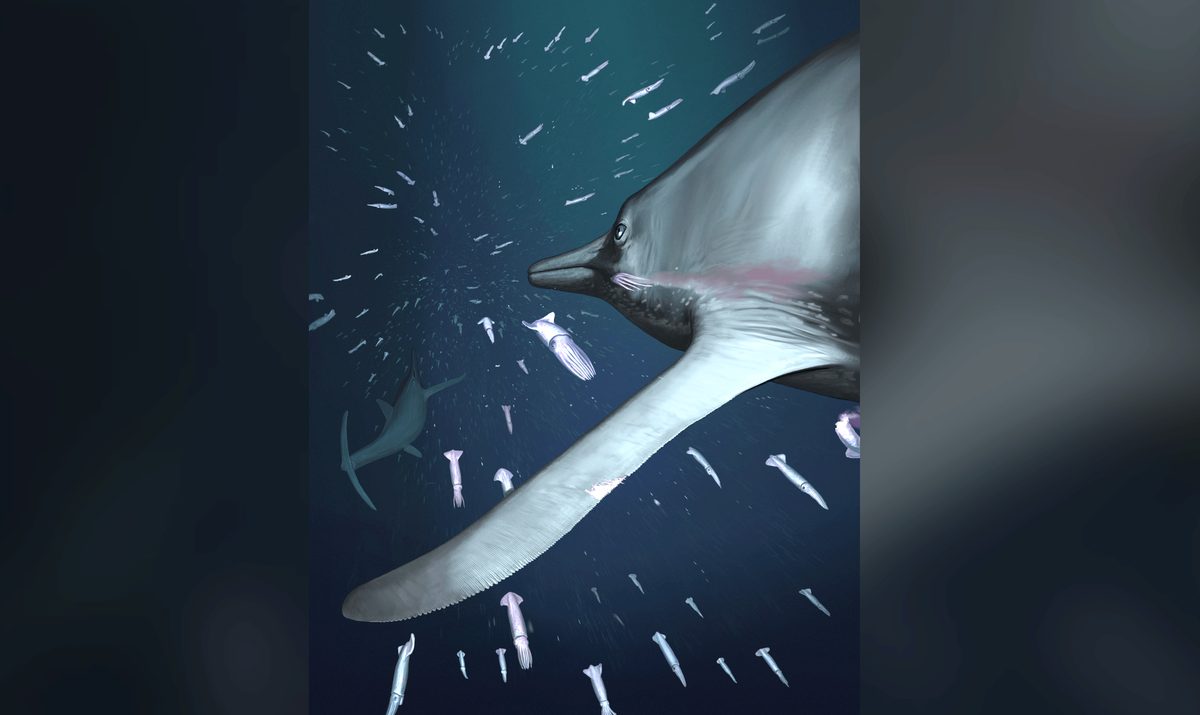
- The fossil includes soft tissue impressions, a rare find, showing cartilage-based serrations on the trailing edge of the fin, coined "chondroderms" by the researchers.
- Advanced imaging techniques, including electron and X-ray microscopy, were used alongside computer modeling to analyze the fin’s structure and potential function.
- Modeling suggests the fin’s ridges and serrations could reduce swimming noise by as much as 10 decibels, comparable to wearing foam earplugs.
- The unique flexible fin tip lacks bones, differing markedly from other known marine or terrestrial animals.
Background
The ichthyosaurs were large marine reptiles resembling modern dolphins or whales, but they lived during the Mesozoic era, flourishing in Jurassic seas. Temnodontosaurus, in particular, was a giant predator reaching lengths of over 30 feet, equipped with enormous eyes—the largest of any vertebrate known. These eyes likely allowed them to hunt in dimly lit environments, such as at night or in deep waters.
The fossil fin was scattered in chunks after a controlled blast at a limestone quarry. It took over a decade of careful examination by paleontologists, including Johan Lindgren from Lund University, to piece together the fin and analyze its unique features. The soft tissue preservation provided an unprecedented glimpse into ichthyosaur anatomy beyond just bones.
Impact Analysis
The discovery of cartilage-based serrations, or chondroderms, on the fin’s trailing edge is significant. While some animals have bony structures embedded in their skin for protection, this cartilage-skin combination is unique. The serrations and horizontal ridges are hypothesized to function like serrated blades seen in modern technology—such as wind turbines and aircraft propellers—that reduce noise by disrupting airflow.
Drawing parallels to the silent flight adaptations of owls, which have serrated wing edges to minimize sound, the study suggests Temnodontosaurus may have swum quietly to approach prey undetected. This stealth mechanism would be advantageous in low-light or deep-water conditions where sound cues are essential for both predator and prey.
Computer simulations supported this hypothesis, indicating a potential noise reduction of up to 10 decibels, which is substantial for underwater acoustics. This reduction could have given ichthyosaurs an evolutionary edge in hunting efficiency.
Broader Context
Ichthyosaur fossils have historically been studied mainly for their skeletal features, but this research highlights the importance of soft tissue preservation in understanding extinct animals' ecology and behavior. The interdisciplinary approach combining microscopy and computational modeling sets a precedent for future paleontological studies.
Experts like Lars Schmitz and Nicholas Pyenson emphasize the value of such discoveries for reexamining existing fossil collections and even influencing studies of modern marine animals. For instance, overlooked cartilaginous or ridged structures on living marine mammals could serve acoustic functions akin to those hypothesized here.
Future Outlook
While the fin fossil provides compelling evidence for sound-dampening adaptations, many questions remain. The full three-dimensional shape of the fin and other soft tissue features of Temnodontosaurus are yet unknown. Further modeling is necessary to explore alternative explanations such as hydrodynamic benefits related to speed and maneuverability.
Moreover, the study opens the door for paleontologists to revisit other ichthyosaur specimens and potentially discover more examples of soft tissue adaptations. Expanding this research could refine our understanding of marine reptile evolution and how sensory and predatory strategies developed over millions of years.
Conclusion
This groundbreaking study sheds new light on how giant ichthyosaurs like Temnodontosaurus may have used specialized fin structures to reduce swimming noise, effectively making them "silent assassins" of Jurassic seas. By integrating rare soft tissue fossil evidence with modern analytical techniques, scientists have unveiled an evolutionary adaptation previously unknown in marine reptiles. This discovery not only enriches our understanding of ichthyosaur biology but also underscores the ongoing need to look beyond bones in the fossil record to fully appreciate the complexity of extinct life.