Chennai's Fisherfolk: A Life of Hardship, Resilience, and Deep Sea Connection
Introduction
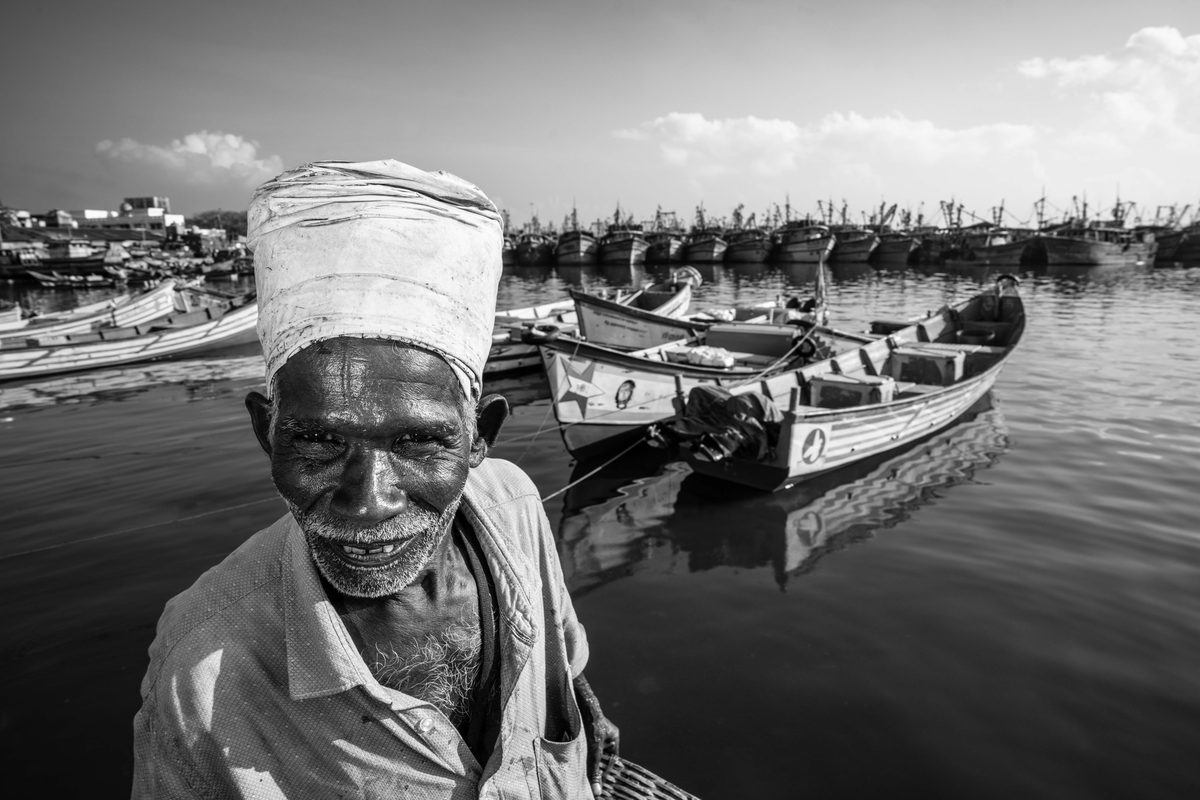
The Kasimedu harbor in Chennai, India, is a vibrant hub of activity, teeming with thousands of individuals whose lives are inextricably linked to the sea. From dawn till dusk, fishermen, auctioneers, hawkers, and the often-unseen support staff navigate a challenging and precarious existence. This report offers a glimpse into their world, focusing on the daily struggles, the deep-seated resilience, and the profound, almost spiritual, connection these communities share with the ocean.
Key Details
- Grueling Labor: 'Basket men' like 60-year-old Pavadairayan work from 2 a.m. to 7 a.m. daily, carrying 35-pound baskets of fish over slippery, damp paths for approximately a third of a mile, making 40-50 trips per shift.
- Low Earnings & Risks: These workers earn around $5 a day and face potential pay docking and fines for perceived missing fish, with limited rights.
- Community Size & Overcrowding: Kasimedu harbor supports around 30,000 people, but is significantly overcrowded, with over 1,000 boats using facilities designed for fewer than 600.
- Past Smuggling: Nandu Kumar, 65, a fisherman, recounts his past as a smuggler of alcohol and cigarettes in the early 1980s due to high import duties, a practice that ended with economic reforms in 1991.
- Personal Tragedy & Career Shift: Kumar transitioned from fishing to selling fish after his daughter's suicide, driven by the need for a stable income to raise his grandchildren.
- Researcher's Perspective: Bhagat Singh, a researcher and social worker, emphasizes the 'feast or famine' nature of the fishing livelihood, the lack of safety nets, and the invisibility of their labor, with average earnings of $200 a month during good seasons.
- Youth Engagement: Despite the hardships, some younger individuals, like 25-year-old Nizamuddin, embrace fishing, finding fulfillment and a means to support their families, even as many peers seek more stable employment.
Background
The Kasimedu fishing harbor in Chennai is more than just a marketplace; it is a microcosm of a community built on generations of reliance on the sea. The individuals working here, from the earliest hours of the morning, are engaged in a labor-intensive and often dangerous profession. The harbor itself, designed for a much smaller capacity, now groans under the weight of more than a thousand boats, highlighting the growing pressure on resources and infrastructure. This overcrowding exacerbates the challenges faced by the fisherfolk, making their daily routines even more arduous.
Impact Analysis
The economic realities for the fisherfolk are stark. Daily wage earners like the basket men face extreme physical exertion for meager pay, with little job security. The threat of fines and docked wages, coupled with their limited rights, creates a climate of vulnerability. For fishermen, the income is highly unpredictable, dependent on the vagaries of the sea and weather. A single bad season or a poor catch can plunge a family into severe debt, a situation made worse by the absence of robust social safety nets. Bhagat Singh’s observation that their labor remains largely “invisible” underscores a systemic issue where the immense effort and risk involved in providing seafood are not adequately recognized or compensated.
Broader Context
The experiences at Kasimedu reflect broader trends in coastal fishing communities worldwide. Many face similar challenges: declining fish stocks due to overfishing and climate change, increasing competition from industrial fishing, and inadequate government support. The lure of more stable, land-based employment often draws younger generations away, yet, as observed by Singh, the inherent independence and connection to the sea can lead some back to the profession mid-life. The story of Nandu Kumar, who turned to smuggling to survive economic hardship and later found stability in fish vending after personal tragedy, illustrates the complex interplay of economic policy, personal circumstances, and the enduring pull of the maritime life.
Future Outlook
The future of Kasimedu's fisherfolk is uncertain. While the demand for seafood remains high, the sustainability of current fishing practices and the well-being of the workers are significant concerns. Potential solutions could involve better harbor management, stricter regulations on fishing to ensure sustainability, improved safety measures at sea, and the establishment of stronger social security systems for these workers. Encouraging diversification within the fishing sector, perhaps through value-added products or sustainable aquaculture, might also offer alternative income streams. However, the deep-seated cultural and personal connection to the sea, as expressed by Nandu Kumar, suggests that fishing will likely remain a core part of life in Kasimedu, even as the community grapples with the need for change.
Conclusion
The lives of the fisherfolk in Kasimedu harbor are a testament to human resilience in the face of considerable adversity. Pavadairayan's enduring spirit despite his back-breaking work, Nandu Kumar's journey through hardship and loss, and Nizamuddin's commitment to his chosen path all paint a picture of a community deeply connected to the sea. Their stories highlight the critical need for greater recognition of their labor, improved working conditions, and robust support systems to ensure a more secure and dignified future for those who provide us with our daily catch.
Source: npr.org