Astronauts' Gut Bacteria Shift Dramatically in Space, Leading to Constipation and Potential Health Risks
Introduction
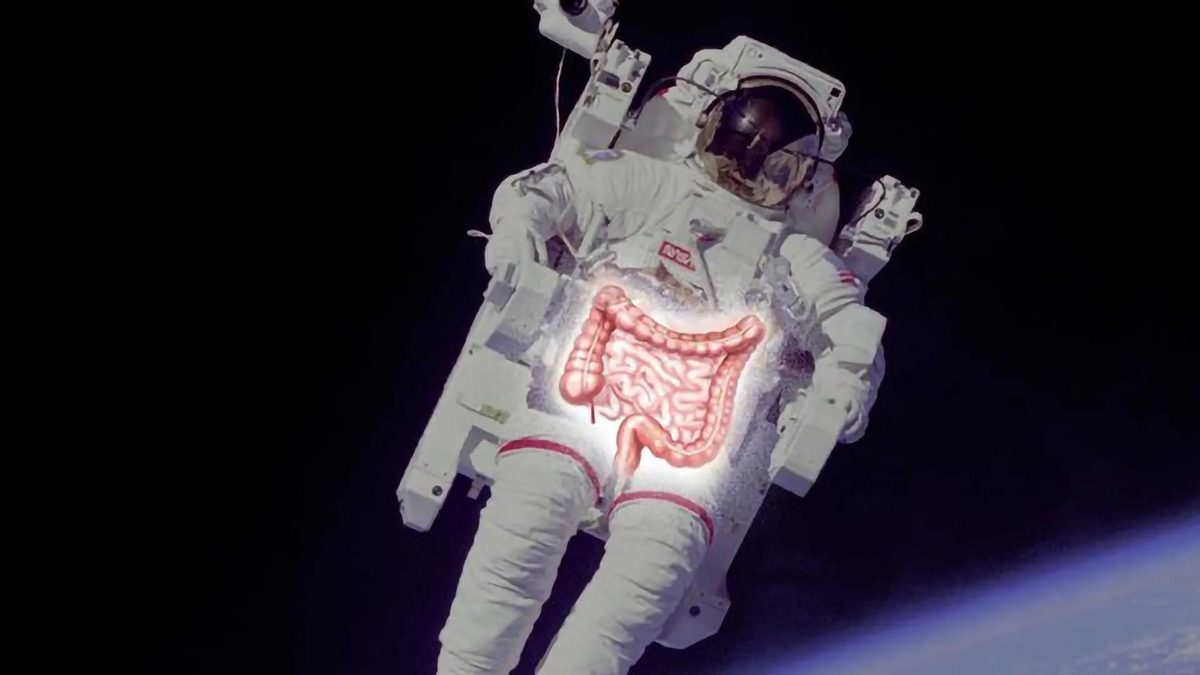
Constipation is a well-documented, yet often poorly understood, consequence of space travel. Astronauts frequently experience digestive disruptions during missions, but the underlying physiological mechanisms have remained elusive. Now, groundbreaking research from the University of Copenhagen, in collaboration with NASA, offers a compelling explanation: a rapid and significant shift in gut bacteria composition and function within weeks of entering microgravity.
Key Details
- Gut Bacteria Shift: Within weeks of arriving in space, astronauts' gut bacteria begin to ferment protein to a greater extent than usual. This pattern persists throughout their mission.
- Mechanism: Researchers hypothesize that microgravity slows food transit time in the intestines, allowing bacteria more opportunity to ferment protein instead of fiber.
- Health Implications: Increased protein fermentation produces metabolites that can negatively affect kidney health, mood, and cognitive function (ability to focus).
- Study Population: The research analyzed blood samples from 52 astronauts who had spent extended periods on the International Space Station (ISS).
- Methodology: A non-targeted metabolomics approach was used to analyze a broad range of metabolites in blood samples, revealing consistent changes across multiple astronauts and missions.
- Collaboration: The study is a product of international scientific cooperation, involving researchers from the University of Copenhagen and NASA scientists Sara R. Zwart and Scott M. Smith.
Background
The human body undergoes numerous adaptations when exposed to the unique environment of space. Reduced gravity, altered fluid shifts, and confined living conditions all contribute to physiological changes. While the effects on bone density and muscle mass are well-studied, the impact on the complex ecosystem of the gut microbiome has received less attention until recently. The common complaint of constipation among astronauts served as a crucial starting point for this investigation, prompting scientists to look for microbial and metabolic signatures associated with spaceflight.
Impact Analysis
The study’s findings suggest that the digestive discomfort experienced by astronauts is not merely an inconvenience but a symptom of profound internal changes. The increased protein fermentation is linked to the production of potentially harmful metabolites. These molecules can enter the bloodstream and exert systemic effects, including potential kidney damage and negative impacts on mental well-being. The gut-brain axis, a critical communication pathway between the digestive system and the brain, means that gut dysbiosis can manifest as reduced mood and impaired concentration – critical faculties for astronauts operating complex systems in a high-stakes environment.
“We see changes in astronauts' blood samples that indicate that the gut bacteria begin to ferment protein to a greater extent than usual within weeks after the astronauts arrive in space, and this change continues until they are back on Earth,” stated Giorgia La Barbera, joint first author and associate professor at the Department of Nutrition, Exercise and Sports, University of Copenhagen.
Broader Context
The implications of this research extend beyond the immediate concerns of astronaut health during current space missions. As humanity sets its sights on longer voyages to the Moon and Mars, understanding and mitigating these physiological changes becomes paramount. Astronauts on Mars missions could spend years in microgravity, amplifying the potential negative consequences of altered gut function. This study provides critical data that can inform the development of countermeasures, such as dietary interventions or prebiotic supplementation, aimed at maintaining a healthy gut microbiome and preventing associated health issues.
Future Outlook
The researchers propose several strategies to counteract the observed changes. Increasing dietary fiber intake, supplementing with prebiotics, and employing treatments that promote peristalsis (the muscular contractions that move food through the digestive tract) could help reduce gut transit time. By shortening the time food spends in the intestines, the opportunity for excessive protein fermentation can be minimized, fostering a healthier gut environment. Furthermore, the findings have potential applications for individuals on Earth who experience similar digestive issues due to prolonged immobility, such as bedridden patients. The study highlights the interconnectedness of physiological systems and the universal relevance of gut health research.
Conclusion
This comprehensive study, published in Nature Communications, successfully identified a key physiological shift occurring in astronauts during spaceflight – an increase in gut microbial protein fermentation. This discovery not only explains the common problem of constipation in microgravity but also raises awareness of potential broader health risks, including impacts on mood and cognition. The research underscores the importance of gut health for astronaut well-being and provides a scientific foundation for developing targeted interventions to ensure the success and safety of future long-duration space missions, while also offering insights into digestive health on Earth.
Source: sciencedaily.com