Fresh Scent, Invisible Danger: Cleaning Products Unleash Billions of Nanoparticles
Introduction
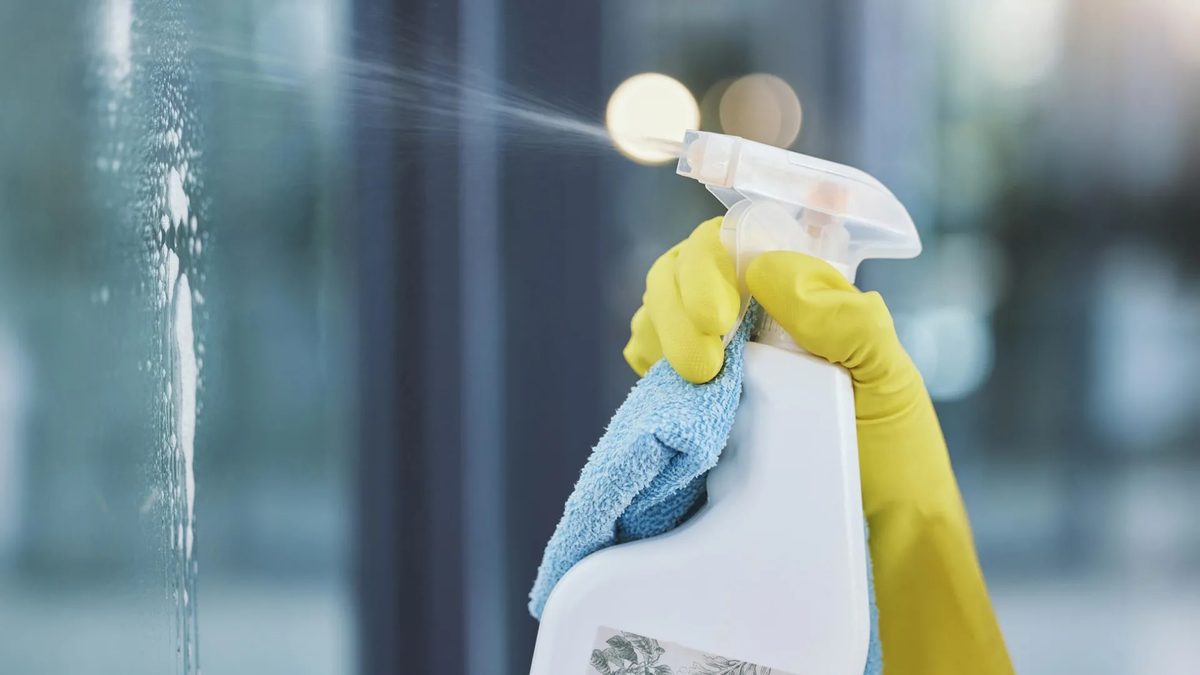
The pleasant aroma of citrus, pine, or floral scents after cleaning often signifies a hygienic environment. However, this familiar smell may be masking a hidden source of indoor air pollution: the rapid formation of billions, even trillions, of invisible nanoparticles. Research presented by Purdue University scientists indicates that everyday cleaning products, both conventional and those derived from botanical sources, can react with ozone present in indoor air to generate these ultrafine particles, which can travel deep into the human respiratory system.
Key Details
- Source of Nanoparticles: Scented cleaning products, including sprays and wipes containing fragrances like terpenes (e.g., pinene, limonene), react with indoor ozone.
- Particle Formation: This reaction creates billions to trillions of nanoparticles, measuring 1-30 nanometers, within minutes of cleaning.
- Health Risk: These ultrafine particles can penetrate deep into the lungs and potentially enter the bloodstream, contributing to respiratory irritation and inflammation.
- Exposure Levels: The inhaled particle dose can be comparable to or even greater than standing near heavy traffic.
- Detection Difficulty: Most home air quality monitors cannot detect these ultrafine particles, leaving occupants unaware of the pollution.
- Ozone Intensification: Using scented cleaners simultaneously with ozone-generating devices, such as far-UV-C lamps, significantly intensifies nanoparticle formation.
- Recommendations: Consumers are advised to choose low-fragrance or fragrance-free products, improve ventilation, avoid using multiple scented products together, and refrain from using scented cleaners with ozone-generating devices.
Background
For years, atmospheric scientists have understood that volatile organic compounds (VOCs), such as those released by plants, can react with ozone to form atmospheric particles. This process, however, is typically slow in outdoor environments due to lower concentrations of these compounds. The situation indoors can be dramatically different. Cleaning products, especially those with strong fragrances, release significant amounts of terpenes and related compounds. Concentrations of these fragrance molecules indoors during cleaning can be tens or even hundreds of times higher than those found in natural forest environments. Researchers Brandon Boor and Nusrat Jung at Purdue University initiated this investigation during the COVID-19 pandemic, noticing the prevalence of strong fragrances in cleaning and disinfecting products and questioning their impact on indoor air quality.
Impact Analysis
The implications of this research are substantial for public health. The ultrafine nature of these nanoparticles means they bypass the body's natural defenses and can reach the deepest parts of the lungs. This proximity to lung tissue raises concerns about inflammation and potential long-term respiratory issues. Furthermore, some evidence suggests these particles might even translocate into the bloodstream, posing risks to other organs. The speed at which these particles form—within minutes of cleaning—is particularly alarming, as it means individuals are exposed to high concentrations of pollution precisely when they believe they are making their environment cleaner. The study highlights a critical disconnect between the perceived benefit of a clean scent and the actual air quality.
“Importantly, cleaning removes viruses and bacteria from surfaces, but it can also generate invisible air pollution. There's no visible dust or smoke in the air, but these particles are forming.” -- Brandon Boor
Broader Context
This study adds to a growing body of evidence concerning the complex chemistry occurring within indoor environments. While much attention has been paid to outdoor air pollution, the air inside our homes and workplaces can often be more polluted. The widespread use of fragranced products, not just cleaners but also air fresheners and personal care items, contributes to a constant background of reactive VOCs. The interaction of these VOCs with indoor oxidants like ozone, which can be generated by electronic devices or even naturally present, creates a unique indoor atmospheric chemistry. This research specifically pinpoints cleaning activities as a major, yet often overlooked, contributor to this indoor pollution.
Future Outlook
The findings underscore the need for a multi-pronged approach to mitigate indoor nanoparticle exposure. This includes encouraging the development and use of fragrance-free cleaning products, enhancing ventilation standards in buildings, and educating consumers about the potential risks associated with scented products. Further research may focus on identifying specific chemical components in cleaning products that are most prone to nanoparticle formation and exploring advanced air filtration technologies capable of capturing ultrafine particles. The potential synergy between cleaning products and ozone-generating disinfection technologies also warrants further investigation to establish safe usage guidelines.
Conclusion
The familiar scent of a freshly cleaned home might be a deceptive indicator of air quality. Research from Purdue University demonstrates that scented cleaning products can react with indoor ozone to produce vast quantities of ultrafine nanoparticles. These particles pose a significant respiratory health risk, entering deep into the lungs and potentially causing inflammation. Given that these particles are undetectable by most home monitors and form rapidly, awareness and preventative measures are crucial. Choosing unscented products, ensuring adequate ventilation, and avoiding the simultaneous use of scented cleaners with ozone-generating devices are key steps consumers can take to protect themselves from this invisible indoor air pollution.
Source: sciencedaily.com