Special Education Chief Kelly Rogers Resigns Amidst Departmental Upheaval
Introduction
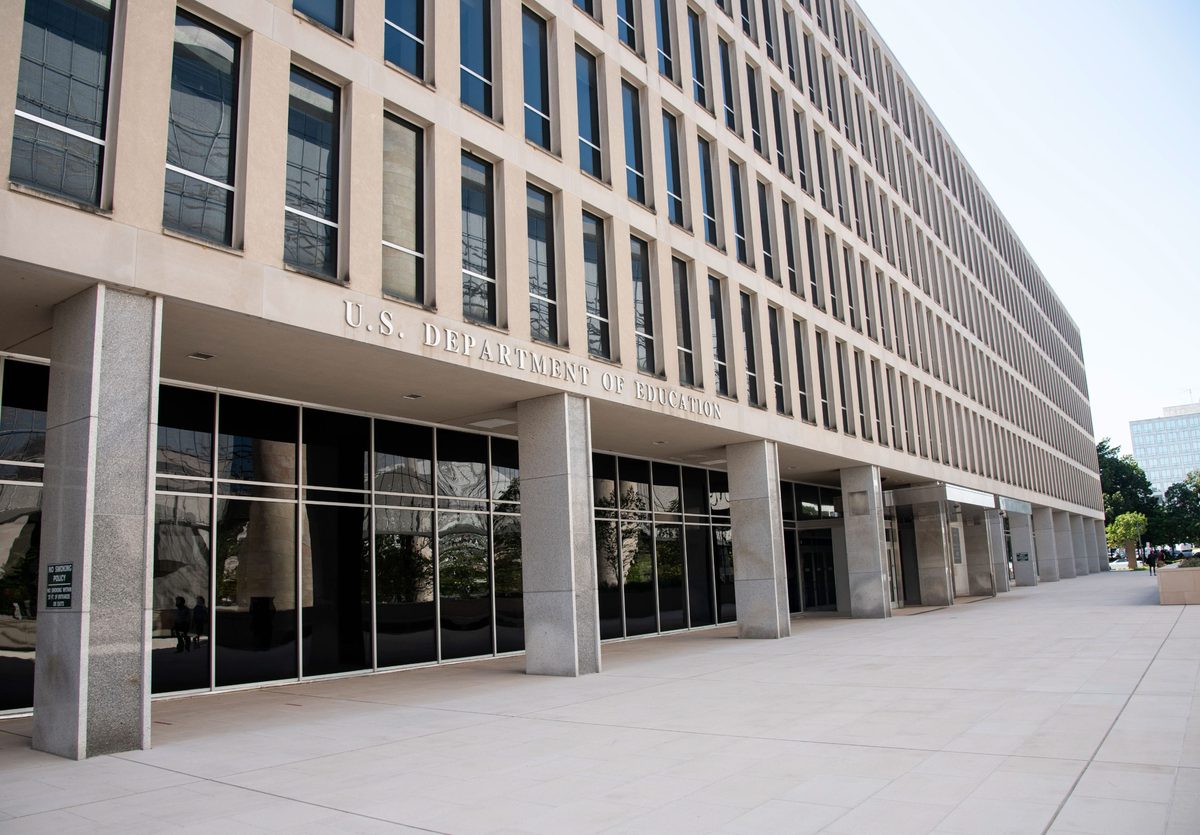
Kelly Rogers, the Deputy Assistant Secretary/Acting Assistant Secretary for the Office of Special Education and Rehabilitative Services (OSERS) within the federal Education Department, has announced her abrupt resignation. The move comes at a particularly turbulent time for the department, which is undergoing significant restructuring and downsizing efforts.
Key Details
- Kelly Rogers informed her staff on Wednesday of her decision to resign from her position overseeing special education.
- Her resignation is effective September 11, 2026, and she stated her intention to return to her home in Florida.
- The announcement preceded a planned relocation of a significant portion of her staff to the Department of Health and Human Services (HHS) building, a move that has raised concerns among employees and disability advocates.
- Rogers expressed confidence in her team's ability to continue their work through the partnership with HHS, aiming for strengthened outcomes for individuals with disabilities.
- The Education Department, through Press Secretary Savannah Newhouse, confirmed Rogers' departure, citing her move to take on a new opportunity and be closer to family.
Background
Rogers had been leading OSERS since May. Her tenure, though relatively brief, was marked by the administration's broader agenda of departmental reorganization. The relocation of special education functions to HHS is part of a larger strategy by the Trump administration, which some interpret as an effort to dismantle or significantly reduce the scope of the Education Department. This strategic shift has generated considerable unease within the department and among external stakeholders.
Impact Analysis
The sudden resignation of a key leader like Kelly Rogers, particularly during a period of significant operational change and potential downsizing, raises questions about the stability and future direction of special education services at the federal level. Employees, who requested anonymity due to not being authorized to speak publicly, expressed shock at the timing of her departure. This sentiment suggests a potential lack of clear leadership or a divergence of opinion on the department's restructuring path. The move of staff and functions to HHS, while presented as a partnership, has been widely condemned by disability rights advocates, who fear it could dilute the focus on special education or create bureaucratic hurdles.
“While I am stepping away, I remain confident in the team's ability to continue moving forward with strengthened outcomes for individuals with disabilities through the HHS partnership.”
This quote from Rogers reflects an optimistic outlook on the transition, emphasizing continuity and the potential benefits of inter-agency collaboration. However, the underlying concerns about the disruption to established processes and the potential impact on the individuals served by these programs remain significant.
Broader Context
The reorganization within the Education Department is occurring against a backdrop of broader federal efforts to streamline government operations and, in some cases, reduce the footprint of certain agencies. The specific focus on special education and its integration with HHS signals a potential shift in how disability services are managed and funded at the federal level. Disability rights organizations have historically advocated for robust, dedicated support for special education, and any perceived weakening of this structure is met with significant resistance. The administration's actions are viewed by some as an attempt to consolidate or reallocate resources, while others see it as a move that could jeopardize the specialized expertise and advocacy crucial for students with disabilities.
Future Outlook
The departure of Kelly Rogers leaves a leadership void at a critical juncture. The success of the transition to HHS will depend heavily on the clarity of the new organizational structure, the commitment of resources, and the continued advocacy from within and outside the government. The long-term impact on the quality and accessibility of special education services remains uncertain. Continued scrutiny from disability advocates and the public will be essential to ensure that the needs of students with disabilities are not compromised during this period of change. The effectiveness of the HHS partnership will be a key indicator of the administration's commitment to these vital services.
Conclusion
Kelly Rogers' resignation from her leadership role in special education at the Education Department marks a significant moment amid ongoing departmental upheaval. Her departure, coupled with the controversial relocation of staff to HHS, underscores the challenges and uncertainties facing special education services. While Rogers expressed confidence in the team's future, the broader implications for students with disabilities and the integrity of federal special education oversight require careful monitoring and sustained advocacy.
Source: npr.org