BofA Analyst Predicts Soft Oil Price Decline Amid Rising Inventories and Shifting Energy Demand
BofA Analyst Predicts Soft Oil Price Decline Amid Rising Inventories and Shifting Energy Demand
Introduction
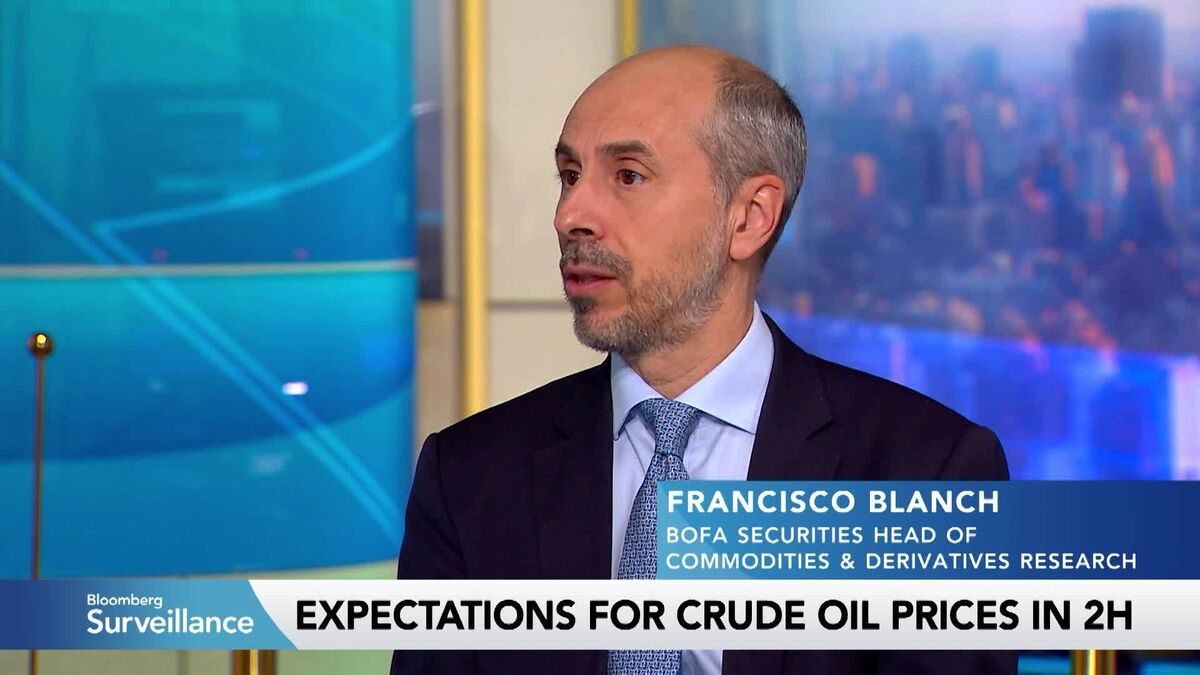
In a recent analysis, Francisco Blanch, head of commodities and derivatives research at Bank of America Securities, projected a period of declining oil prices in the second half of 2024. While emphasizing that a market crash is unlikely, Blanch attributes this soft downturn to growing global oil inventories, moderated demand growth, and structural shifts in energy consumption. His outlook reflects broader trends in the commodities market, where supply resilience, geopolitical stability, and the accelerating energy transition are converging to reshape expectations. This assessment comes at a time when global markets remain sensitive to inflation signals, central bank policies, and climate-driven energy reforms.
Key Details
Blanch’s forecast centers on several interconnected factors that suggest a bearish tilt for crude oil prices in the coming months:
- Expanding oil inventories in the U.S. and parts of Asia are signaling weaker-than-expected demand, limiting upward pressure on prices.
- Resilient non-OPEC production, particularly from U.S. shale operators, continues to offset supply cuts by OPEC+.
- Slower global economic growth in key regions like Europe and China is dampening industrial energy consumption.
- Increased investment in renewable energy and grid infrastructure is shifting long-term demand patterns away from fossil fuels.
- Blanch also highlighted a surge in U.S. electricity demand, driven by data centers, artificial intelligence operations, and industrial electrification, which could reinforce the transition to cleaner power sources.
- On gold, he maintains a bullish long-term outlook, citing central bank buying, inflation hedging, and geopolitical uncertainty as key drivers.
Background
The oil market has experienced significant volatility since 2020, swinging from negative prices during the pandemic to multi-year highs following Russia’s invasion of Ukraine in 2022. Since then, prices have gradually retreated as strategic petroleum reserves were released, and alternative supply sources filled gaps left by sanctions on Russian exports. OPEC+ has responded with periodic production cuts, but their influence has waned as U.S. output reaches record levels. In May 2024, American crude production surpassed 13 million barrels per day, reducing import dependence and increasing global supply flexibility.
Meanwhile, inventories have been on the rise. The U.S. Energy Information Administration (EIA) reported that commercial crude stocks increased for five consecutive weeks, reaching levels not seen since late 2022. This buildup suggests that refiners are not processing oil at a pace matching production, partly due to seasonal maintenance and weaker global refining margins.
Analysis
Blanch’s view of a 'soft landing' for oil prices—down but not collapsing—reflects a maturing market dynamic. Unlike past cycles driven by acute supply shocks or demand surges, today’s market is being shaped by incremental trends: energy diversification, technological innovation, and macroeconomic moderation. The absence of major geopolitical flare-ups in key oil regions has further reduced risk premiums embedded in prices.
The growing demand for electricity, especially in the U.S., adds a layer of complexity. Data centers, essential for cloud computing and AI, now consume more power than some small countries. This surge is not directly increasing oil demand—most U.S. electricity comes from natural gas, nuclear, and renewables—but it underscores the structural shift toward electrification, which could eventually reduce reliance on petroleum products.
Moreover, gold’s resilience as a safe-haven asset contrasts with oil’s commodity-cycle sensitivity. With central banks, especially in emerging markets, accumulating gold reserves and inflation expectations remaining elevated, Blanch’s positive gold outlook aligns with broader macroeconomic narratives of de-dollarization and financial system diversification.
Conclusion
Francisco Blanch’s forecast offers a measured perspective on the evolving commodities landscape. While oil prices may ease in the second half of 2024, the decline is expected to be orderly, supported by balanced supply-demand fundamentals. The rise in inventories, resilient non-OPEC production, and shifting energy priorities all point to a market adjusting to a new normal. At the same time, increasing electricity demand and sustained interest in gold highlight the dual pressures of technological advancement and macroeconomic uncertainty. Investors and policymakers alike should prepare for a commodities era defined more by gradual transformation than sudden shocks.