ChatGPT's New Virtual Try-On Excels at Basics, Stumbles on Complex Costumes
Introduction
OpenAI has launched new shopping features for ChatGPT, introducing a virtual try-on function that allows users to see how clothing and accessories might look on them. This innovative tool aims to revolutionize online shopping by providing a more personalized and interactive experience. However, as with many emerging AI technologies, its capabilities have limitations. A recent test revealed that while the feature excels at rendering simple items with impressive realism, it falters when faced with more complex or imaginative requests, such as elaborate costumes or specific historical fashion pieces.
Key Details
- The new feature, powered by OpenAI's ChatGPT Images 2.5 model, enables users to upload a photo and virtually try on selected products.
- It can also identify and suggest similar items for purchase based on uploaded images of outfits or celebrity styles.
- The AI demonstrated high accuracy and realism when testing simple accessories like necklaces and everyday outfits.
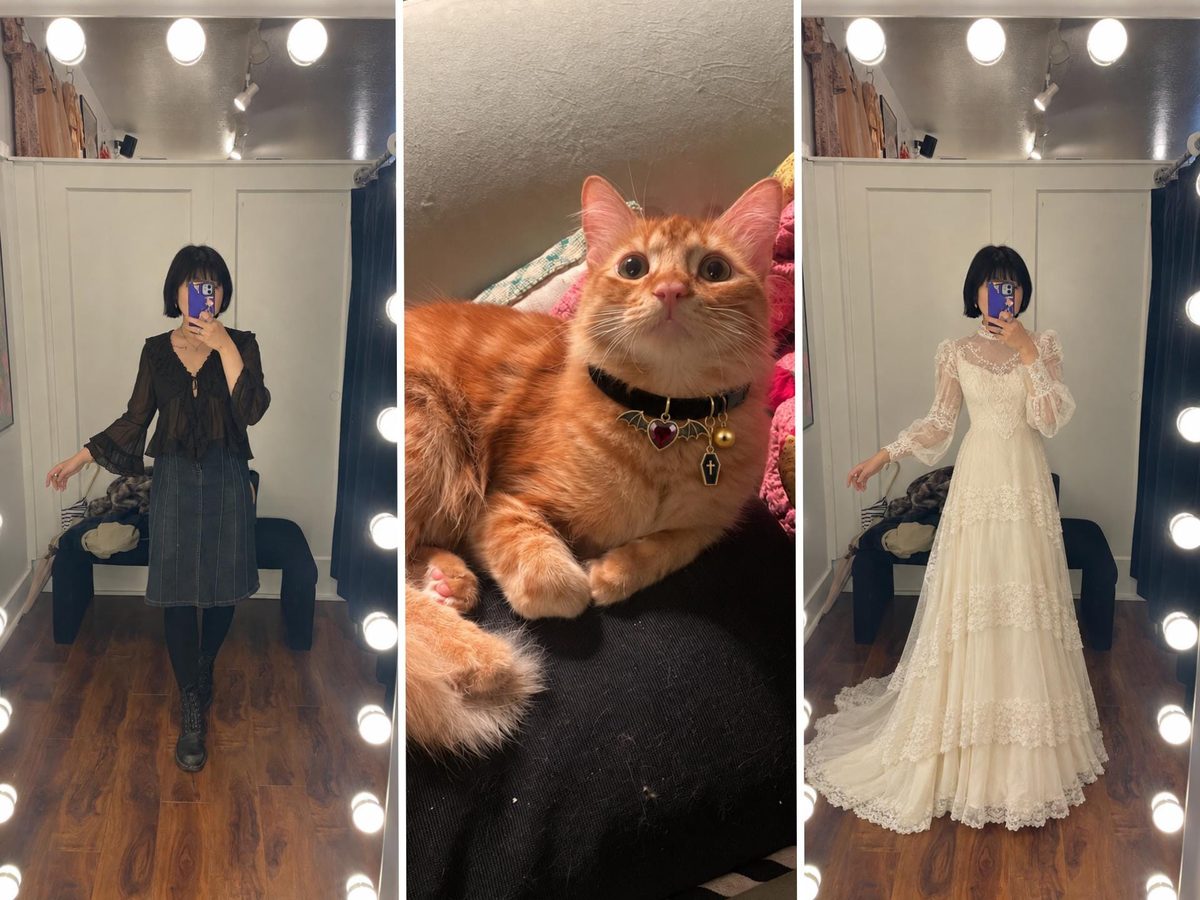
- Complex items, including a vintage-inspired wedding dress and a Halloween fairy costume, resulted in inaccurate renderings and distorted body proportions.
- The AI successfully rendered a Halloween-themed collar on a pet cat, showcasing versatility beyond human models.
Background
OpenAI's foray into e-commerce integration with ChatGPT marks a significant step in leveraging AI for practical consumer applications. The virtual try-on functionality is designed to bridge the gap between online browsing and the physical fitting room experience. By utilizing advanced image generation models, the aim is to provide users with a realistic preview of how garments and accessories would appear on their own bodies. This technology could potentially reduce return rates for online retailers and enhance customer confidence in purchasing decisions. The underlying model, ChatGPT Images 2.5, is touted for its improved capabilities in handling lighting and textures, crucial for realistic visual representation.
Impact Analysis
For everyday fashion and accessories, ChatGPT's virtual try-on appears to be a game-changer. The realistic rendering of jewelry and simple outfits suggests a strong potential for practical use in online shopping. Users could gain a much clearer idea of fit and style without the need for physical try-ons, especially for items where precise fit is less critical or where the AI can accurately interpret the product's drape and form. This could streamline the shopping process and lead to more satisfying purchases. However, the significant shortcomings with more complex items highlight the current limitations of AI in understanding nuanced design elements, historical accuracy, and creative interpretation. The distortion of body proportions, particularly in the case of the wedding dress and Halloween costume, raises concerns about the AI's ability to accurately represent garments on diverse body types and its potential to create unrealistic expectations.
“The AI began to 'upgrade' my body so the dress would look more flattering, giving me exceedingly long legs.”
Broader Context
The development of AI-powered shopping tools like ChatGPT's virtual try-on fits into a larger trend of integrating artificial intelligence into various aspects of daily life. As AI models become more sophisticated, their applications are expanding beyond chatbots and data analysis into creative and consumer-facing domains. This technology competes with and complements existing virtual try-on solutions offered by various fashion retailers. The success of such tools hinges on their ability to provide accurate, reliable, and aesthetically pleasing results. While AI can process vast amounts of data to identify patterns and generate images, it currently lacks the human understanding of style, context, and the subtle nuances that make fashion personal and expressive. The ability to accurately dress a pet, however, points to the AI's flexibility in applying its image manipulation skills across different subjects.
Future Outlook
The future of AI in fashion retail looks promising, with potential for continuous improvement in virtual try-on technology. As AI models evolve, we can expect enhanced accuracy in rendering complex designs, better understanding of fabric textures and drapes, and more sophisticated handling of body proportions. Future iterations might incorporate user-specific body measurements for even greater precision. The ability to accurately visualize intricate details, historical styles, or even custom-designed outfits could become commonplace. Furthermore, the integration of AI with augmented reality (AR) could offer even more immersive virtual try-on experiences. However, the ethical considerations surrounding body image and AI-generated representations will need careful attention as the technology advances.
Conclusion
ChatGPT's new virtual try-on feature represents a significant advancement in AI-driven e-commerce, offering a glimpse into the future of online shopping. Its proficiency with everyday items and accessories is commendable, providing a realistic and convenient way for consumers to visualize potential purchases. Nevertheless, the technology is not yet a perfect substitute for human judgment or traditional fitting rooms, especially when dealing with complex garments or specific aesthetic requirements. The discrepancies observed in trying on a wedding dress and a Halloween costume underscore the need for further development to ensure accuracy and avoid misrepresentation. While the tool shows promise, users are advised to cross-reference AI renderings with actual product details and measurements, particularly for intricate or high-stakes purchases. The successful application on a pet, however, adds a unique and potentially delightful dimension to its capabilities.
Source: businessinsider.com