Cutwater Spirits Nears $1 Billion Valuation by Defying Non-Alcoholic Trend
Introduction
In a beverage market increasingly leaning towards moderation and non-alcoholic options, Cutwater Spirits is carving out a unique and highly successful niche. The ready-to-drink canned cocktail brand is rapidly approaching a monumental milestone: $1 billion in annual sales. This remarkable trajectory positions Cutwater not only as a major player in the spirits industry but also as a significant growth engine for its parent company, Anheuser-Busch InBev (AB InBev). The brand’s success story is particularly noteworthy given the broader context of declining alcohol consumption in the United States.
Key Details
- Brand Trajectory: Cutwater is nearing $1 billion in annual sales, a significant achievement for a brand that was virtually non-existent just six to seven years ago.
- AB InBev Contribution: In the second quarter of the current year, Cutwater became the second-largest contributor to overall revenue growth for AB InBev, the world's largest brewer.
- Market Position: According to AB InBev CEO Michel Doukeris, Cutwater is the “number one share gaining brand” in the entire spirits industry and is now among the top six or seven largest brands overall in the U.S. spirits market.
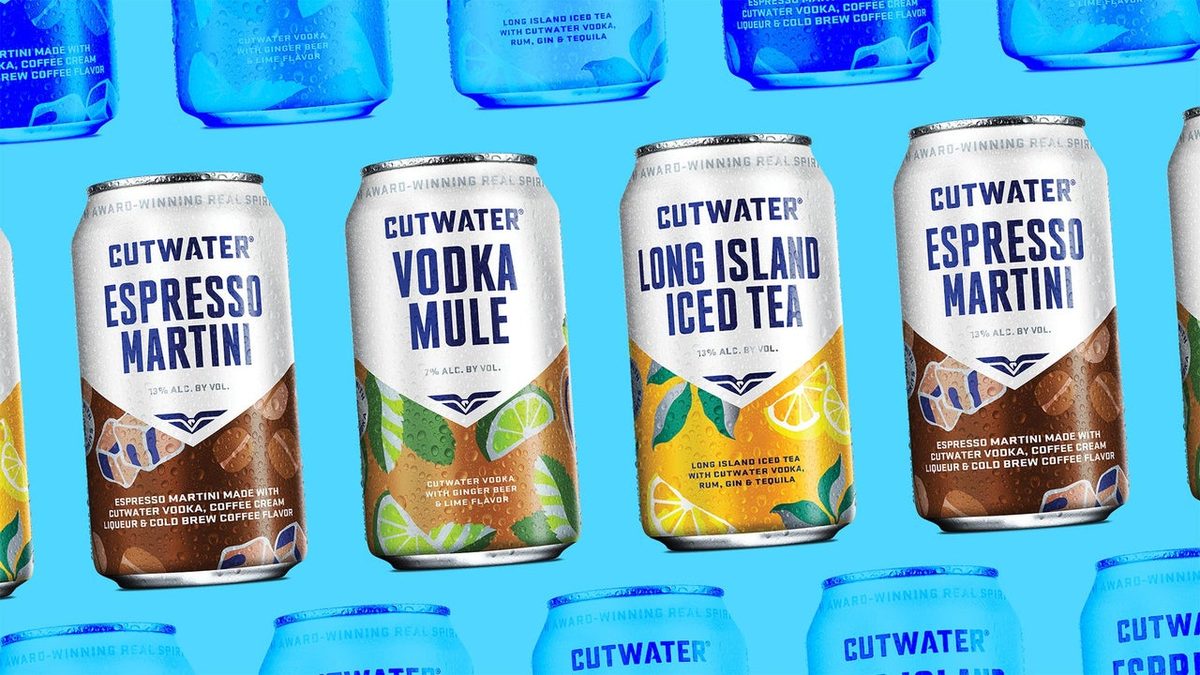
- Product Offering: Cutwater offers a diverse range of canned cocktails, featuring vodka, tequila, whiskey, gin, and rum, with approximately two dozen different flavors.
- Alcohol Content: Each 12-ounce can contains a substantial amount of alcohol, typically ranging from 7 to 13 percent ABV, with most flavors exceeding 10 percent. This is significantly higher than many mainstream alcoholic beverages.
- Origin Story: The brand originated as a side project of Yuseff Cherney, co-founder and head brewer at Ballast Point Brewing, who began distilling spirits in 2007. The venture spun off as Ballast Point Spirits, later rebranded as Cutwater Spirits in 2016 after the beer brand was sold. AB InBev acquired the ready-to-drink brand in 2019.
Background
The genesis of Cutwater Spirits lies in the innovative spirit of Yuseff Cherney. Starting in 2007 at Ballast Point Brewing in San Diego, Cherney began experimenting with distilling various spirits in an old beer fermenter. This passion project evolved into Ballast Point Spirits. When the parent brewing company, Ballast Point, was acquired by Constellation Brands for $1 billion in 2015, the spirits division was positioned for its own growth. The following year, the canned cocktail line was rebranded as Cutwater Spirits, and in 2019, the ready-to-drink segment was acquired by beverage giant Anheuser-Busch InBev.
Impact Analysis
Cutwater’s ascent is particularly striking in an era characterized by a growing consumer interest in health and wellness, leading to a surge in non-alcoholic beers and mocktail options. Instead of conforming to this trend, Cutwater has embraced the opposite approach, marketing potent alcoholic beverages. The brand’s core proposition is its high alcohol content, with each can explicitly stating it contains “2+ shots of real spirits.” This overt booziness, with alcohol levels often exceeding 10 percent ABV, has become a defining characteristic, even a subject of viral social media commentary. Videos on platforms like TikTok have humorously highlighted the potent effects of consuming just a couple of Cutwater cans, with some users documenting significant increases in blood alcohol content. This “vibe,” as described in the original reporting, appears to resonate strongly with a segment of consumers seeking a more robust drinking experience.
“We were the fastest growing company in spirits because of the performance of Cutwater,” said Michel Doukeris, the CEO of AB InBev. “This brand was inexistent six, seven years ago and is moving towards becoming a $1 billion brand and is the fastest growing brand in the spirits industry in the U.S.”
Broader Context
The success of Cutwater provides a fascinating counterpoint to broader trends in the alcohol industry. While many established brands and emerging players are focusing on low-ABV or non-alcoholic alternatives to cater to health-conscious consumers and changing social norms, Cutwater demonstrates that there remains a significant market for traditional, high-proof alcoholic beverages. AB InBev’s strategic acquisition and subsequent investment in Cutwater highlight the company's recognition of this diverse market demand. The brand’s rapid growth suggests that even amidst a general decline in alcohol consumption, specific segments, particularly those offering convenience and potent, flavorful experiences, can thrive.
Future Outlook
As Cutwater approaches the $1 billion sales mark, its future appears robust. Its strong performance within AB InBev’s portfolio indicates continued support and investment from the parent company. The brand's ability to capture market share in the spirits industry, despite its relatively short history and unconventional strategy, suggests potential for further expansion. Cutwater’s success may also influence other beverage companies, potentially leading to a re-evaluation of strategies that solely focus on the non-alcoholic trend. The brand's potent appeal could continue to capture consumers seeking a distinct and powerful drinking experience, solidifying its position as a category leader.
Conclusion
Cutwater Spirits has defied expectations and industry trends to become a rapidly growing force in the beverage alcohol market. By leaning into high-alcohol content and convenience, the brand has successfully captured a significant market share and is poised to cross the $1 billion sales threshold. Its journey from a small distilling experiment to a major AB InBev brand underscores the diverse and evolving nature of consumer preferences. Cutwater’s success serves as a compelling case study in strategic differentiation, proving that in a crowded market, sometimes doing the opposite of everyone else can lead to extraordinary results.
Source: fastcompany.com