UBS Strategist Warns Against Overly Optimistic Earnings Projections Amid Economic Uncertainty
UBS Strategist Warns Against Overly Optimistic Earnings Projections Amid Economic Uncertainty
Introduction
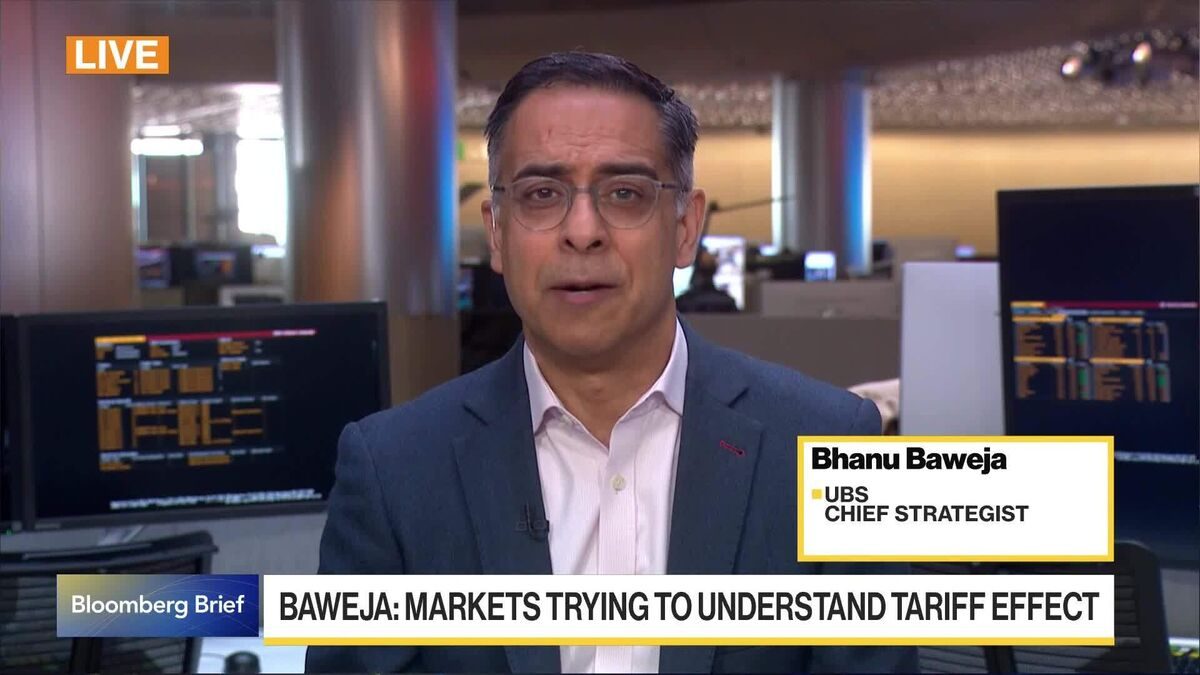
In a recent statement, Bhanu Baweja, the chief strategist at UBS, expressed concern over the current market sentiment regarding earnings expectations in the US. Baweja pointed out that the prevailing optimism among investors appears detached from the economic realities, especially in light of ongoing trade tensions and tariff implications. This perspective challenges the overarching narrative of a robust economic renaissance that many market participants seem to be banking on.
Key Details
- Investor Sentiment: The market sentiment has been largely optimistic, with many investors anticipating a significant recovery in the US economy.
- Tariff Impacts: Baweja emphasized that there is a lack of clear catalysts that would drive this expected economic recovery, particularly in relation to the ongoing trade tariffs.
- Complacency Risks: He warned that investor complacency could lead to significant market corrections if the anticipated growth fails to materialize.
- Market Projections: Analysts have been revising their earnings forecasts, but Baweja cautioned that these adjustments might not fully account for the potential risks associated with current economic conditions.
- UBS’s Position: UBS remains cautious about the economic outlook, advocating for a more measured approach to earnings expectations.
Background
The US economy has shown signs of resilience in the face of global challenges, including inflationary pressures and supply chain disruptions. However, the implications of trade tariffs, primarily those imposed by the US on imports from key trading partners, have led to a complicated economic landscape. Tariffs are intended to protect domestic industries but often result in higher consumer prices and retaliatory measures from trading partners.
Investor sentiment has been bolstered by government stimulus measures and a strong labor market. Yet, Baweja argues that this optimism does not sufficiently account for the structural challenges that could hinder sustained growth. The narrative of an economic renaissance may be more of a wishful thinking rather than a grounded expectation, according to UBS’s analysis.
Analysis
Baweja's comments shed light on a critical disconnect between market expectations and economic fundamentals. The widespread belief in a rapid recovery might ignore several underlying issues, including the potential for escalating trade tensions and their repercussions on corporate profitability. With earnings season approaching, companies may face challenges in meeting inflated expectations set by optimistic forecasts.
This phenomenon of investor complacency could lead to a scenario where markets are primed for disappointment. If actual earnings fall short of the optimistic projections, a correction could ensue, impacting not just individual stocks but the broader market as well. A shift in sentiment could be triggered by negative economic indicators or further developments in trade negotiations.
Moreover, while the Federal Reserve's monetary policy has aimed to support growth, continued low interest rates do not guarantee that businesses will thrive in a challenging economic environment. Companies may struggle to pass on increased costs to consumers, leading to squeezed margins and lower earnings. This situation raises questions about the sustainability of the current market rally.
Conclusion
In conclusion, Bhanu Baweja's insights from UBS serve as a timely reminder for investors to remain cautious amid a climate of heightened optimism. The potential for disillusionment exists, particularly if the economic conditions do not align with market expectations. As trade issues and economic uncertainties loom, a reevaluation of earnings projections may be necessary. Investors are advised to adopt a more prudent approach, weighing the risks carefully against the backdrop of a complicated economic landscape.