BlackRock Executive Highlights European Earnings Resilience Amid Tariff Concerns
Introduction
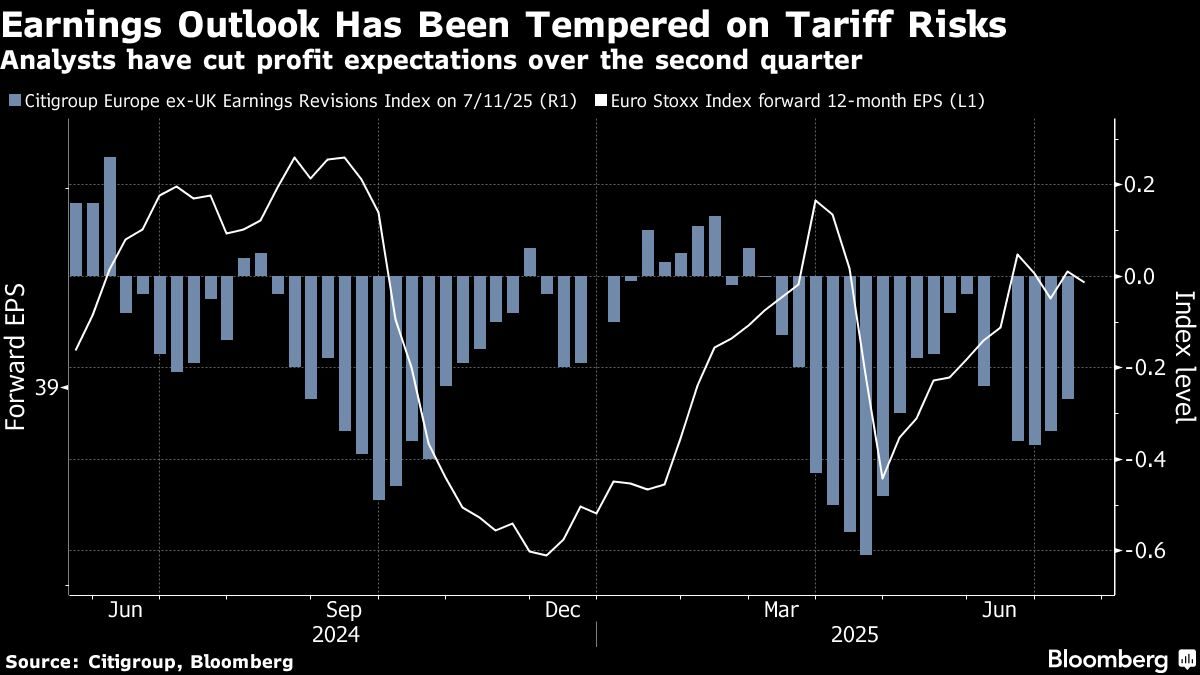
The global economy remains deeply intertwined, with trade policies playing a pivotal role in shaping market outcomes. Helen Jewell, a senior investment strategist at BlackRock Inc., recently provided insights into the European earnings landscape amid ongoing concerns over tariff impositions and trade tensions. Jewell emphasized that current earnings projections for European companies already factor in the risks associated with tariffs, suggesting that the market's recent rally could persist unless a significant trade shock materializes.
Key Details
- Tariff Risks Factored In: European earnings forecasts incorporate potential impacts from existing and prospective tariffs.
- Market Rally Outlook: The positive momentum in European equities may continue if no new substantial trade disputes emerge.
- Investor Sentiment: Confidence remains cautiously optimistic, balancing risks against opportunities.
Background
In recent years, escalating trade tensions—particularly between major economies such as the United States, China, and the European Union—have introduced volatility into global financial markets. Tariffs and retaliatory trade barriers have threatened profit margins and supply chains across various sectors. European companies, with their extensive international exposure, are especially sensitive to these developments. Consequently, analysts and investors closely monitor tariff developments to gauge potential earnings impacts.
BlackRock, as one of the world’s largest asset managers, has significant influence through its market analyses and investment strategies. Helen Jewell’s commentary reflects a broader effort to assess how uncertainties related to trade policy are priced into current valuations and earnings expectations in the European market.
Analysis
Jewell’s assertion that earnings are already pricing in tariff risks is significant because it implies a level of market maturity and rationality in assessing geopolitical threats. This viewpoint contrasts with periods of excessive market pessimism or complacency, where risks may be either overstated or ignored. By acknowledging that tariff concerns are embedded in valuations, investors may feel reassured that current prices reflect a realistic assessment of downside risks.
Moreover, Jewell’s expectation that the rally will continue absent a trade shock underscores the importance of stability in trade relations for sustained market growth. Should trade tensions ease or be resolved, European companies could benefit from increased demand and reduced cost pressures, potentially supporting stronger earnings growth. Conversely, any escalation could quickly disrupt this optimism, leading to market corrections.
It is also noteworthy that Jewell’s comments suggest a nuanced understanding of the complex trade environment. While tariffs present challenges, they are not seen as insurmountable obstacles but rather as factors that markets and companies have learned to navigate. This measured perspective helps anchor investor expectations and can contribute to more stable financial markets.
Conclusion
In summary, Helen Jewell’s insights from BlackRock shed light on the cautious optimism prevailing in European markets amid tariff uncertainties. Earnings forecasts appear to realistically account for trade risks, which supports the continuation of the recent equity rally in the absence of fresh disruptive events. As global trade dynamics continue to evolve, monitoring these developments will remain critical for investors seeking to balance risk and opportunity within European equities.