Brazil's Attorney General Calls for Investigation into Insider Trading Allegations Linked to U.S. Tariff Decisions
Introduction
Brazil's Attorney General has taken a significant step by requesting an official investigation into allegations of insider trading related to recent adjustments in U.S. tariffs. This move underscores growing anxieties about the integrity of global financial markets amid geopolitical tensions, particularly in trade policy between major economic powers such as the United States and Brazil.
Key Details
- The request to investigate was prompted by suspected unusual trading activity ahead of public announcements regarding U.S. tariffs.
- Such insider trading, if proven, could indicate misuse of confidential information connected to tariff decisions affecting commodities and goods important to Brazil's economy.
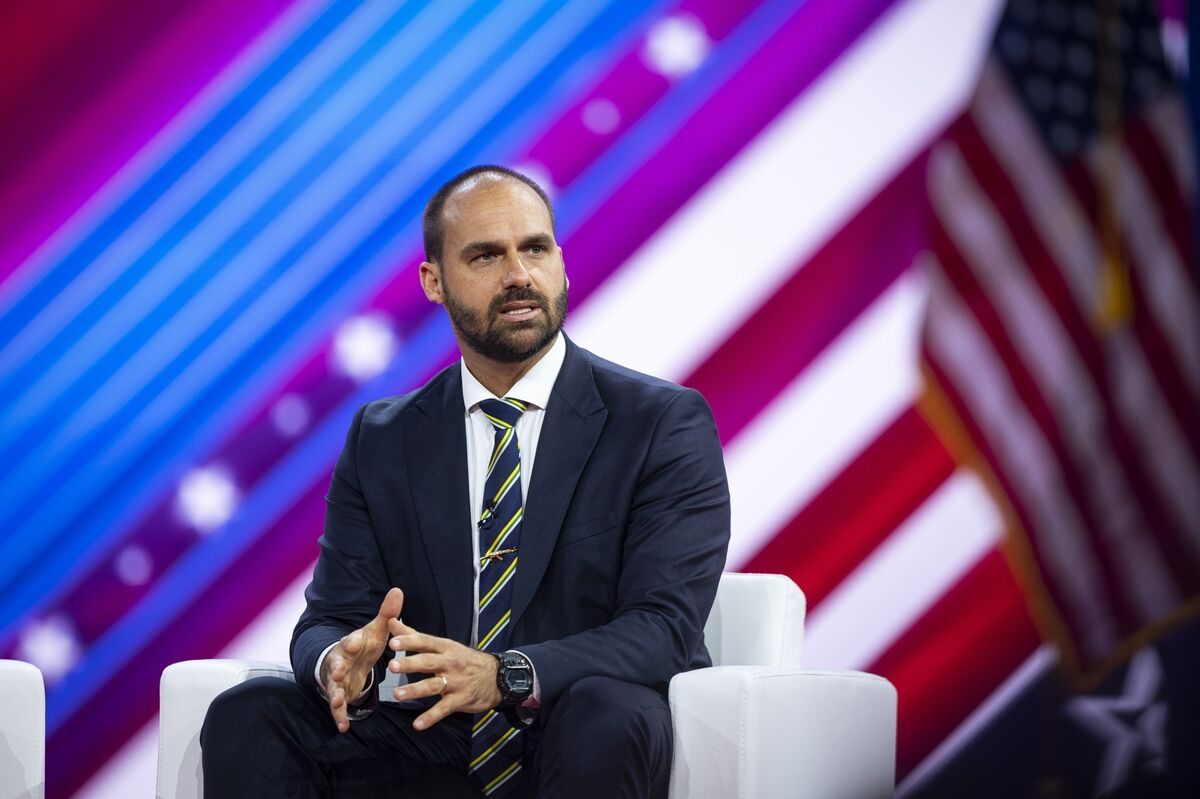
- Congressman Eduardo Bolsonaro, a prominent Brazilian political figure, has been indirectly linked to recent discussions on trade policy, heightening domestic interest in transparency.
- The investigation aims to ensure fair market practices and maintain investor confidence, particularly in Brazil’s financial and commodity markets which are sensitive to U.S. trade policy.
Background
Insider trading refers to the buying or selling of securities based on material, non-public information, and it is illegal in most jurisdictions. The U.S. periodically adjusts tariffs as part of its economic strategy to protect domestic industries or respond to unfair trade practices, impacting global markets. Tariffs can sway prices of key commodities such as steel, aluminum, and agricultural products, many of which Brazil exports extensively. Recent tariff changes under the current U.S. administration have drawn mixed reactions, affecting bilateral trade relations.
Brazil, as an emerging market heavily linked to commodity exports, is particularly vulnerable to such policies. Unfair or undisclosed advantages stemming from insider knowledge could disrupt fair competition, appeal to speculation, and hurt ordinary investors and producers alike.
Analysis
The Attorney General's call for an investigation reflects a broader global concern about preserving transparency and trust in financial markets amid rising protectionism and geopolitical frictions. Insider trading allegations in the context of tariff announcements are especially sensitive because tariffs are public policy decisions often influenced by diplomatic and economic negotiations. If insider information leaks to select traders or political affiliates, it undermines market fairness and could distort price signals.
Eduardo Bolsonaro, son of Brazil’s President Jair Bolsonaro and a conservative politician himself, has gained international visibility due to his frequent visits to U.S. political events and his vocal support for conservative policies. While there is no direct accusation against him, his proximity to political and trade discussions has resulted in increased media scrutiny. The Brazilian government’s proactive stance on investigating these allegations demonstrates an awareness of reputational risks and a commitment to uphold market integrity.
Furthermore, this development may influence Brazil’s diplomatic engagement with the United States, potentially prompting more cautious trade communication and signaling Brazil's demand for transparency and fairness in trade relations.
Conclusion
The initiation of an insider trading probe related to U.S. tariffs by Brazil's Attorney General marks an important intersection of international trade policy, financial regulation, and political accountability. It highlights the challenges faced by emerging markets in navigating complex global economic environments and the importance of safeguarding market integrity. The outcome of this investigation could have significant repercussions for Brazil’s financial markets and its diplomatic rapport with the U.S., emphasizing the critical role of transparency in global trade relations.