USS Abraham Lincoln Deployment: Nine Months at Sea, Mental Health Strain, and Leadership Messaging
Introduction
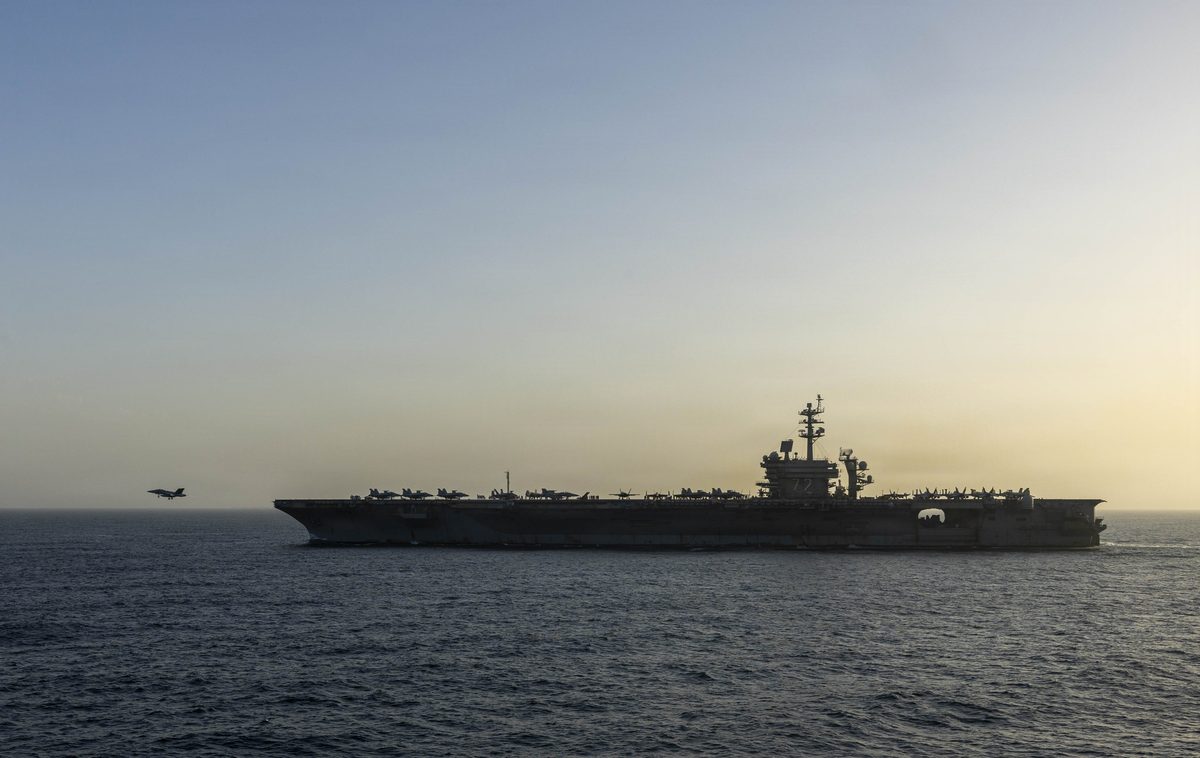
The USS Abraham Lincoln, a U.S. Navy aircraft carrier, has concluded a grueling nine-month deployment at sea, participating in operations related to the conflict with Iran. This extended period away from home has brought to the forefront critical questions about the mental well-being of the approximately 5,000 sailors and Marines aboard. Reports have surfaced regarding deteriorating conditions and the mental health of the crew, though the Navy has stated that a small number of mental health cases were treated without loss of life.
Key Details
- The USS Abraham Lincoln's deployment lasted nine months, significantly longer than typical deployments.
- The ship carried approximately 5,000 sailors and Marines.
- Reports indicated deteriorating mental health conditions among the crew, with unconfirmed accounts of incidents.
- Acting Secretary of the Navy Hung Cao acknowledged a "small number of mental health cases" were treated, with no fatalities.
- Experts highlight the cumulative effect of physical stressors, isolation, and communication failures from leadership.
Background
Life aboard an aircraft carrier like the USS Lincoln is often compared to living in a small, self-contained city. Armen Kurdian, a retired U.S. Navy captain who served on the carrier, describes the physical demands as immense. Young sailors, often in their late teens and early twenties, endure extreme heat and physically taxing labor, such as moving heavy equipment on the flight deck. The constant operational tempo, including aircraft launches and landings in challenging conditions—day or night, fair or foul weather—demands peak mental readiness, as the lives of pilots and crew depend on precise execution. Beyond the demanding work, the lack of personal space, with sailors sleeping in crowded berthing areas, adds to the daily strain. While these conditions are inherently difficult, experts emphasize that they can become untenable when compounded by uncertainty and a lack of clear communication.
Impact Analysis
The extended duration of the USS Lincoln's deployment, stretching to nine months from an original schedule ending in May, is a significant factor in the reported mental health challenges. Behavioral scientist Jack Stuster, who has studied human performance in isolated and confined environments, likens the situation to that of researchers in remote locations like Greenland or astronauts. He explains that telling individuals they have a fixed return date, only to delay it, can be profoundly damaging to morale and mental stability. The psychological impact of repeated postponements, especially after preparing for departure, can lead to significant emotional distress, including breakdown. Dr. Phillip Hunt, a former Navy physician with experience on submarine missions, corroborates this, noting that even under optimal conditions, a crew of 5,000 will inevitably have individuals experiencing anxiety and depression. However, he stresses that the lack of consistent and reassuring messaging from senior leadership exacerbates these issues. When operational conditions are perceived to be deteriorating and this is not acknowledged or addressed by those in command, it can foster anger, anxiety, and ultimately, mental exhaustion and depression among the crew.
“Denial of this unit's deteriorating operational conditions is highly detrimental to the crew's morale. The result can include anger, anxiety, or eventually mental exhaustion and depression.”
Broader Context
The situation aboard the USS Lincoln occurs against a backdrop of evolving discussions about mental health within the military. While the physical rigors of naval service have always been acknowledged, there is a growing recognition of the unique psychological pressures faced by service members, particularly during prolonged deployments. The comments from acting Secretary of the Navy Hung Cao, acknowledging some mental health cases but emphasizing no loss of life, reflect a delicate balance between addressing crew welfare and managing public perception. Conversely, statements from figures like former President Trump, who suggested the deployment was “not nearly long enough,” and Defense Secretary Pete Hegseth, who reportedly called reports of poor conditions “overstated,” highlight a potential disconnect between leadership perspectives and the lived experiences of deployed personnel. This disparity underscores the importance of leadership communication in maintaining morale and trust.
Future Outlook
The experiences of the USS Abraham Lincoln's crew serve as a critical case study for the U.S. Navy and other military branches. Moving forward, there will likely be increased scrutiny on deployment lengths, crew rotation policies, and the psychological support systems available to service members. The Navy's response to these reports, including any internal reviews or policy adjustments, will be closely watched. Experts advocate for more proactive and transparent communication strategies from leadership, especially during times of uncertainty or extended deployments. Ensuring that mental health resources are not only available but also accessible and destigmatized is paramount. The Navy's commitment to addressing the stressors identified—physical hardship, isolation, and leadership communication—will be key to safeguarding the mental well-being of its personnel in future operations.
Conclusion
The USS Abraham Lincoln's nine-month deployment underscores the profound impact that extended periods at sea, combined with inherent physical stressors and leadership communication, can have on the mental health of sailors and Marines. While the Navy has acknowledged mental health cases, the experiences of the crew, as interpreted by experts, point to a complex interplay of factors. The critical role of consistent, honest, and reassuring messaging from the highest levels of command cannot be overstated in mitigating the psychological toll of military service. As the USS Lincoln returns home, the focus shifts to how the Navy will learn from this deployment to better support the mental resilience and overall well-being of its service members in the future.
Source: npr.org