US Foreign Aid Overhaul: Transactional Approach Sparks Global Health Debate
Introduction
October 1 marked a significant shift in the United States' approach to foreign aid, particularly in global health. The Trump administration unveiled the "America First Global Health Strategy," a policy that redefines how the U.S. funds healthcare initiatives in low- and middle-income countries. This new era moves away from traditional aid models, emphasizing concrete benefits for the U.S. and requiring recipient nations to contribute financially to their own health programs. The strategy aims to foster self-reliance but has sparked debate about its rapid implementation and potential consequences.
Key Details
- New Strategy: The "America First Global Health Strategy" requires countries seeking U.S. health funding to sign a Memorandum of Understanding (MOU).
- Co-investment: MOUs detail U.S. investment amounts and require a financial pledge from the recipient government.
- Benefits for U.S.: Potential benefits include preferential access to critical minerals and direct access to patient data for outbreak detection.
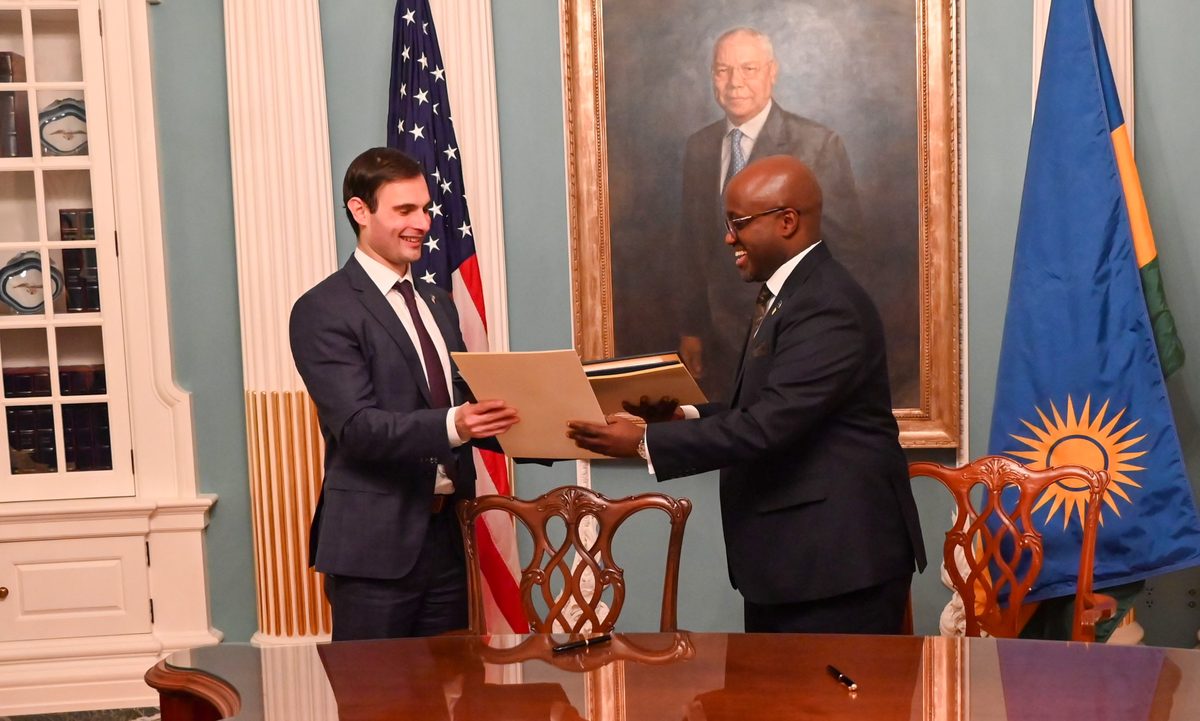
- Participants: 35 countries have signed MOUs, committing around $14 billion over five years. Examples include Rwanda ($157 million from U.S., $70 million from Rwanda).
- Refusals: Ghana, Namibia, and Zimbabwe have refused to sign, citing sovereignty concerns over data sharing and regulatory authority.
- Funding Cuts: The U.S. has stopped global health funding to Zimbabwe due to its refusal to sign the MOU.
Background
Historically, U.S. foreign aid, particularly in global health, has been viewed as a tool for building international relationships, exerting soft power, and fostering global goodwill. The largest donor in this sector, the U.S. previously operated under the principle that improved health and development worldwide ultimately benefit everyone, including the U.S. This approach, often described as a win-win scenario, focused on lifting all boats through shared prosperity and stability. However, the "America First" strategy introduces a more transactional perspective, seeking tangible returns for American taxpayers beyond the general improvement of global health outcomes.
Impact Analysis
The core of the new strategy lies in its transactional nature. The U.S. seeks explicit benefits, such as access to vital resources like critical minerals or sensitive patient data, which are seen as crucial for national security and economic interests. This shift is exemplified by the agreement with Rwanda, where U.S. funding is contingent on the nation sharing patient data and accepting U.S. FDA drug approvals during outbreaks. While proponents argue this fosters self-reliance and ensures a more equitable partnership, critics express concerns about the rapid pace of implementation and the potential for unintended consequences. Jocilyn Estes of the Center for Global Development notes that the scale and speed of this pivot are unprecedented, likening the process to “building the plane while flying it.” This rapid rollout could jeopardize the well-being of vulnerable populations if the new model fails.
“When it comes to public health, it does make sense to actually coordinate closely with governments, and countries should eventually run and pay for their own health systems. Yet, the scope and scale of this pivot is really unprecedented, and the pace that the administration wants to move seems pretty incompatible with the kind of careful planning required when the stakes are this high.”
Furthermore, a significant reduction in baseline funding compared to previous years poses a challenge. Countries with large at-risk populations, such as those vulnerable to HIV, may face severe consequences if the U.S. contribution is substantially less, even with co-investment. The economic strains faced by many recipient nations, exacerbated by global inflation and conflicts, make it difficult for them to increase their own healthcare spending to compensate for the shortfall in U.S. aid. The State Department defends the strategy, stating it aims to advance shared goals and build self-reliant health systems, moving away from “forever aid” towards long-term partnerships.
Broader Context
The "America First Global Health Strategy" is part of a broader trend in U.S. foreign policy under the Trump administration, which has often prioritized national interests and a more transactional approach to international relations. This strategy contrasts sharply with previous administrations' emphasis on multilateralism and shared global responsibility. The demand for access to critical minerals, for instance, aligns with U.S. efforts to secure supply chains for advanced technologies. The push for direct access to health data also reflects a growing emphasis on intelligence gathering and early warning systems for potential pandemics, framed as a national security imperative. The administration's actions, such as cutting off aid to Zimbabwe, signal a firm stance on enforcing its new terms, potentially reshaping diplomatic leverage in global health negotiations.
Future Outlook
The long-term success of the "America First Global Health Strategy" remains uncertain. The administration's willingness to follow through on funding cuts for non-compliant nations will be a key indicator. Experts like Tom Bollyky from the Council on Foreign Relations are observing whether countries that refuse to sign will indeed be entirely cut off. The ability of recipient countries to meet their co-investment commitments amidst economic challenges is another critical factor. If these nations struggle to increase their domestic health spending, the intended self-reliance may be undermined, leading to a decline in essential health services. The U.S. government, through the State Department, maintains that this approach represents a more sustainable model for global health partnerships, focusing on mutual benefit and reduced long-term dependency.
Conclusion
The "America First Global Health Strategy" represents a fundamental reorientation of U.S. foreign aid, shifting from a model of broad-based goodwill to one centered on reciprocal benefits and national interests. While the strategy aims to promote self-sufficiency in recipient countries and secure tangible advantages for the U.S., its rapid implementation and stringent requirements have raised concerns among global health experts and some partner nations. The coming months and years will reveal whether this transactional approach can effectively advance global health goals without compromising the well-being of vulnerable populations or straining international partnerships. The ultimate success will hinge on the delicate balance between U.S. national interests and the enduring need for robust, equitable global health cooperation.
Source: npr.org